On the morning of 23/2/2024, an apartment building in Nanjing caught fire, killing 15 people and injuring 44. Local authorities stated the fire originated from an electric motorcycle parking and charging area on the ground floor of the over 30-story building, which housed approximately 400 apartments. Charging safety regulations were not met, lacking firewalls and fire extinguishing equipment. The fire caused flames and smoke to spread rapidly throughout the building, leading to the disaster.
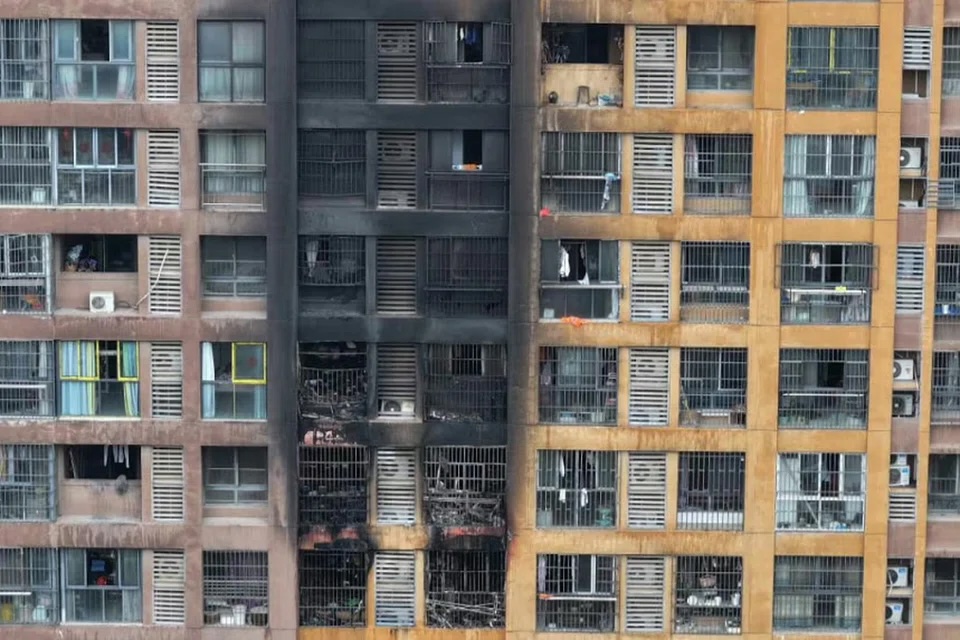 |
The apartment fire killed 15 people in Nanjing in 2/2024. Photo: Weibo
This tragedy, along with similar incidents, prompted authorities in Nanjing and other major cities to tighten regulations for parking and charging electric vehicles in apartment complexes. Many residential areas in large cities such as Beijing, Shanghai, Shenzhen, Hangzhou, and Chengdu have implemented strict measures. These include an absolute ban on bringing electric motorcycles into apartments, hallways, stairwells, and elevators, and prohibiting charging using household outlets inside buildings.
On the ground floor and in basements, typically designated for electric motorcycles, charging is only permitted if the area meets safety requirements. These include surveillance cameras, fire sensors, ventilation, and automatic power cut-off and fire extinguishing systems. For older buildings that do not meet these conditions, many localities require only parking, not charging. Alternatively, developers and management boards must arrange centralized charging areas in outdoor courtyards, semi-open parking garages, or functional zones completely separated from living spaces.
Additionally, many localities conduct regular inspections at apartment buildings. They seal off unauthorized outlets, dismantle electrical wires extended from apartments to the ground floor, fine violating residents, and confiscate non-standard charging equipment. Some buildings have even installed sensors in elevators, which automatically block operation upon detecting residents attempting to bring electric vehicles inside.
China promotes safe alternative solutions for electric motorcycle battery charging. Battery swap stations and smart charging cabinets are increasingly appearing in apartment courtyards, reducing the need to bring vehicles and batteries into residential areas. New housing projects must integrate charging infrastructure from the design phase, providing pre-wired power lines and standardized centralized charging zones. Cities with high electric motorcycle usage also aim to expand their public charging station networks to limit residents from self-charging in unsuitable spaces.
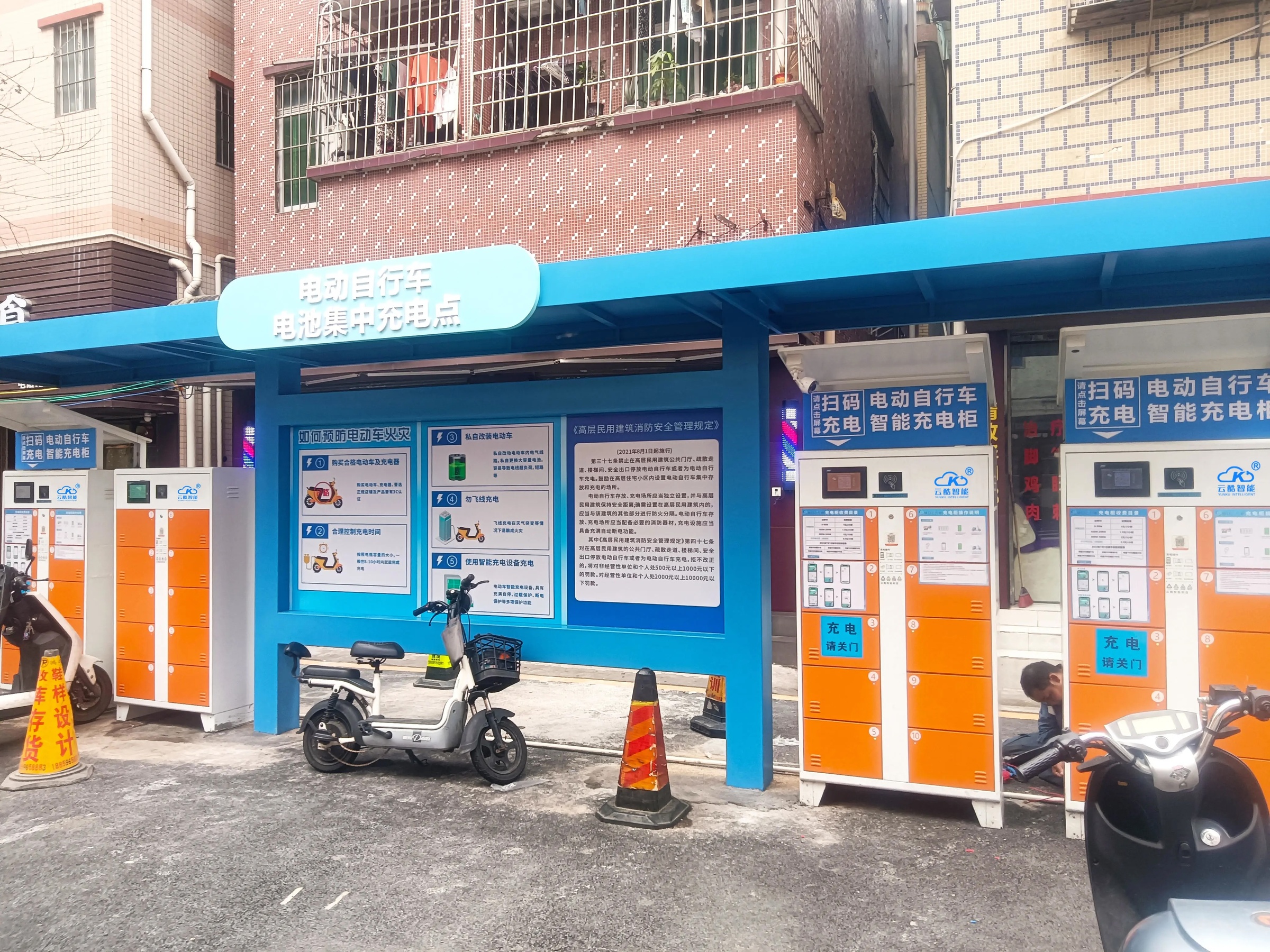 |
An electric motorcycle battery swap area in a residential complex in Guangzhou, separated from the building to reduce fire risk. Photo: Gzyunku
With a strict regulatory system and an approach that only permits vehicle charging in compliant and safe locations, China is gradually minimizing risks for apartment residents without completely banning electric vehicles. This is seen as a balanced measure between safety and residents' transportation needs.
Recently, the management board of HH Linh Dam apartment building in Hanoi announced a temporary suspension, moving towards a complete ban, on parking electric motorcycles in the basement from early 2026. According to the management board, the increasing number of electric vehicles means the basement no longer meets fire safety standards for battery-powered vehicles. However, many residents object, arguing that the decision goes against the trend of transitioning to clean transportation and disrupts daily life. Following feedback, Hoang Liet ward requested the management board not to arbitrarily refuse vehicle storage. They also mandated a survey and discussions with residents to find suitable technical solutions.
Ho Tan