Malaysia's first domestic electric vehicle (EV) was unveiled by Prime Minister Datuk Seri Anwar Ibrahim at the Ministry of Investment, Trade and Industry headquarters in Kuala Lumpur on 1/12.
Named the QV-E, an abbreviation for "Quest for Visionary Electric Vehicle", the car is priced at RM 80,000 (approximately USD 19,400). This price excludes the battery, which is offered through a Battery-as-a-Service (BaaS) rental model. The monthly subscription fee for the battery is RM 275 (USD 67).
For Perodua, an EV launch in 2025 was not even in the company's plans just a few years ago. Tasked by the Malaysian government to produce an electric vehicle and without support from Japan (Daihatsu owns a 20% stake), Perodua had to start from scratch in 8/2023.
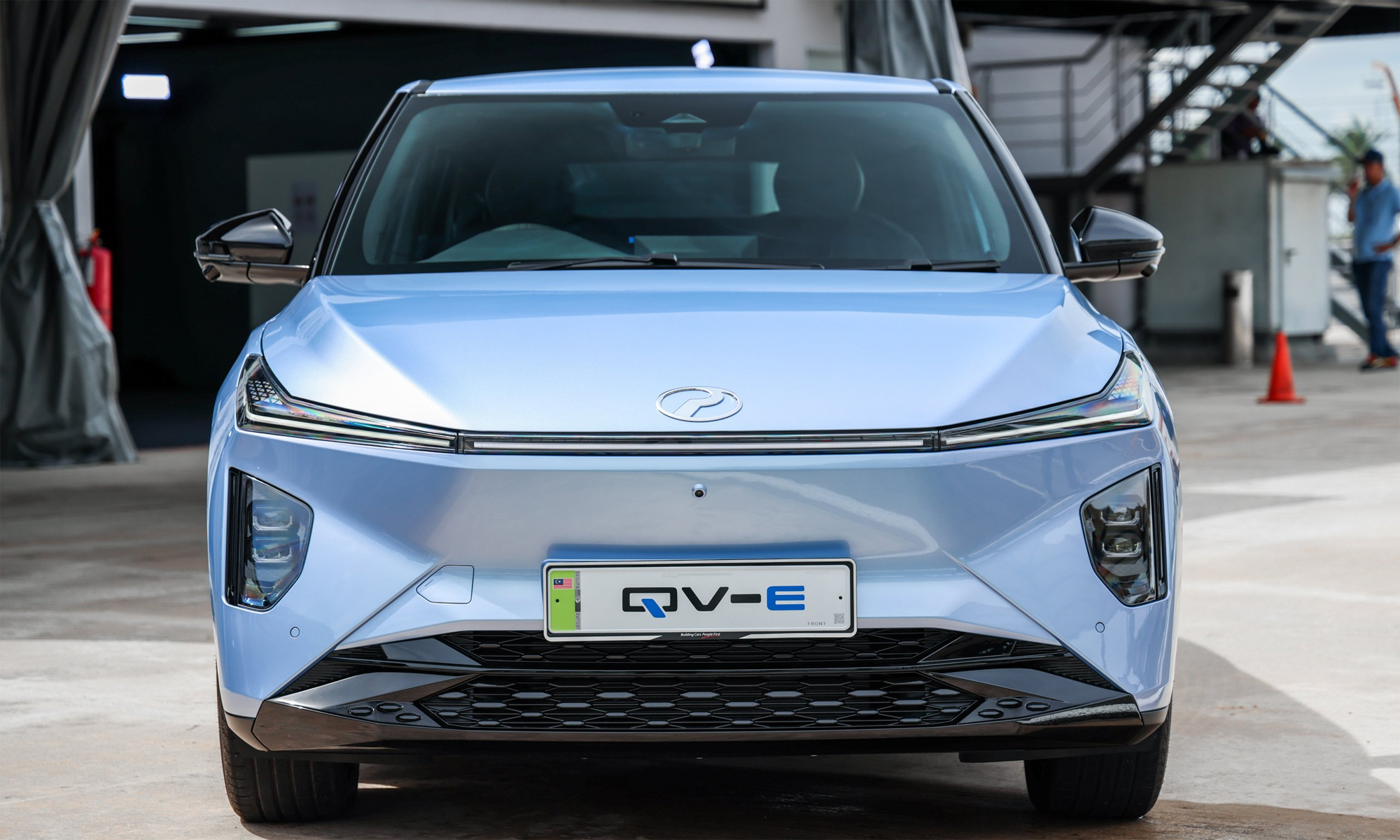 |
Malaysia's first electric vehicle debuted on the first day of December. Photo: Paultan
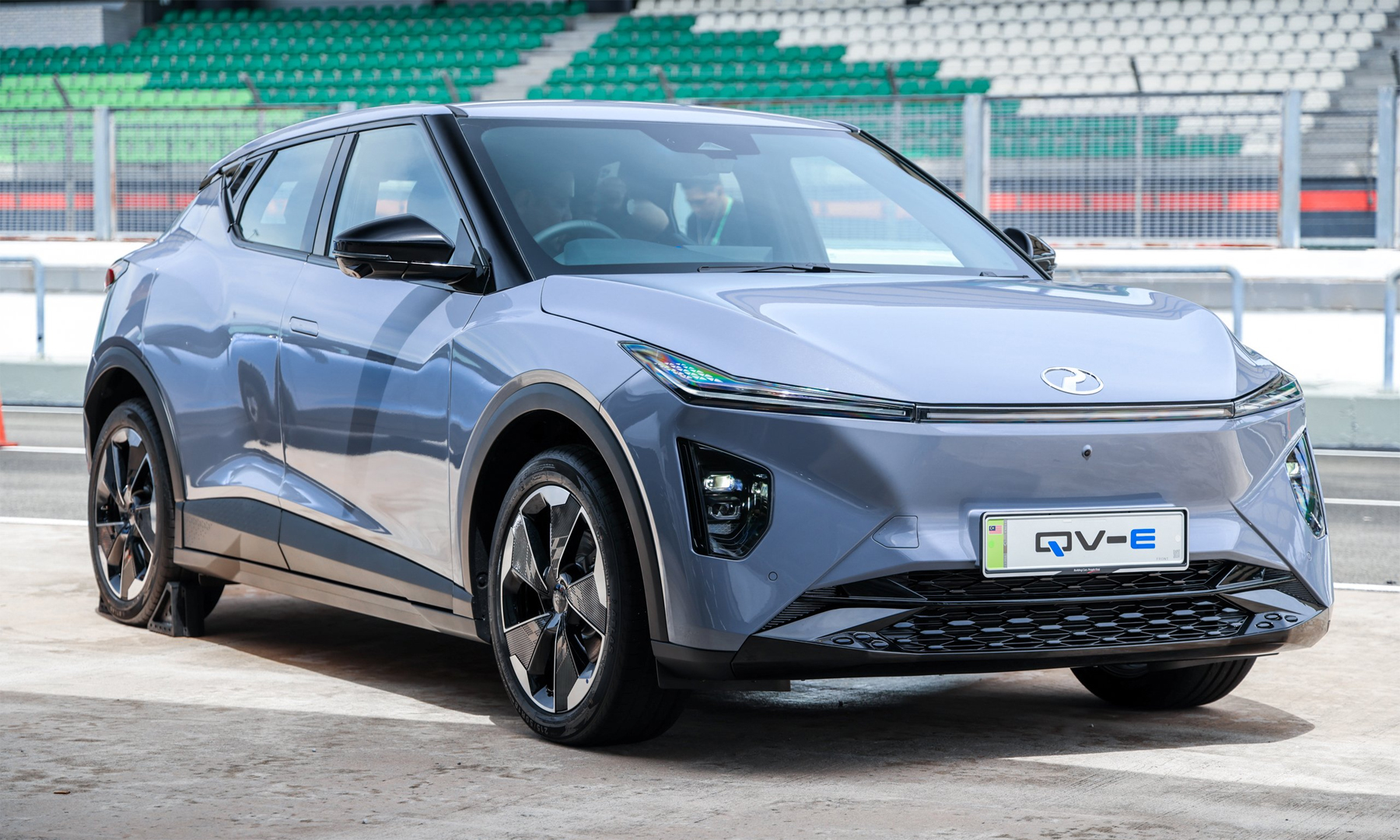 |
Like many other electric vehicles, the QV-E features a closed-off front end.
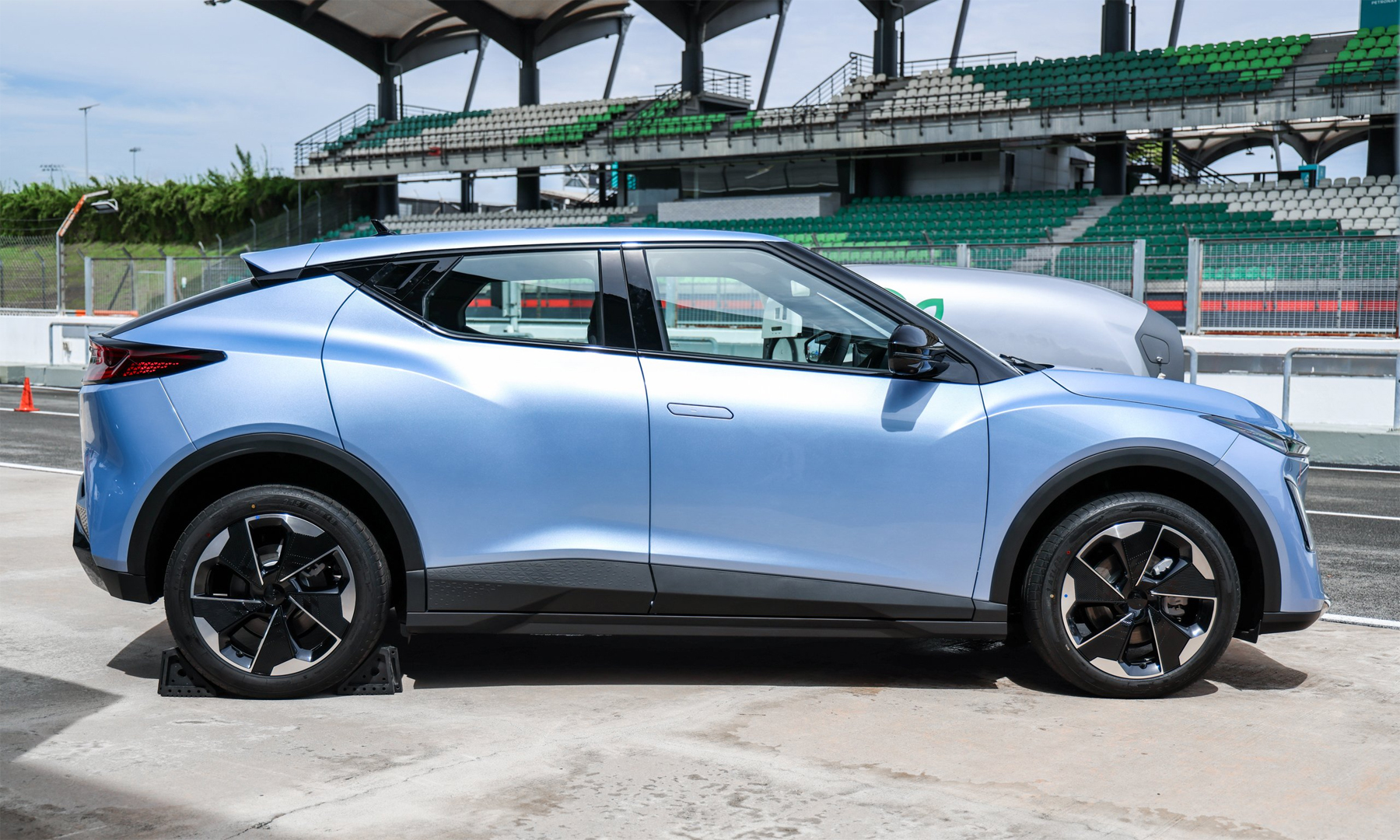 |
The QV-E measures 4,170 mm in length and 1,800 mm in width, with a 2,680 mm wheelbase.
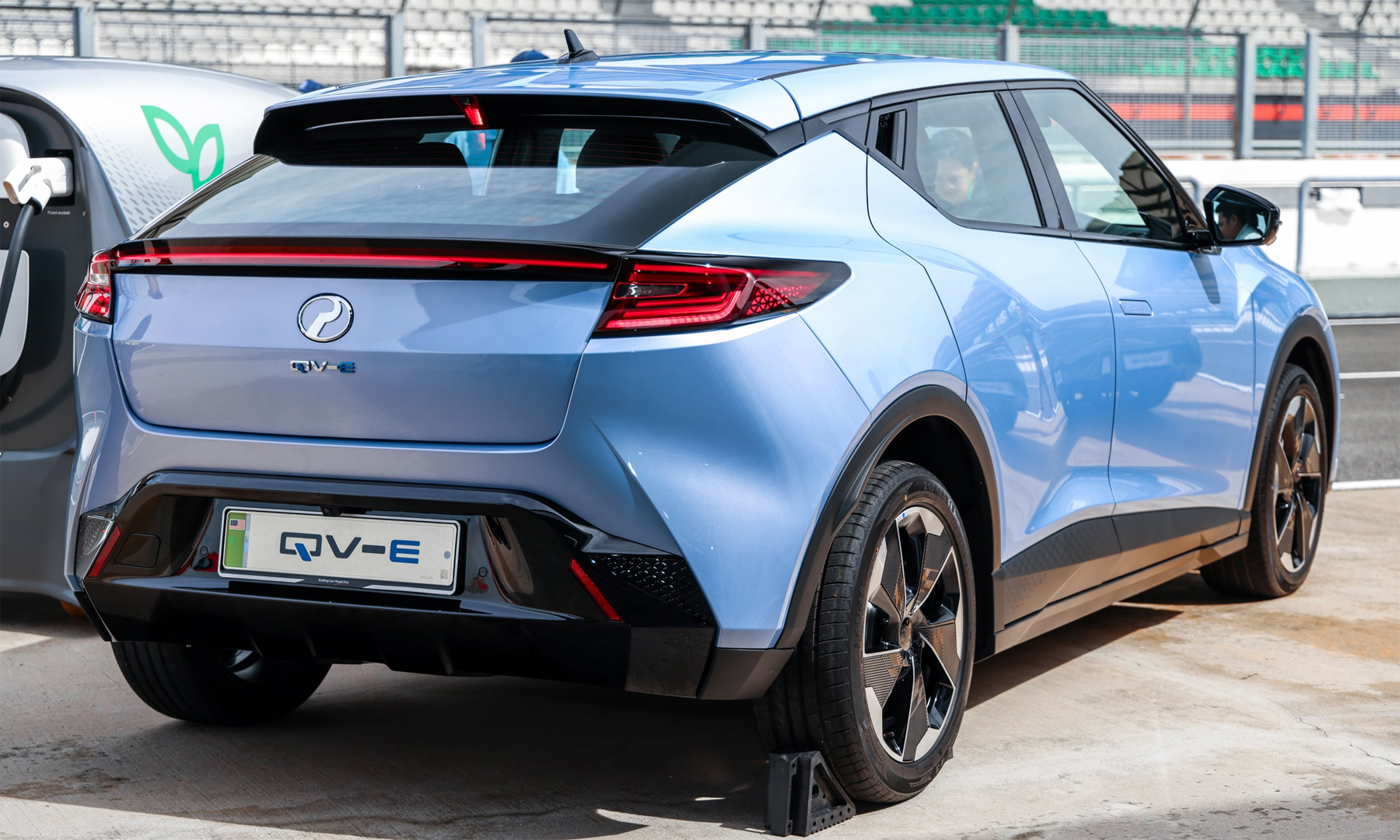 |
The low-sloping roofline creates a sporty profile.
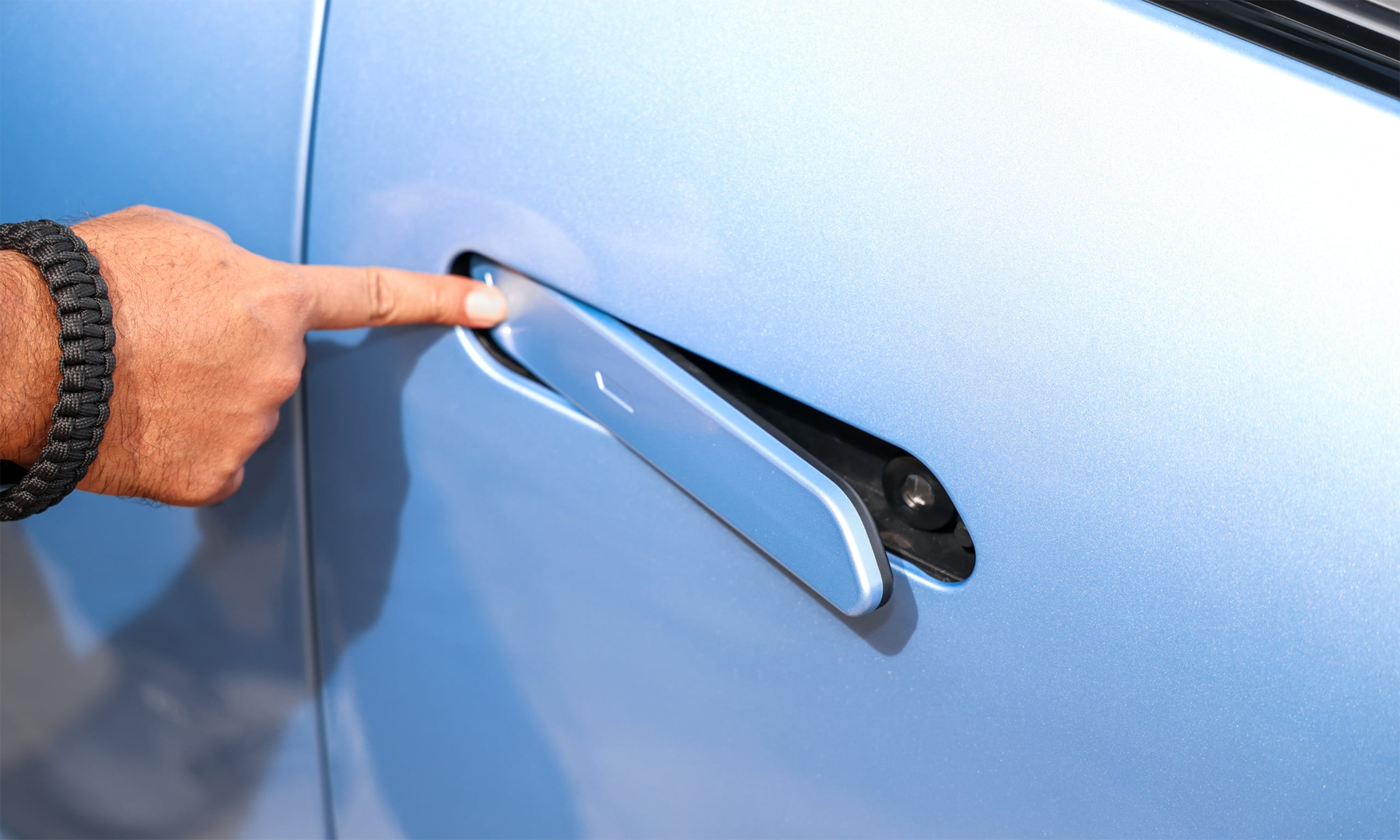 |
Hidden door handles, similar to those on Tesla vehicles.
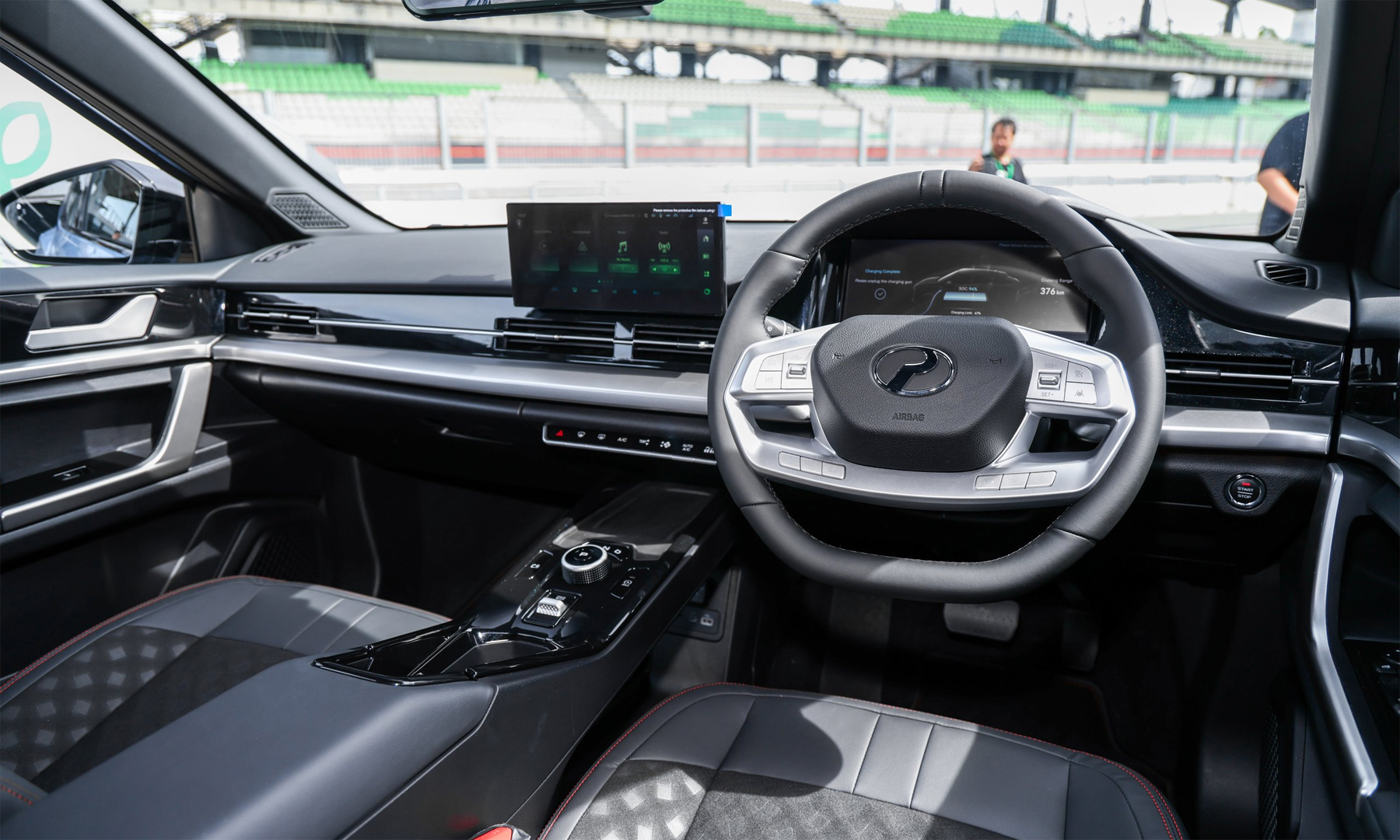 |
A 10.25 inch infotainment screen, wireless Apple CarPlay and Android Auto, a wireless charger, and tire pressure monitoring are included.
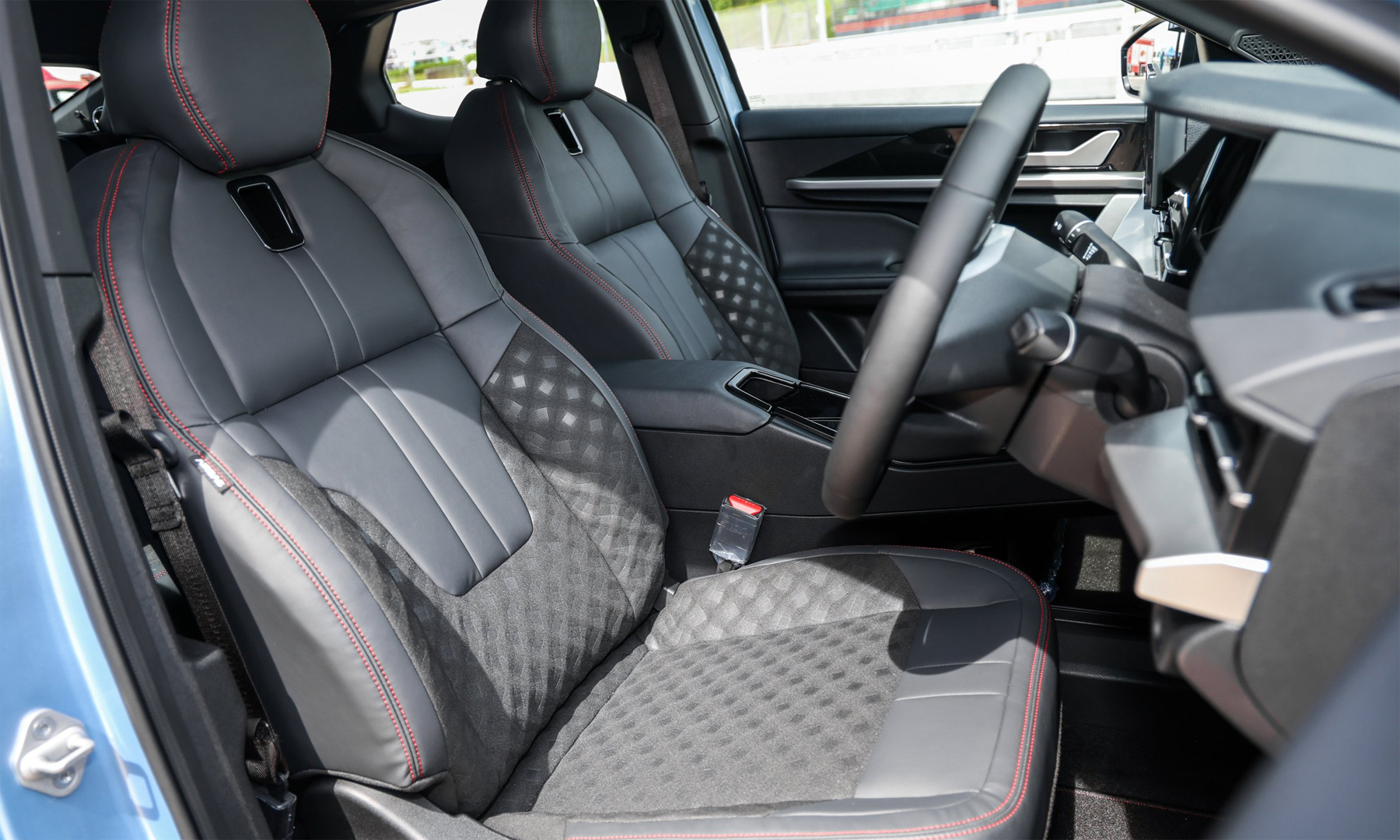 |
The QV-E is the first Perodua to feature power-adjustable driver's seat and ambient interior lighting.
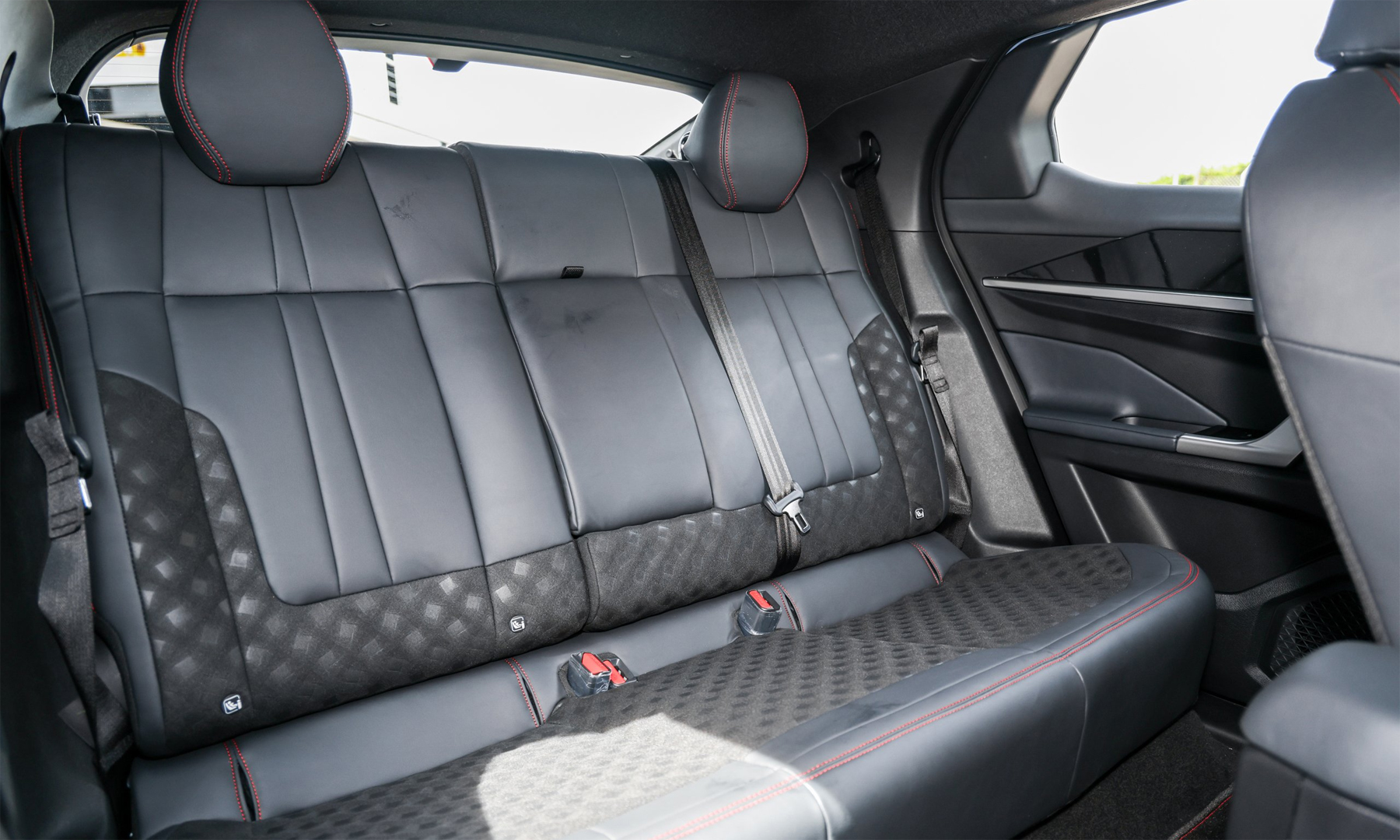 |
The rear seats include a central armrest and cup holders.
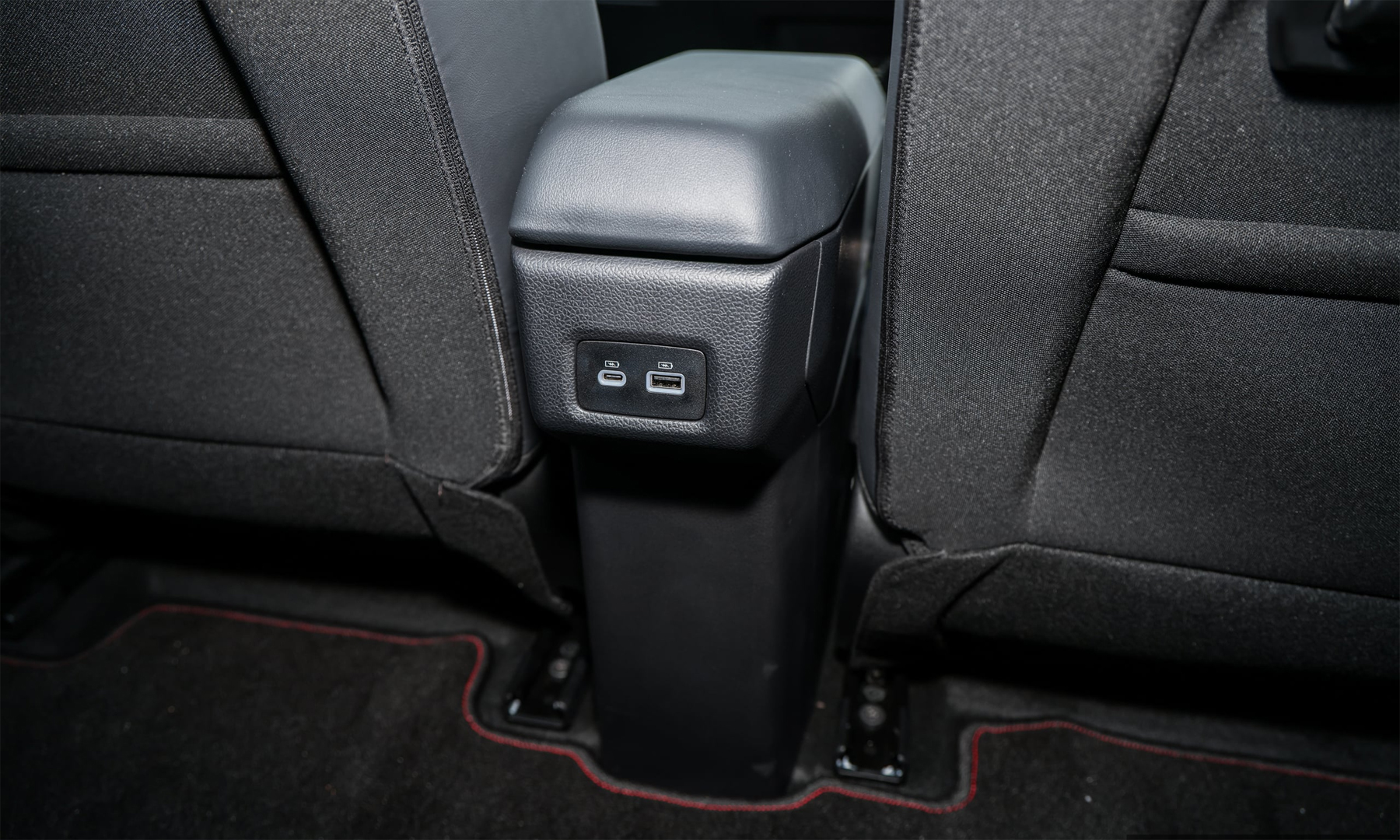 |
There are no air vents for the rear seats.
Perodua states that the QV-E was "built by our own hands" and that they hold the intellectual property rights to this electric vehicle, including its platform. Key components are sourced from leading industry names, including CATL of Trung Quoc for the LFP battery, and Magna Steyr, a renowned Austrian company, serving as the consultant for the EV platform.
Perodua and Magna Steyr collaboratively developed the new modular platform. The QV-E, internally designated as project P01A, is the first model in a series planned for the A-B segment. This platform can accommodate various body styles, including sedans and hatchbacks with a 2,550 mm wheelbase, and SUVs with a 2,700 mm wheelbase. The QV-E itself has a 2,680 mm wheelbase and is internally defined as a sportback. Hybrid and range-extended hybrid (REEV) vehicles can also be customized from this platform.
Measuring 4,170 mm long and 1,800 mm wide, the QV-E is 275 mm longer and 65 mm wider than Perodua's B-segment hatchback, the Myvi. With its low-sloping roofline and 2,680 mm wheelbase, it presents the sportiest appearance and proportions ever seen on a Perodua vehicle. The ground clearance is 158 mm, and the QV-E offers a luggage compartment volume of 320 liters.
As Perodua's most expensive vehicle, the QV-E targets a specific demographic rather than conventional customers. It is aimed at young families aged 40 and above with young children, and young adults aged 20 and above, described as "children of affluent families living with their parents".
Paultan notes that the QV-E appears designed for two occupants. Its sloping roofline, small rear windows, and all-black sporty aesthetic suggest that Perodua prioritized a lifestyle vehicle over practicality.
The QV-E is equipped with a front-mounted electric motor delivering 204 horsepower and 285 Nm of torque. This makes it Perodua's most powerful and fastest accelerating vehicle, achieving 0-100 km/h in 7.5 seconds. Its top speed is 165 km/h, which was reportedly reached on the main straight of the Sepang International Circuit.
Power is supplied by a 52.5 kWh LFP battery from CATL. The liquid-cooled, IP69-rated (water and dust resistant) battery weighs 405.7 kg, accounting for approximately 25% of the QV-E's 1,600 kg curb weight. The vehicle offers a New European Driving Cycle (NEDC) range of 445 km, which translates to about 380 km under the Worldwide Harmonized Light Vehicles Test Procedure (WLTP) cycle.
The QV-E supports a maximum DC fast charging power of 60 kW, enabling a 30-80% charge in 30 minutes. AC home charging at 6.6 kW takes 8 hours to achieve a full 0-100% charge.
The QV-E is also the first Perodua to feature a power-adjustable driver's seat and ambient interior lighting. Additional features include a 10.25 inch infotainment screen, wireless Apple CarPlay and Android Auto, a wireless charger, and tire pressure monitoring. A tire repair kit is located in the trunk instead of a spare tire, marking another first for a Perodua vehicle.
The P-Circle application allows QV-E users to monitor important EV parameters and perform certain functions remotely. The QV-E is also the first Perodua to feature a touch-sensitive control panel.
The advanced driver assistance system (ADAS) package includes a new child detection feature. This system uses millimeter-wave technology to detect movement and breathing in the second row, even if a child is covered. If the vehicle is turned off and the system detects a child (or pet) in the cabin, it will honk the horn and flash the lights. A second warning stage involves notifications via the application and SMS messages.
Furthermore, an SOS call button above the rearview mirror connects to Perodua's automatic assistance system and rescue services. The QV-E has achieved a 5-star rating from ASEAN NCAP.
Perodua's launch extends beyond just the new EV. In October, the company introduced the P-Circle application, which QV-E owners will use, and a Wallbox home charger featuring a surveillance camera, ambient lighting, and a touchscreen panel, alongside the P-Go smartwatch.
Perodua also offers a P-Charge Mobile portable charging service. This 184 kWh "power bank" can fully charge an EV with a maximum 60 kW DC output and can be deployed anywhere.
Perodua aims to achieve approximately a 50% localization rate for its electric vehicles by early 2026, increasing to 70% by 2030. While significantly lower than the 90% localization rate for Perodua's internal combustion engine models, Malaysia is starting from zero in the EV sector. Currently, 52 domestic suppliers are involved in the QV-E project, and Perodua targets reaching 70 suppliers by 2030.
My Anh