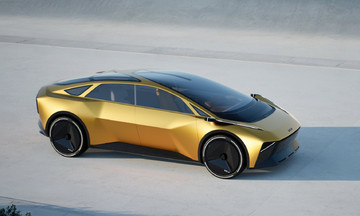
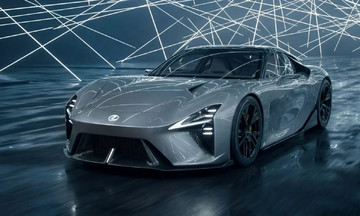
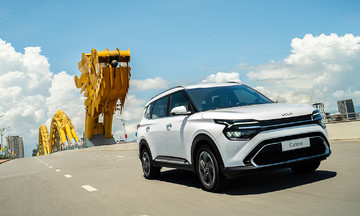
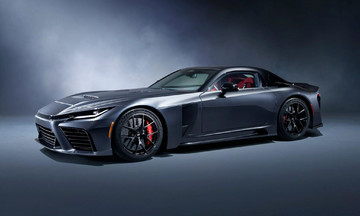
"They are so small, they are really cute", President Trump remarked at the White House on december 3, outlining plans to relax the stringent fuel efficiency standards inherited from former President Joe Biden.
However, Trump also noted that kei-cars are not permitted for production in the US, while Japan excels at manufacturing them. "So we are going to approve those cars", he stated, adding that he had authorized Secretary of Transportation Sean Duffy to approve their production.
These compact vehicles are very popular across Asia, in large markets such as China, Japan, and India. Yet, this vehicle class does not meet federal standards for new cars in the US.
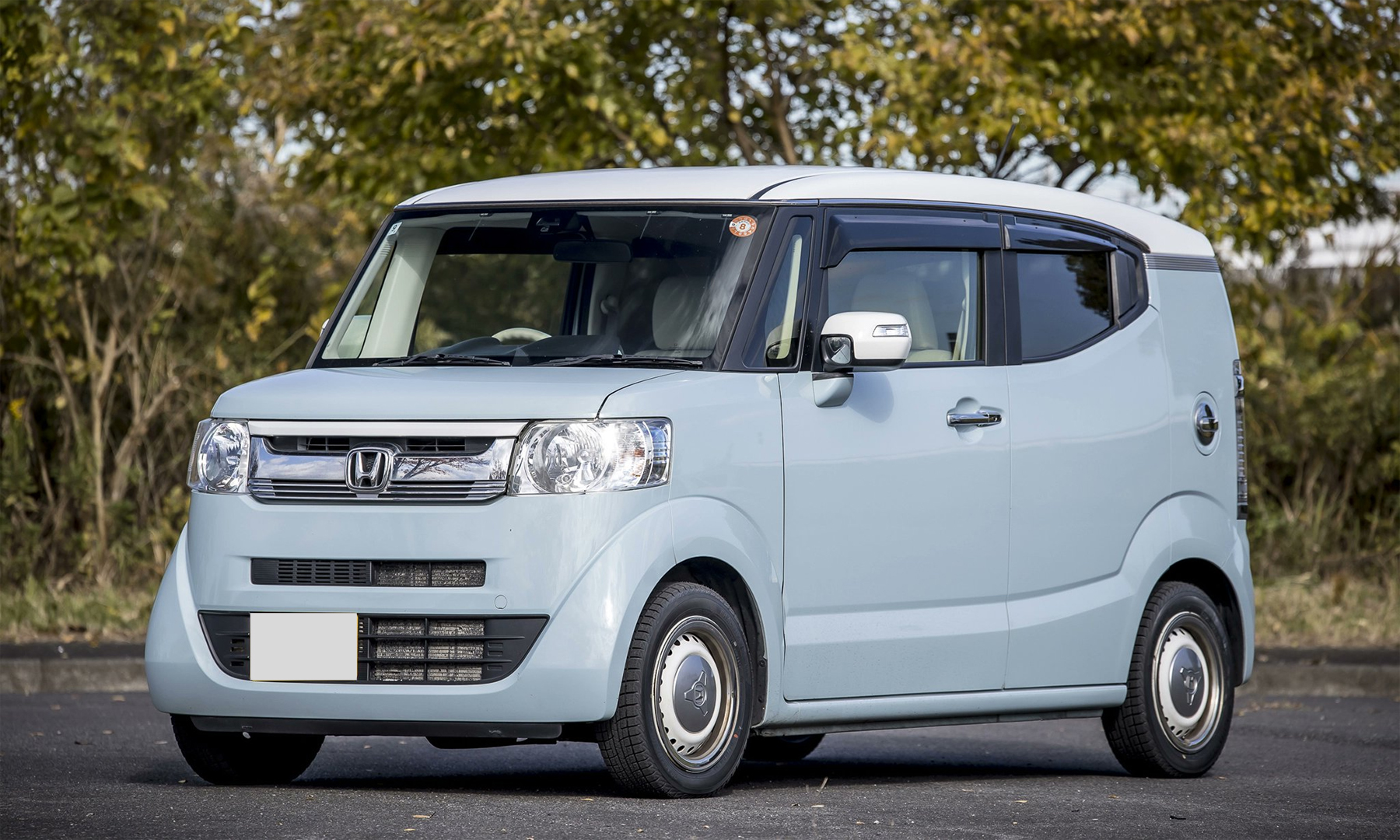 |
The Honda N-Box, a leading kei-car in Japan. Photo: Response |
The Honda N-Box, a leading kei-car in Japan. Photo: Response
On december 4, Secretary Duffy announced that he is collaborating with the National Highway Traffic Safety Administration (NHTSA) to pave the way for domestic mini-car production.
"Will they work on the highway? Probably not", Duffy said in an interview with CNBC, suggesting that these compact vehicles might be better suited for urban environments. He also pointed out their significantly lower cost compared to other options currently available.
A law permitting the import of oto over 25 years old into the US, even if they do not meet safety standards, has fostered a fervent fan base among American car enthusiasts. Nevertheless, these vehicles are restricted to low speeds and operation on private land in some states, and are entirely prohibited in others. The primary concern is their small size, slow speed, and limited power, making them unsafe to drive amidst the bulky trucks and SUVs prevalent on American roads.
Kei-cars, specifically designed for narrow roads and offering affordability, account for approximately 33% of total new vehicle sales in Japan. The term "kei" in Japanese translates to "light" and refers to a category of vehicles that benefit from tax incentives while adhering to strict limits on engine power and physical dimensions.
In response to President Trump's recent directive, the US Secretary of Transportation indicated that regulatory changes would allow Toyota and other automakers to produce and sell mini-cars in the US.
According to the Japan Automobile Manufacturers Association, Japanese automakers produced around 3,3 million vehicles in the US in 2024.
Japanese automakers spent much of the year navigating the Trump administration's tariffs. A trade agreement reached on july 22 reduced tariffs from 27,5% to 15%. However, Honda, Subaru, and Mazda have reported declining sales in recent months.
During tariff negotiations, President Trump consistently voiced complaints about the scarcity of American cars on Japanese roads. Data from the Ministry of Finance shows that Japan exported 1,37 million vehicles to the US in 2024, while importing only 16.074 US-made vehicles.
Under the trade agreement finalized on july 22, Japan consented to allow US-manufactured and safety-certified passenger cars to be sold in Japan without additional inspections. It also committed to providing clean energy subsidies for American vehicles.
Reports in recent months suggest that the Japanese government is considering importing Ford F-150 pickup trucks for official government use.
My Anh (according to Japan Times)