The Government has issued Decree 304, which stipulates the conditions for seizing collateral for bad debts. The decree will take effect from 1/12/2025.
The decree is designed to ensure that when a credit institution seizes collateral that is a borrower's sole residence or primary or sole work tools, it must allocate a sum of money to enable the homeowner to maintain their livelihood and cover basic living expenses.
Specifically, if a bank seizes a borrower's sole residence, which has been verified and proven according to the decree's regulations, the secured party must allocate a sum of money to the borrower equivalent to 12 months' minimum wage.
In cases where primary or sole work tools not acquired with loan capital are seized, and this has been verified and proven as per the regulations, the bank must allocate a sum of money to the borrower equivalent to 6 months' minimum wage.
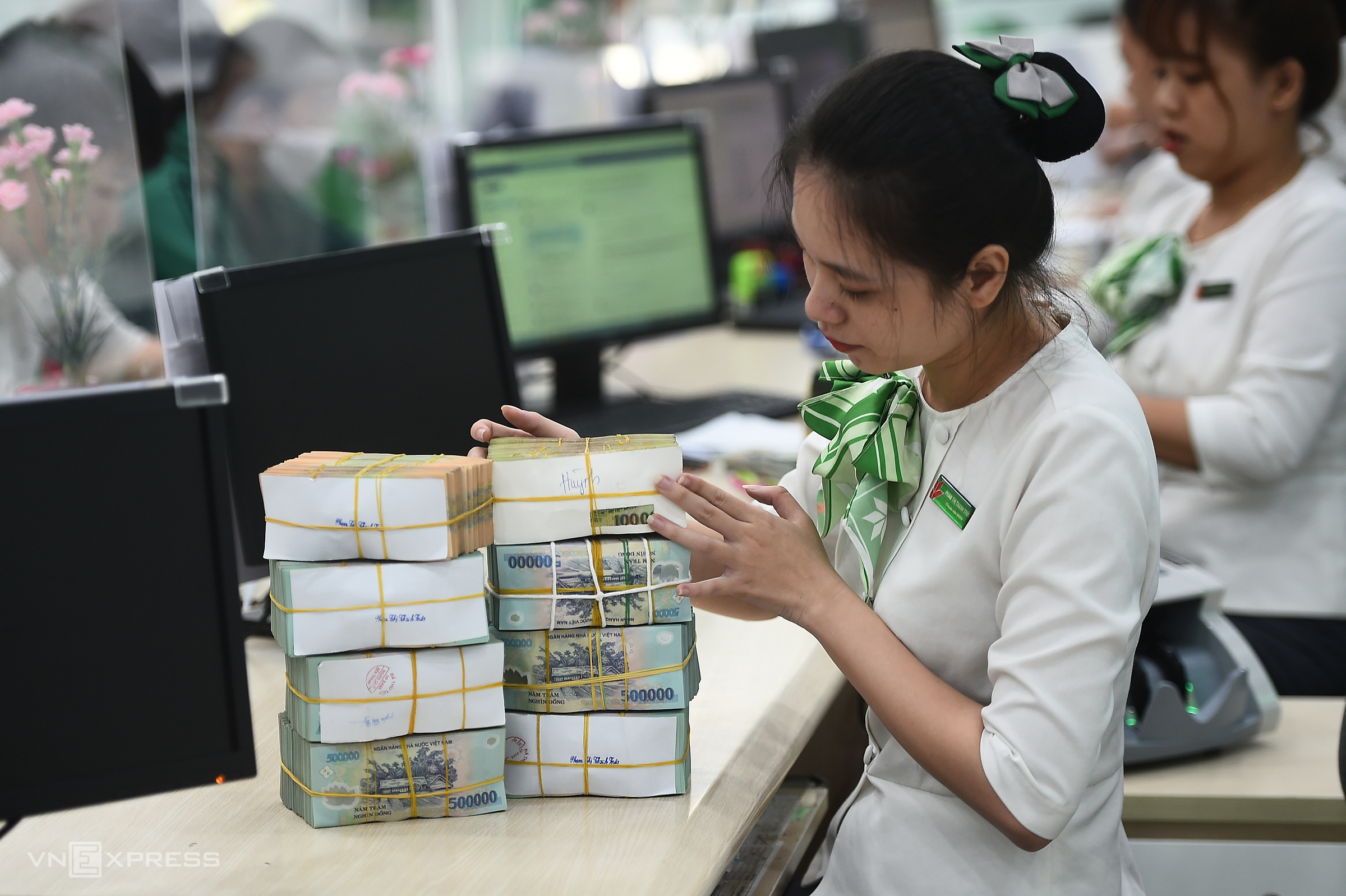 |
A transaction at a commercial bank. Photo: Thanh Tung |
According to the State Bank of Vietnam, this decree aims to balance the legal rights and interests of both borrowers and lenders. The seizure of collateral for bad debts requires a balanced approach, minimizing the impact on people's daily lives, production, and work activities.
Additionally, the new regulation upholds the principle that "individuals and legal entities establish, exercise, and terminate their civil rights and obligations based on freedom and voluntary commitment."
Quynh Trang