At the Vertical MRO Conference in Kelowna, Canada, aviation logistics experts highlighted that transporting helicopters or components between countries is among the most complex aspects of maintenance operations. A seemingly straightforward shipment can quickly escalate into a costly problem if businesses fail to adhere to proper procedures, particularly concerning documentation, packaging, and customs clearance.
During a panel discussion on cross-border transportation, Don Lockie, founder of Aviation Resources Group (ARG), and John Ross, representing Eagle Copters, shared common challenges faced by operators and maintenance centers. They emphasized that international logistics should be considered an extension of the maintenance process, rather than a mere transport step.
 |
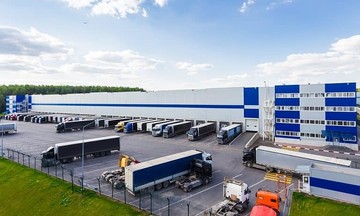
Transporting helicopters and components across multiple countries has complex requirements. Photo: Vertical Mag |
The process is more complex than "just shipping"
Experts state that international air transportation extends beyond simply moving goods from one point to another. The executing party must thoroughly understand each country's import and export regulations, collaborate with freight forwarders and customs brokers, and manage numerous industry-specific technical requirements.
Even a minor error in documentation or declaration can result in a shipment being held, incurring thousands of US dollars in costs, or causing operational disruptions. "Knowledge is key", Lockie shared. "No one wants to entrust a dental surgery to someone who just finished learning the trade. Logistics is the same; it requires specialists".
Lockie previously served as CEO of Redfort Group Aviation Logistics, a company that managed approximately 2,000 full aircraft transports and thousands of urgent shipments before its sale in 2019. He is currently developing ARG, focusing on building a network of logistics partners and customs brokers across multiple countries to effectively manage unforeseen situations.
He recounted a unique mission: extracting multiple aircraft from a politically unstable country within a few days. The total asset value reached 60 million USD, requiring coordination among the operator, local authorities, and charter aircraft. "We had only four days to get everything out. Every decision had to be made in real-time", he stated.
Ross, representing Eagle Copters, shared a similar scenario where the company had to transport an aircraft from the Caribbean to Africa. Initially, sea transport was chosen. However, the carrier's port call schedule constantly changed, making the plan unfeasible. The freight forwarder had to adjust the route through Europe, switching from sea to air transport. "It sounds simple, but it actually took a month to process. Each day of delay meant additional costs", he remarked.
According to experts, aviation logistics challenges have significantly increased in recent years. Trade regulations are changing, security requirements are tightening, and many customs systems are not designed to handle bulky or sensitive items like aircraft components. This necessitates that businesses employ specialized logistics teams capable of anticipating risks and preparing contingency plans.
Balancing cost and time
Specialized air transport often incurs higher costs than general services. However, speakers argued this investment is worthwhile because standard express carriers are not equipped to handle large, fragile, or hazardous material components. Even a minor incident can ground an aircraft, leading to tens of thousands of US dollars in daily losses.
For operating companies, transporting every component – from propellers and engines to small parts – directly affects fleet operational capability. Experts stress the importance of detailed planning: preparing routes, checking packaging standards, verifying documentation, and assessing total costs rather than focusing solely on unit shipping prices.
Ross stated: "Everyone wants their goods to arrive as soon as possible, but one must consider if it is worth paying three times the amount just to receive it three times faster. The answer depends on the urgency and the company's financial capacity".
One of the most common errors involves packaging standards, particularly untreated wooden crates or those lacking phytosanitary certificates. International regulations may lead to these shipments being refused entry or destroyed.
Furthermore, handling dangerous goods presents a significant challenge, especially as aircraft increasingly utilize electrical components and lithium-ion batteries. Incomplete declarations, including minor details such as confirming an aircraft has been completely defueled, can lead to investigations or legal violations.
Experts also noted congestion caused by changes in tax thresholds in the US, requiring detailed declarations for many low-value shipments instead of consolidated reporting. This creates significant pressure on clearance points. Therefore, businesses need to collaborate with customs brokers who understand tax codes and can work directly with border agencies to minimize delays.
Logistics: a link in the aviation safety chain
According to the speakers, every component shipment within the maintenance chain is integral to the aviation safety system. Negligence in logistics can lead to consequences akin to a technical malfunction.
Therefore, maintenance centers are advised to adopt a logistics-centric mindset: plan transportation early, select experienced aviation partners, update dangerous goods training, and integrate customs experts into the process from the outset.
They argued that cost-cutting is not always effective. Disregarding compliance requirements or shortening processes can lead to significantly greater losses if shipments are stalled or refused clearance, thereby posing risks to flight safety and fleet operations.
The Dan (according to Vertical Mag)