On 14/11, US President Donald Trump signed an executive order granting reciprocal tariff exemptions for various food items. These include coffee, tea, tropical fruits and fruit juices, cocoa beans, spices, bananas, oranges, tomatoes, beef, and some fertilizers.
Many products on the exemption list have seen double-digit price increases this year. For example, according to the September Consumer Price Index (CPI), ground beef prices rose by nearly 14%, and beef cuts by 17% compared to last year. This marks the strongest increase in over three years.
Banana prices increased by 7%, and tomatoes by 1%. Overall, the category of food consumed at home saw a 2,7% price increase in September compared to last year.
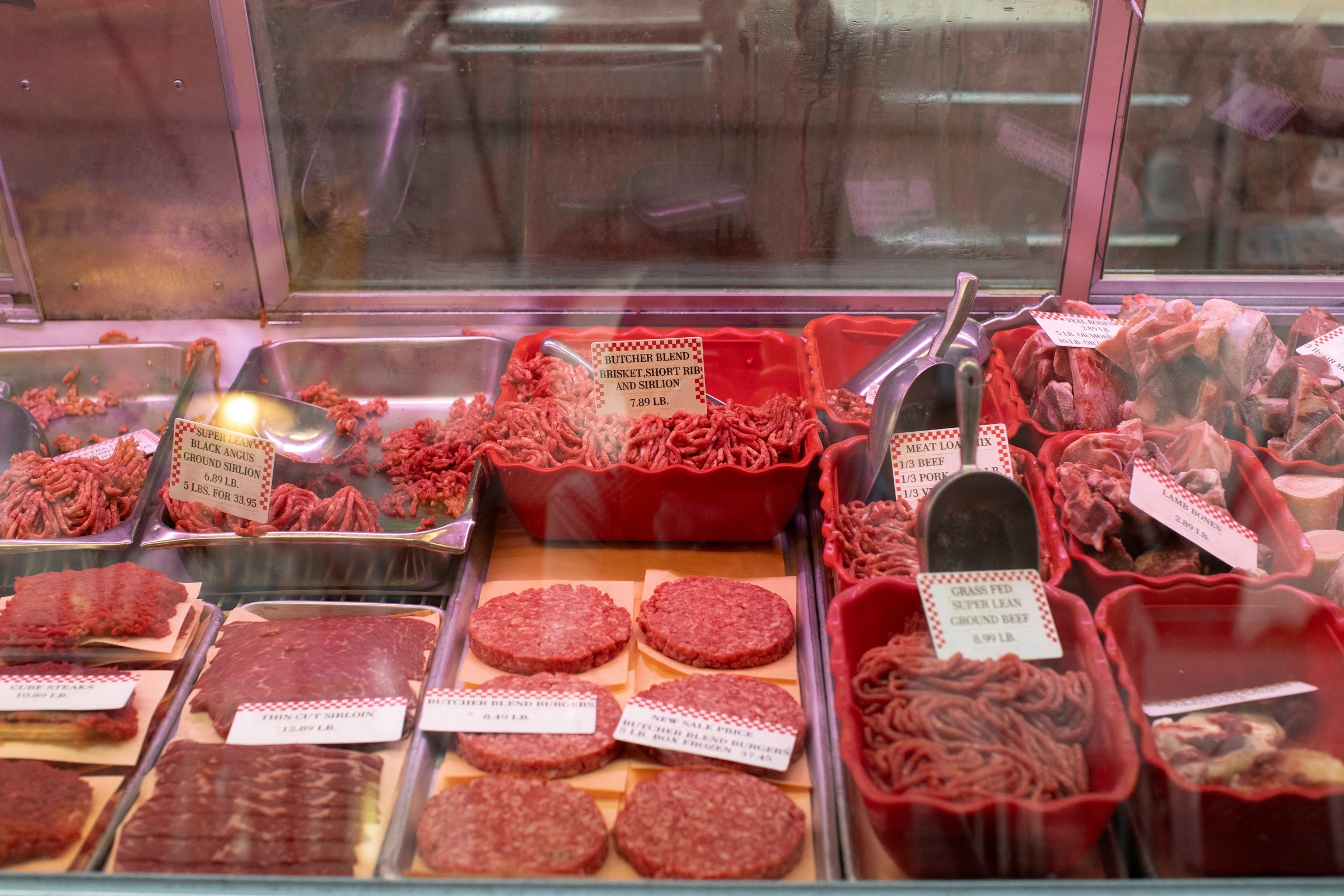 |
Beef for sale at a stall in Washington, US. Photo: Reuters |
Beef for sale at a stall in Washington, US. Photo: Reuters
The 14/11 executive order modifies the scope of reciprocal tariffs that President Trump announced on 2/4, excluding many agricultural products not producible in the US. On 5/9, the US President had signed a similar adjustment order, exempting 45 categories of goods such as gold, nickel, and chemicals. These products "cannot be naturally grown, mined, or produced in the US," or are not produced in sufficient quantities to meet domestic demand.
The latest exemption order took effect on 13/11, marking a turning point in President Trump's policy. The US President has long maintained that sharp increases in import tariffs do not fuel inflation.
This announcement came just one day after the US reached a framework trade agreement with Argentina, Ecuador, Guatemala, and El Salvador. The Trump administration also reached an agreement with Switzerland on 14/11. US officials anticipate more agreements this year, which will pave the way for tariff reductions on numerous other products.
In recent weeks, President Trump has frequently addressed the cost of living. He asserted that rising prices are due to his predecessor's policies, not import tariffs.
Economists, however, contend that increased costs are partly due to import tariffs. Living expenses may continue to rise next year as businesses begin to pass the burden onto consumers.
By Ha Thu (Reuters, White House)