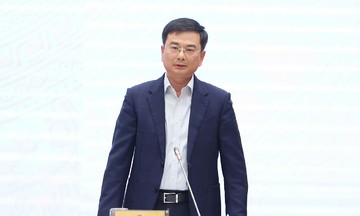
The People's Committee of Thanh Hoa province recently organized a review meeting to implement national target programs for 2025. The meeting evaluated three programs: new rural development, sustainable poverty reduction, and socio-economic development in ethnic minority and mountainous areas.
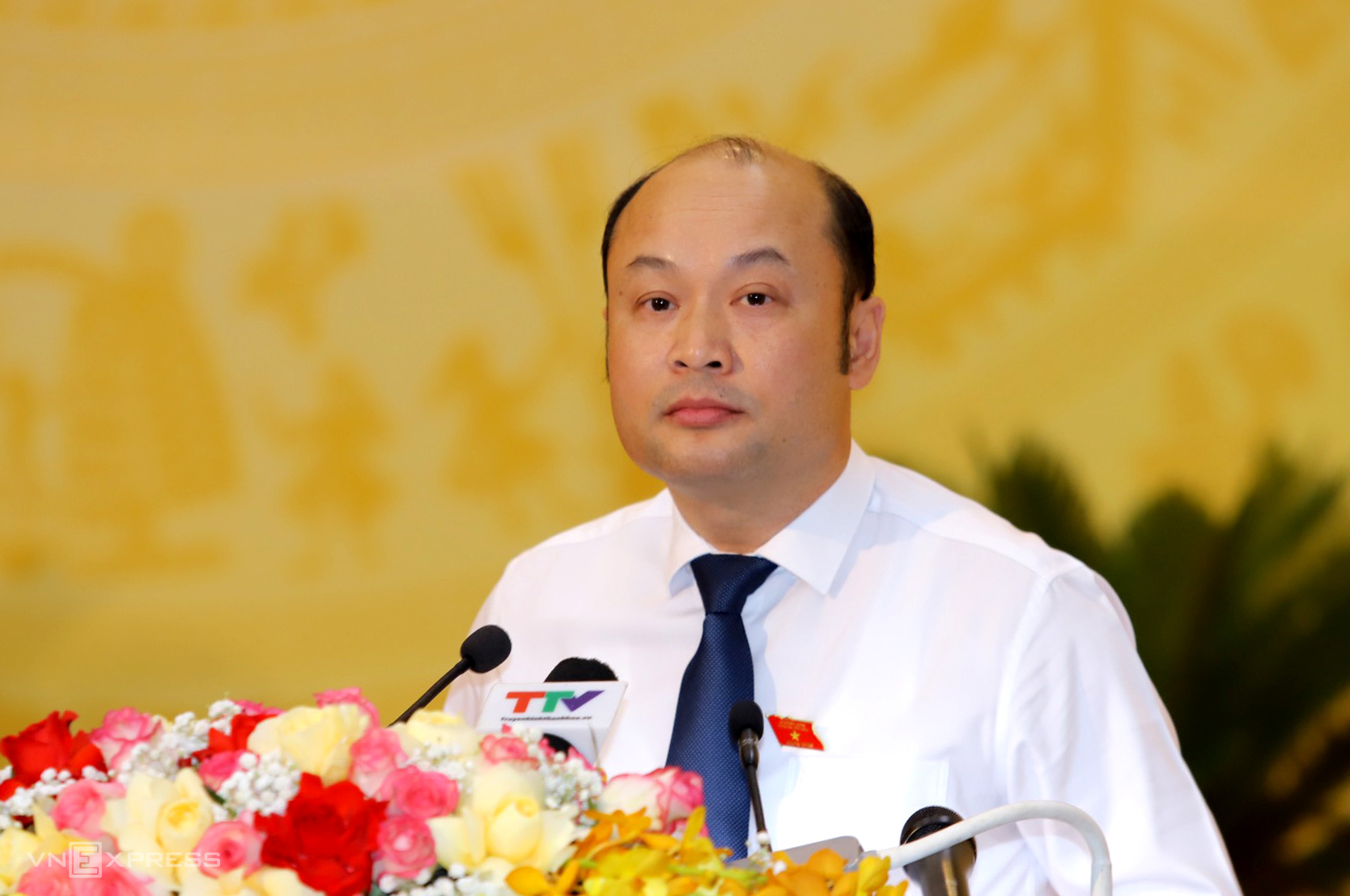 |
Mr. Cao Van Cuong, Vice Chairman of Thanh Hoa Provincial People's Committee, assessed that the province's national target programs have achieved significant results recently. Photo: Le Hoang |
According to a representative from the Department of Agriculture and Environment, during the 2021–2025 period, Thanh Hoa disbursed over 7,500 billion VND in central government funds, achieving 87,5% of the plan. Authorities implemented the programs transparently and effectively, contributing to local socio-economic development.
In mountainous areas, the poverty rate sharply decreased from 20,46% in 2022 to 5,6% in 2025. Average per capita income is estimated to reach nearly 54 million VND. The sustainable poverty reduction program helped the entire province reduce its poverty rate from 6,78% to 0,52%, exceeding the central government's target.
The new rural development program, in particular, recorded many outstanding results. The entire province now has 8 former district-level units meeting standards or completing tasks, 64 communes and 261 mountainous villages meeting new rural standards, 103 communes meeting advanced new rural standards, and 31 communes and 598 villages meeting model standards. Thanh Hoa has 598 OCOP products, placing it among the national leaders. It is also the first locality in the North Central region to have 4 districts meeting advanced new rural standards.
However, local functional agencies noted that implementing national target programs still faces difficulties. Some guiding documents were issued late, and implementation mechanisms changed compared to the previous period, causing confusion for many localities. Many items, despite having funds, could not be implemented due to procedural obstacles. The allocation of investment capital for the 2021–2025 period from the central government also affected construction progress.
At the conference, representatives from departments, sectors, and localities discussed several key issues: disbursement progress, capital integration, production support, vocational training, residential planning, and improving the quality of grassroots officials. Many opinions proposed resolving difficulties regarding mechanisms and policies to ensure timely progress.
 |
Mr. Le Anh (left), owner of Le Gia fish sauce brand, shared about the production process of the province's first 5-star OCOP product. Photo: Lam Son |
Vice Chairman of the Provincial People's Committee Cao Van Cuong acknowledged the efforts of all levels, sectors, businesses, and people in implementing the programs. He requested units to focus on completing tasks for 2025, review difficulties and obstacles, accelerate the finalization of projects carried over from 2024, and prepare well for the 2026–2030 period.
The provincial leadership also proposed strengthening communication on the policy of integrating the three national target programs into a unified program to avoid overlaps. They also requested departments, sectors, and localities to regularly inspect, urge, and promptly address difficulties to ensure 100% capital disbursement and enhance implementation efficiency.
Le Hoang