According to an announcement on the White House website, the tax removal took effect on 13/11. Taxes paid after this date may be refunded.
Previously, in early July, Mr. Trump announced an increase in taxes on Brazilian goods from 10% to 50%. This decision stemmed from his anger over Brazil's trial of former President Jair Bolsonaro. Earlier this year, Mr. Bolsonaro was accused of conspiring to poison his successor, Luiz Inacio Lula da Silva, and assassinate Supreme Court Justice Alexandre de Moraes.
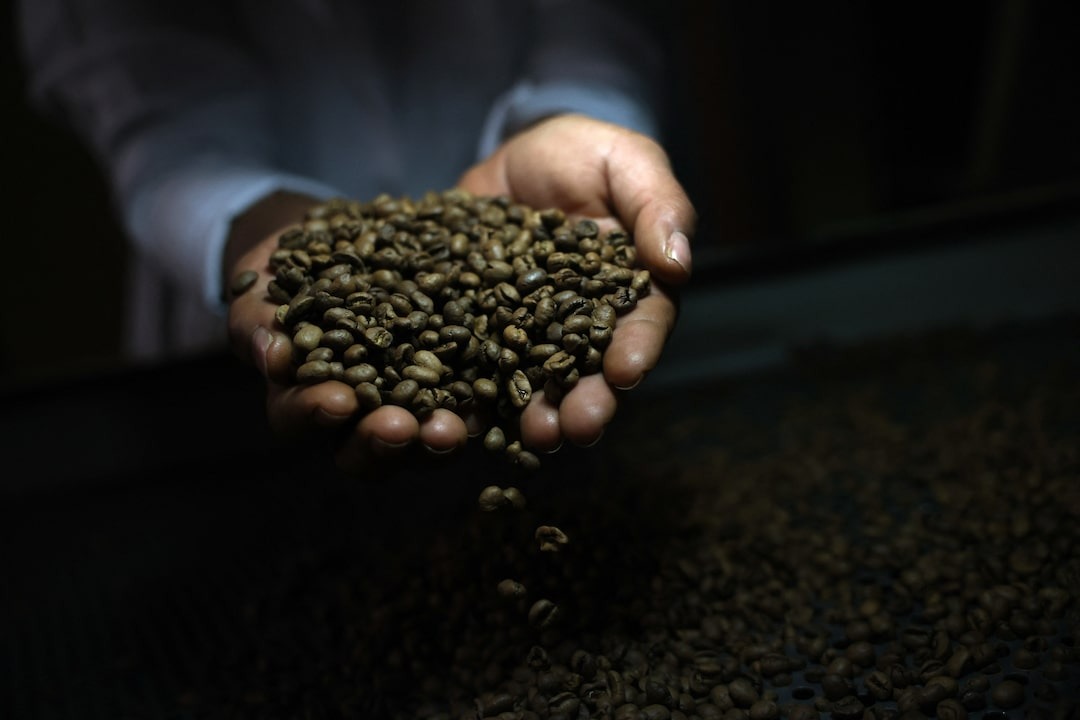 |
Workers inspect coffee beans at a farm in Brasilia, Brazil. Photo: Reuters |
Brazil is the 15th largest trade partner of the US, with total two-way trade reaching 92 billion USD last year. Brazil supplies up to one-third of the coffee consumed in the US, the world's largest coffee market. The country is also an increasing supplier of beef, particularly for burgers.
This year, retail coffee prices in the US increased 40% due to import taxes and other market factors, such as production shortages caused by weather. Rising food prices were a major factor in Mr. Trump's approval ratings falling to their lowest point since he returned to power, according to a Reuters/Ipsos survey.
Last weekend, the US president also signed an executive order granting reciprocal tax exemptions for a range of food items. These include: coffee, tea, tropical fruits and fruit juices, cocoa beans, spices, bananas, oranges, tomatoes, beef, and some types of fertilizer.
"Thousands of bags of Brazilian coffee currently in bonded warehouses will quickly be moved to roasting facilities in the US," said Judith Ganes, president of J. Ganes Consulting. Some importers had stored goods in US bonded warehouses after the tax on Brazil was announced in July, awaiting adjustments. These goods had not yet completed import procedures into the US, thus avoiding tax payment.
"This decision demonstrates the effectiveness of trade negotiations," the Brazilian beef industry association, ABIEC, stated. The organization affirmed its continued efforts to increase market share in the US. Brazilian President Luiz Inacio Lula da Silva also expressed his pleasure on 20/11 that the 40% tax had been removed.
Ha Thu (via Reuters)