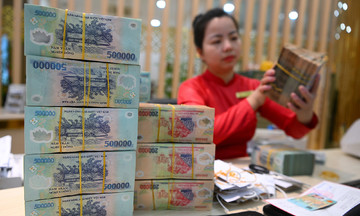
On 9/11, former US President Donald Trump announced an idea to distribute a "customs tax refund" of 2,000 USD to each American citizen. Previously, he stated he had directed the Department of Justice to investigate allegations of collusion among processing companies to inflate beef prices. Last week, he also signed an executive order granting reciprocal tax exemptions for coffee, fruits, and many other common goods.
The Wall Street Journal, citing sources familiar with the matter, reported that aides had urged Mr. Trump to focus on affordability issues after Democrats gained an advantage in several recent gubernatorial elections. The White House is developing plans to address voter anger.
They are seeking more agreements with pharmaceutical companies to reduce prescription drug prices, approving new offshore oil and gas drilling projects, and proposing healthcare initiatives. Mr. Trump also requested new ideas to cool down rising housing costs.
Lowering prices in a way that satisfies voters is not an easy task. Polls show that people want profound changes to make daily life less expensive. However, prices are primarily determined by market factors beyond the President's control. For example, interest rates are set by the US Federal Reserve (Fed), which has so far ignored pressure from Mr. Trump. Meanwhile, direct payments to citizens require congressional approval.
Therefore, reducing import taxes is one of the President's most powerful tools to lower prices at this time. On 14/11, Mr. Trump signed an executive order granting reciprocal tax exemptions for a range of products. This order marks a turning point in his previously tough trade policy.
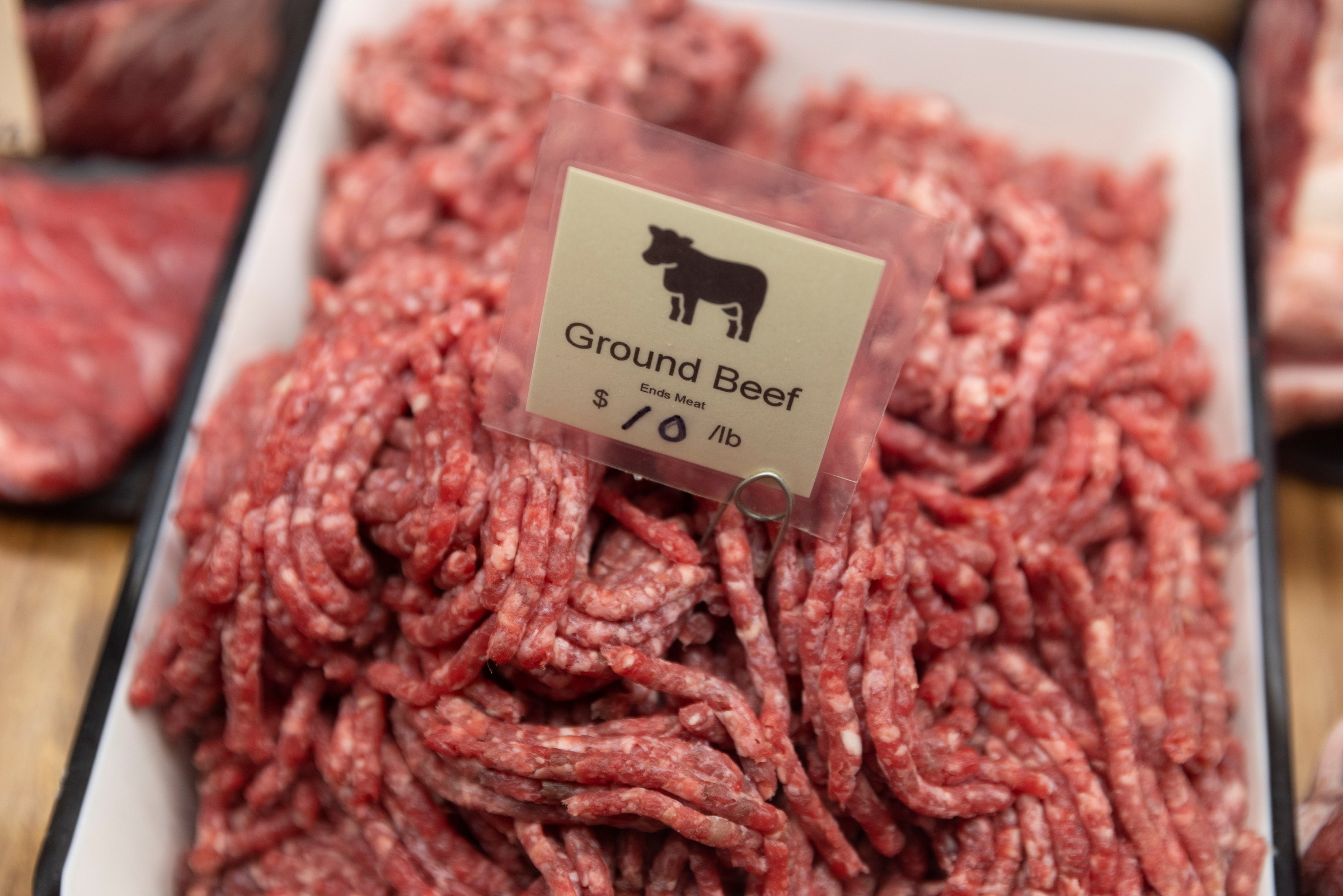 |
Ground beef in a Manhattan store, New York, US. Photo: Reuters |
According to data from the US Department of Labor, prices for some food items have increased due to import taxes. The average price of one pound (0,45 kg) of roasted and ground coffee was 9,14 USD in September, up from 6,47 USD in the same period last year. The primary cause was a 50% tariff imposed on certain imports from Brazil, one of the world's largest coffee producers.
US officials stated that the President was angry with suggestions that he had not done enough to bring prices down. Mr. Trump asserted that the Republican Party had not adequately promoted his achievements. When signing legislation to end the government shutdown last week, he stated that this would allow Republicans to "continue the work of reducing the cost of living" and "help make America affordable again for everyone."
During his campaign, President Trump stated that he would reduce prices from day one of his second term. His goals included a 50% reduction in energy costs within the first 18 months and mortgage interest rates falling to 2%.
Former US President Joe Biden also faced difficulties due to voter dissatisfaction with the cost of living. His former aides regretted not taking stronger action to demonstrate empathy with voter concerns.
Michael Strain, head of economic policy research at the American Enterprise Institute, stated: "You should not tell people that their perception of life is wrong. Mr. Biden made that mistake, and it was a big mistake. I am surprised that Mr. Trump is repeating it."
Recently, President Trump asserted that the economy remains strong and downplayed concerns about prices. "The economy is my field, and we have the greatest economy in history", he declared on Fox News. Despite this, an NBC News poll published this month showed that about 70% of voters believe Mr. Trump has not addressed the cost of living issue.
A recent CNN poll also showed that 72% of respondents believe the economy is unstable. 47% view the economic situation and cost of living as top current issues.
White House spokesperson Kush Desai affirmed that Mr. Trump focused on the economy from the moment he took office and continues to prioritize "economic policies that reduce costs, increase wages, and mobilize trillions of USD in investment in American manufacturing and hiring."
A senior US official stated that after the local elections this month, President Trump proposed several ideas to regain voter support and asked advisors for more suggestions, such as a plan for 50-year home loans.
Economists suggest that removing import taxes will help lower prices, but the extent of the reduction depends on the number of countries to which it applies. Furthermore, businesses often take some time to adjust prices once costs decrease.
However, prices for some other goods are more difficult to control. For example, high housing prices are primarily due to a lack of supply, which cannot be resolved quickly. Crude oil prices are currently near their lowest in more than four years, but electricity costs are rising as demand from data centers surges. "There are many inherent problems, and there are truly no short-term solutions," noted Ken Kuttner, an economist at Williams College.
US inflation has also risen slightly in recent months, although it remains lower than experts' forecasts. The Consumer Price Index (CPI) in September increased by 3% compared to the same period last year, up from 2,9% in August.
"The stock market is soaring. But Mr. Trump's working-class supporters do not invest heavily in stocks. They work hard, so they are sensitive to small price changes," said David Urban, a former advisor to Mr. Trump's campaign.
Additionally, Mr. Trump's success in consistently attacking his predecessor over inflation has deeply ingrained price concerns in voters' minds. "It is actually not Mr. Trump's fault. The situation is difficult to improve much in the first 10 months of a term. But when people are already so angry, they find it hard to be patient," concluded Bill McInturff, a Republican pollster.