 |
The kidneys work tirelessly, filtering blood, removing toxins, and performing other essential functions. Age, unhealthy lifestyles, chronic dehydration, and alcohol abuse can gradually weaken them. Choosing the right foods provides beneficial nutrients, enhancing kidney function.
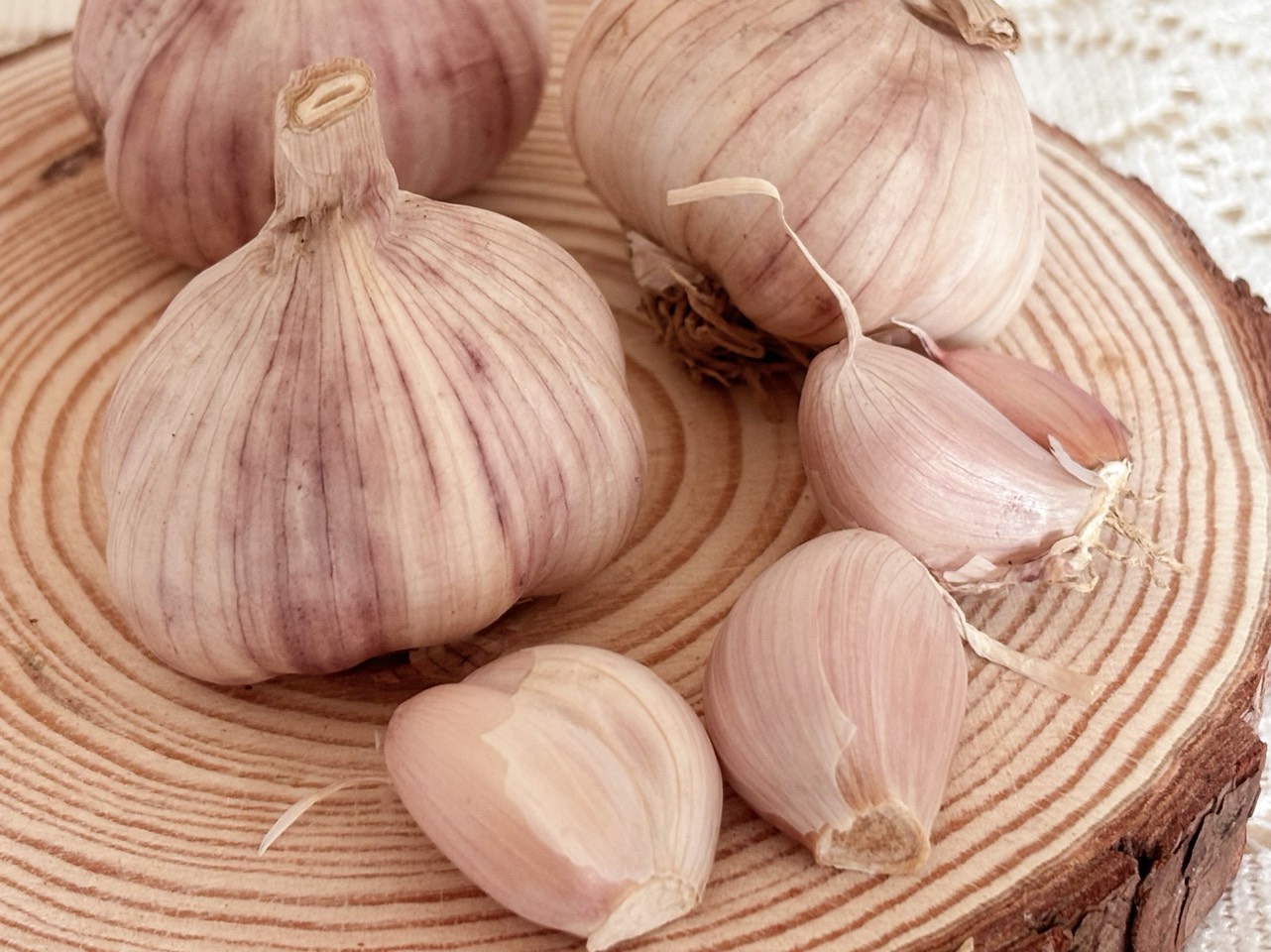
Consuming garlic supports normal kidney function due to its diuretic properties. It is also a source of powerful antioxidants, reducing inflammation, fighting infection, and lowering cholesterol. Garlic can be used in various dishes and as a salt substitute to reduce daily sodium intake.
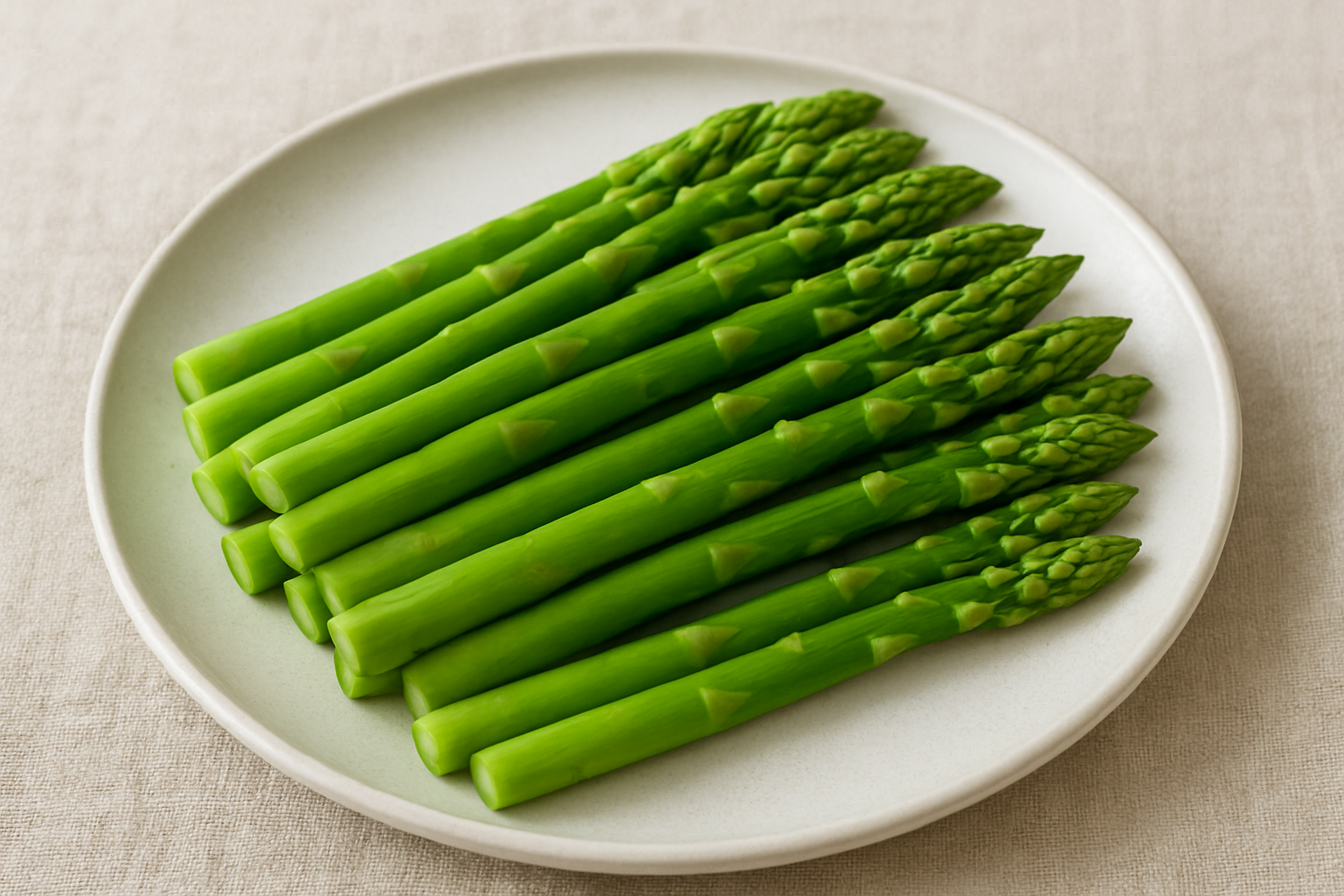 |
Asparagus is low in calories and rich in fiber, vitamins A, C, E, and K. Eating asparagus has a mild diuretic effect, helping to eliminate toxins and excess fluids from the kidneys more quickly. It also helps soothe renal tubules, reducing kidney and bladder stones.
 |
Egg whites provide a high-quality, low-phosphorus protein source beneficial for kidneys. This can be a better choice than whole eggs for individuals with kidney disease. Use egg whites for omelets or sandwiches. You can also boil them and use the whites in green salads.
 |
Cabbage contains B vitamins beneficial for kidneys, along with vitamins K and C, fiber, and folate. These nutrients act as powerful antioxidants with strong anti-inflammatory effects, neutralizing harmful free radicals that can worsen kidney inflammation. Cabbage is delicious and nutritious when boiled, steamed, stir-fried, or used in soups.
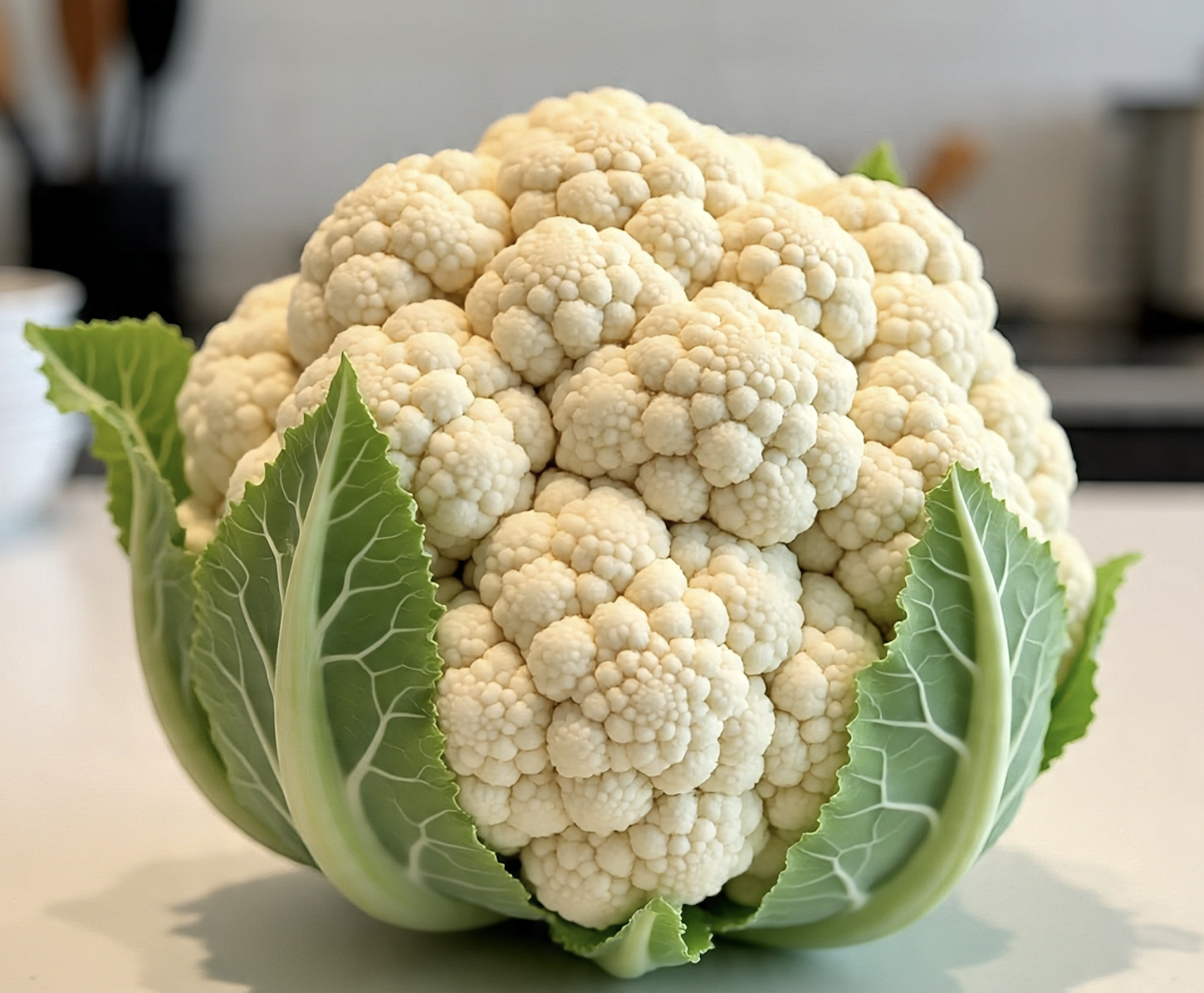 |
Cauliflower is low in potassium but rich in vitamin C, vitamin K, folate, and a significant amount of fiber. These nutrients work together to reduce inflammation and oxidative stress, two causes of kidney damage. Cauliflower also provides bioactive compounds, acting as a shield protecting kidney cells. This vegetable can be eaten raw, steamed, or used in soups.
Bao Bao (Source: Healthline, Times of India)
Photos: Bao Bao, AI