Master of Science, Doctor Nguyen Anh Duy Tung, from the Department of Clinical Nutrition and Dietetics at Tam Anh General Clinic District 7, states that eating pumpkin three to four times a week replenishes the body's vitamin A reserves, boosting immunity and metabolism due to its fiber content and slow-digesting starches.
Boosts immunity
Pumpkin provides significant vitamin C, which supports white blood cell production and enhances infection resistance. Antioxidant compounds like alpha-carotene, beta-carotene, and zeaxanthin help reduce oxidative stress, protecting cells from inflammatory agents. This is particularly useful during seasonal changes or when the body is weakened after illness.
Promotes healthy vision
Pumpkin contains high beta-carotene, which the body converts into vitamin A, aiding vision in low light. This food is also rich in natural lutein and zeaxanthin, two compounds that help reduce retinal damage from blue light emitted by screens, making it suitable for individuals who use computers for many hours daily. These carotenoids also contribute to slowing the risk of age-related macular degeneration.
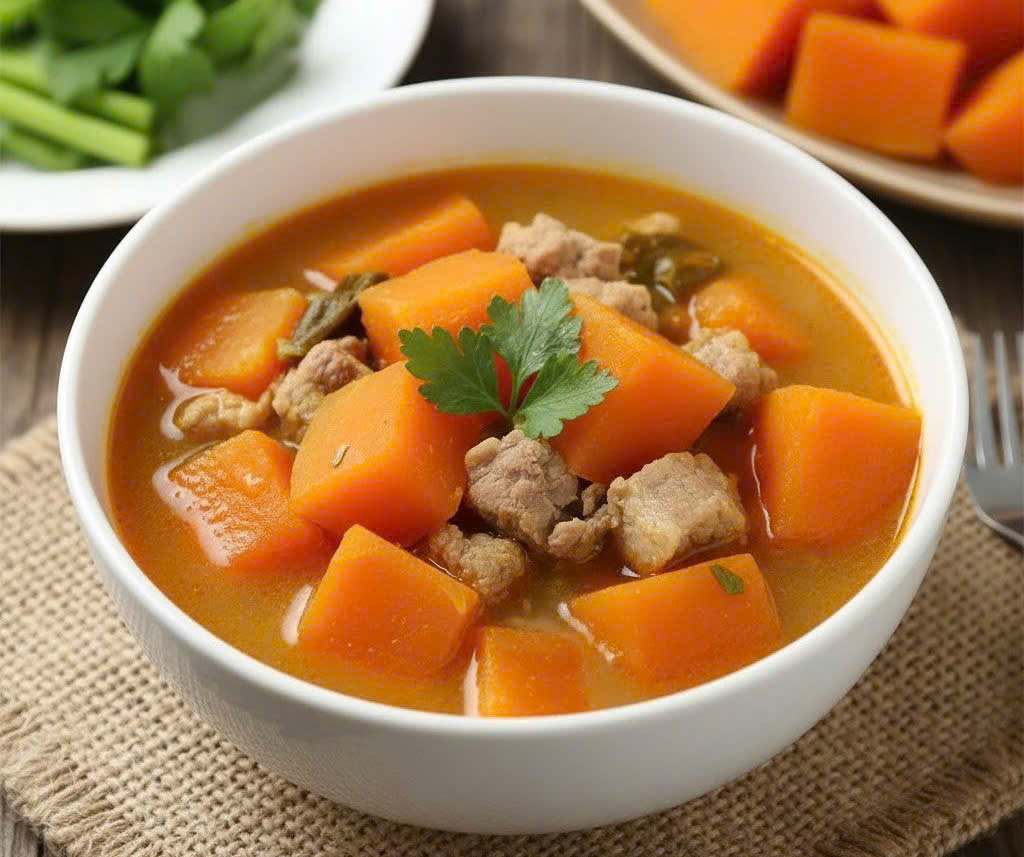 |
Pumpkin contains many nutrients beneficial for health. Image created by AI.
Blood sugar control
Pumpkin contains starch but has a low glycemic index and is rich in soluble fiber, which slows sugar absorption into the bloodstream. The polysaccharide extract in pumpkin can also support insulin activity, stabilizing post-meal blood sugar. As a result, pumpkin is suitable for individuals with prediabetes or those aiming to maintain stable blood sugar levels throughout the day.
Supports cardiovascular health
Pumpkin is rich in potassium, which helps regulate blood pressure, balance fluids, and reduce strain on the heart. Unlike many other vegetables, pumpkin offers potassium levels comparable to bananas but with less sugar and fewer calories. Antioxidants also reduce inflammation in blood vessel walls, limiting plaque formation and lowering the long-term risk of cardiovascular complications.
Weight loss and skin beauty
Low in calories and rich in water and fiber, pumpkin promotes a feeling of fullness, curbing snacking and supporting healthy weight management. Its vitamin C content aids collagen synthesis, improving skin elasticity. Beta-carotene can protect skin from sun and pollution damage, leading to brighter, more even-toned skin over time.
Doctor Duy Tung advises that individuals with diabetes should consume pumpkin in moderation and avoid preparations with added sugar, condensed milk, or coconut cream. Those with acute digestive disorders may need to limit their intake due to its high fiber content. Individuals with chronic underlying conditions, diabetes, obesity, dyslipidemia, children with slow weight gain, or those needing dietary adjustments for specific health goals should consult a nutrition specialist for a suitable meal plan.
Trong Nghia
| Readers can ask nutrition questions here for a doctor's response |