On 17/11, Xuyen A Long An General Hospital reported that at the time of the accident, there were no other vehicles nearby, which prevented a more serious collision. However, after the fall, the student developed symptoms of headache and nausea. Passersby quickly took her to Xuyen A Long An General Hospital for emergency treatment on 29/10.
Doctors examined the patient and noted weakness on the right side of her body, with a Glasgow coma scale score of 9-10/15. A skull CT scan revealed an epidural hematoma in the left cerebral hemisphere extending to the left temporal pole, along with a skull fracture in the left temporal region. Initial assessment indicated the bleeding originated from the temporal skull fracture and a ruptured middle meningeal artery.
The patient was scheduled for emergency surgery to remove the epidural hematoma and control the bleeding. As the source of bleeding was a major meningeal artery, timely hemostasis was crucial to prevent the hematoma from growing larger and causing prolonged brain compression, thereby reducing the risk of postoperative complications such as hemiparesis.
The surgery proceeded smoothly. Just 30 minutes later, the patient regained consciousness after anesthesia and could communicate with her family. Her health is currently stable, and she was discharged after more than 10 days of treatment.
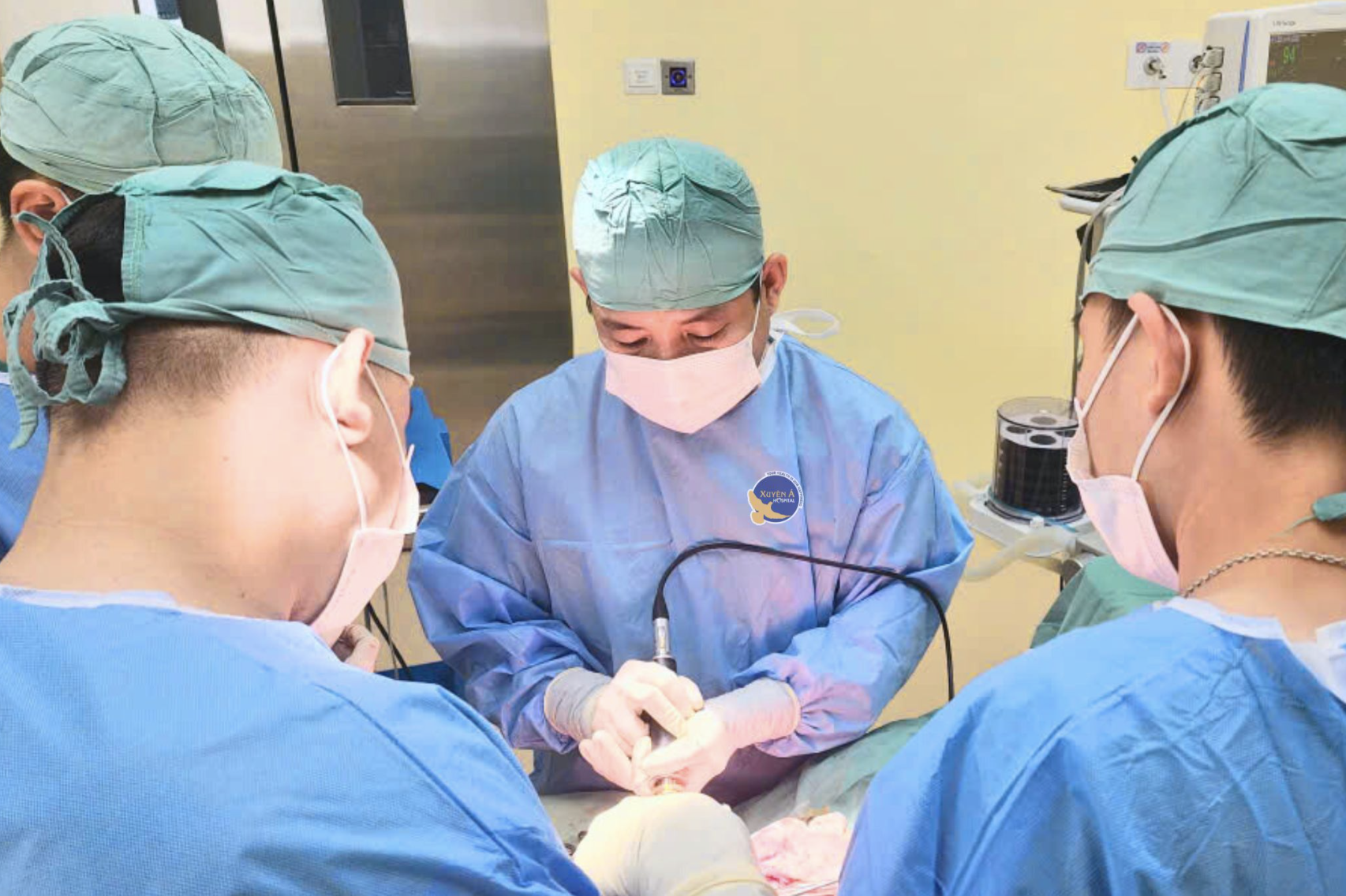 |
Doctors performed emergency surgery to remove the epidural hematoma and control bleeding for the female student. *Photo: Hospital provided*. |
Dr. Nguyen The Thuan, Head of the Neurosurgery Department, stated that acute subdural hematoma is one of the most dangerous injuries in traumatic brain injury. There are cases where patients remain conscious after an accident but worsen a few hours later due to the hematoma causing pressure on the brain.
Symptoms may include: headache, vomiting, confusion, loss of consciousness, paralysis, seizures, or even death if not treated promptly.
In many cases, hematomas in the head are discovered days or even months after the injury. Therefore, experts recommend that when experiencing a head impact, whether minor or severe, especially if unusual symptoms such as: headache, vomiting, dizziness, or drowsiness are present, immediate medical attention is necessary for examination and early diagnosis to prevent serious complications.
My Y