Answer:
Hepatitis D virus spreads through contact with infected blood or bodily fluids, from mother to child, unsafe sexual contact, sharing needles, and exposure through open skin wounds. Individuals with jobs involving frequent contact with blood or bodily fluids, or those undergoing regular dialysis, are also at risk of infection.
However, hepatitis D is caused by the hepatitis D virus (also known as hepatitis delta, HDV). This virus requires the hepatitis B virus (HBV) to survive and replicate. A person can only contract hepatitis D if they are already or currently infected with hepatitis B. Therefore, if you do not have hepatitis B, the likelihood of contracting hepatitis D from your husband is almost non-existent.
 |
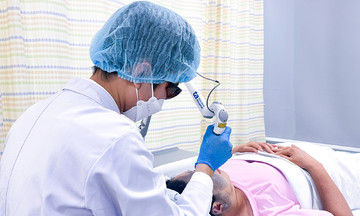
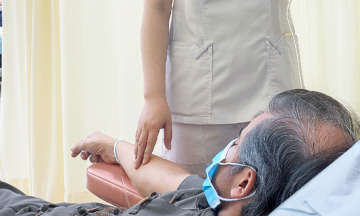
Doctor Phuong examines a patient. Illustration: Tam Anh General Hospital |
Hepatitis D is a serious infection. Without timely medical intervention, it can lead to complications such as cirrhosis, liver failure, and hepatocellular carcinoma. Some cases of acute hepatitis D may resolve on their own without medical treatment. Patients need to protect their liver and overall health to recover and improve liver function. For chronic hepatitis D, doctors may prescribe specific antiviral medications alongside treatment for chronic hepatitis B.
Individuals experiencing suspected hepatitis D symptoms such as fever, abdominal pain, nausea, vomiting, loss of appetite, dark urine, pale or gray stools, jaundice, or yellow eyes should consult a doctor for proper diagnosis and treatment. These symptoms typically appear within 3 to 7 weeks after the initial liver infection and worsen depending on the disease's severity.
Currently, there is no specific vaccine for hepatitis D. However, the risk of co-infection with hepatitis D and hepatitis B can be managed by receiving the hepatitis B vaccine. Annual health check-ups help detect hepatitis D or other viral hepatitis types, allowing for timely disease control and complication reduction.
To prevent hepatitis D, individuals should limit alcohol consumption and avoid excessive intake of processed and fast foods, which contain unhealthy fats detrimental to liver health. It is crucial not to share personal items, especially those that may come into contact with blood, such as razors, toothbrushes, and combs. Using medical gloves when touching others' wounds and practicing safe sex by using condoms also contribute to preventing hepatitis D.
Master, Doctor Huynh Hoai Phuong
Center for Endoscopy and Endoscopic Gastrointestinal Surgery
Tam Anh General Hospital, TP HCM
| Readers can submit questions about digestive diseases here for doctors to answer. |