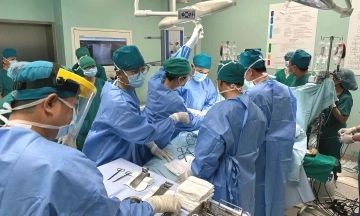
Cancer is now the leading cause of death globally, surpassing other non-communicable diseases such as cardiovascular disease, stroke, and diabetes. Doctor Diep Bao Tuan, Director of Ho Chi Minh City Oncology Hospital, announced this at a scientific-technical conference on 15/5. Worldwide, cancer claims over 26,000 lives daily, while cardiovascular diseases, which were previously the top cause for many years, account for approximately 25,840 cases.
In Vietnam, approximately 180,000 new cancer cases and 120,000 deaths are recorded each year. The Ministry of Health estimates that over 400,000 people have been living with cancer nationwide over the past five years.
While Vietnam's new cancer incidence rate is not high globally, its mortality rate is concerning, according to Doctor Tuan. A primary reason for this high mortality is late diagnosis, with studies showing that 50-80% of cancer patients arrive at the hospital in stage 3 or 4. This significantly reduces treatment effectiveness, increases costs, and results in a higher mortality rate.
The aging population trend also contributes to the increasing cancer burden in Vietnam. Currently, over 11% of the Vietnamese population is above 60 years old, marking the country's entry into an aging demographic phase. Among common cancer types, men frequently develop liver, lung, and stomach cancers, while women are more commonly affected by breast, lung, and colorectal cancers.
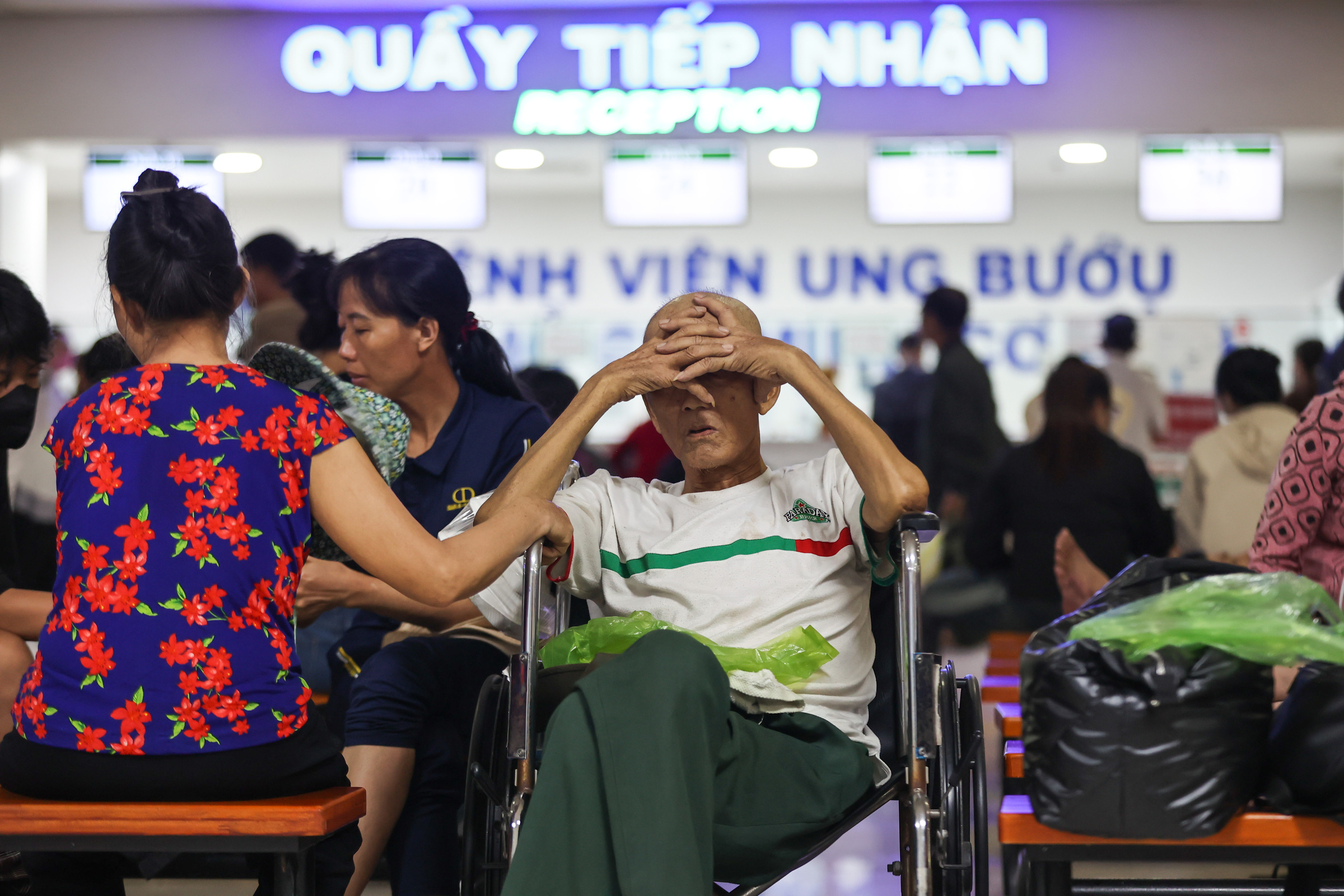 |
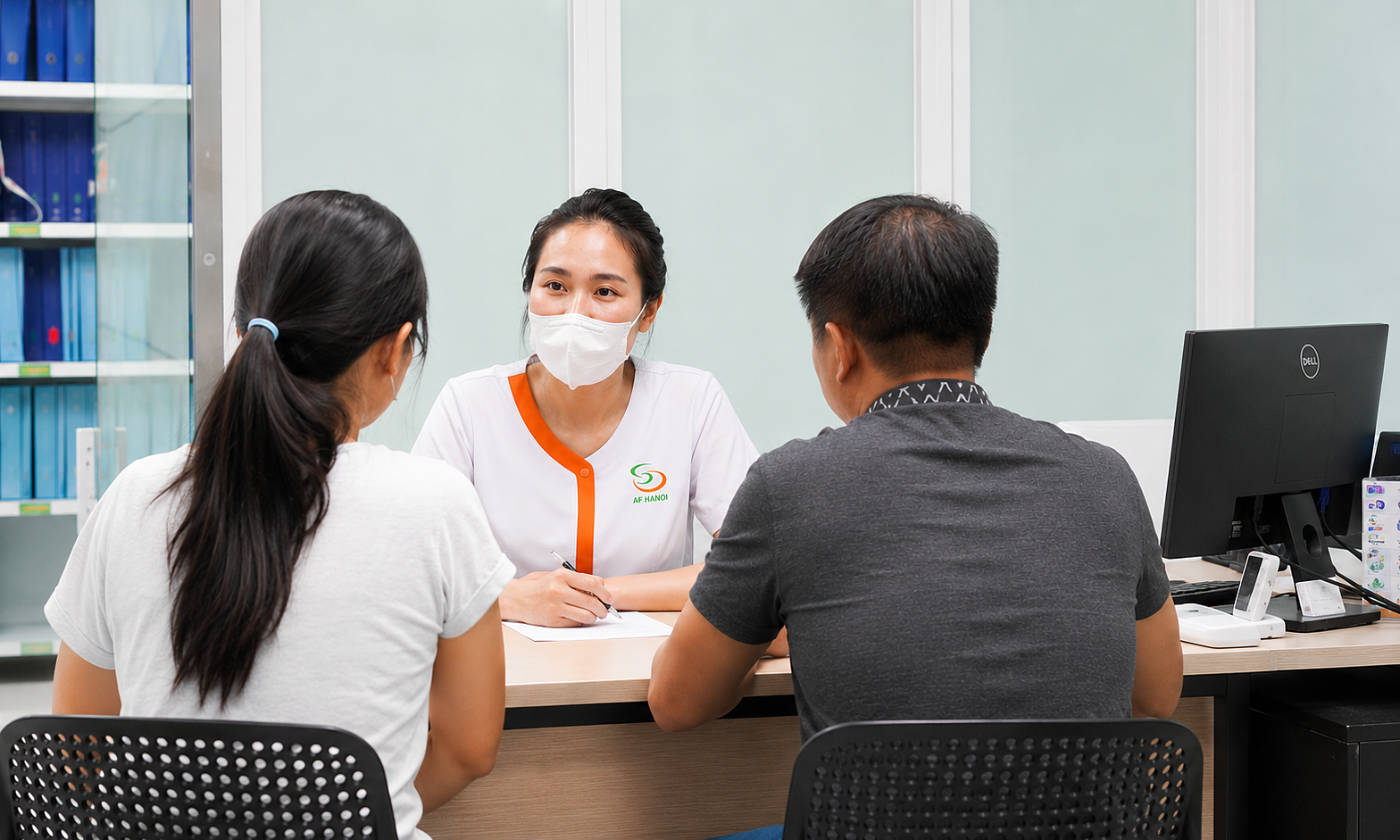
Patients waiting for examination at Ho Chi Minh City Oncology Hospital. Photo: Quynh Tran |
Vietnam's healthcare sector is currently shifting its focus from treatment to disease prevention and early detection. Ho Chi Minh City and several other provinces are moving towards establishing individual health records and implementing annual health check-ups for residents to screen high-risk groups.
Ho Chi Minh City health officials are studying Japan's Ningen Dock health check-up model, which originated in 1954. This model operates on the principle of regular examinations even when no symptoms are present. "Ningen" means human, and "Dock" refers to a shipyard. The Japanese use an analogy: just as every ship, even if undamaged, requires periodic inspection at a shipyard before and after each voyage, humans should undergo annual health check-ups to detect diseases early, even without symptoms.
Currently, Japan boasts over 1,700 facilities implementing this model, attracting approximately 3,7 million people for health screenings each year. Data from Japan for the 2016-2018 period indicates that for every 1,000 participants in the screening program, 13,7 cases of colorectal cancer and 13,3 cases of breast cancer were detected.
"Without screening, these individuals might only detect the disease at a late stage," Doctor Tuan stated. He emphasized that while everyone should have annual health check-ups, risk stratification is essential to tailor appropriate screening methods. High-risk groups, including heavy smokers, those living in polluted environments, or individuals with a family history of cancer, require closer monitoring.
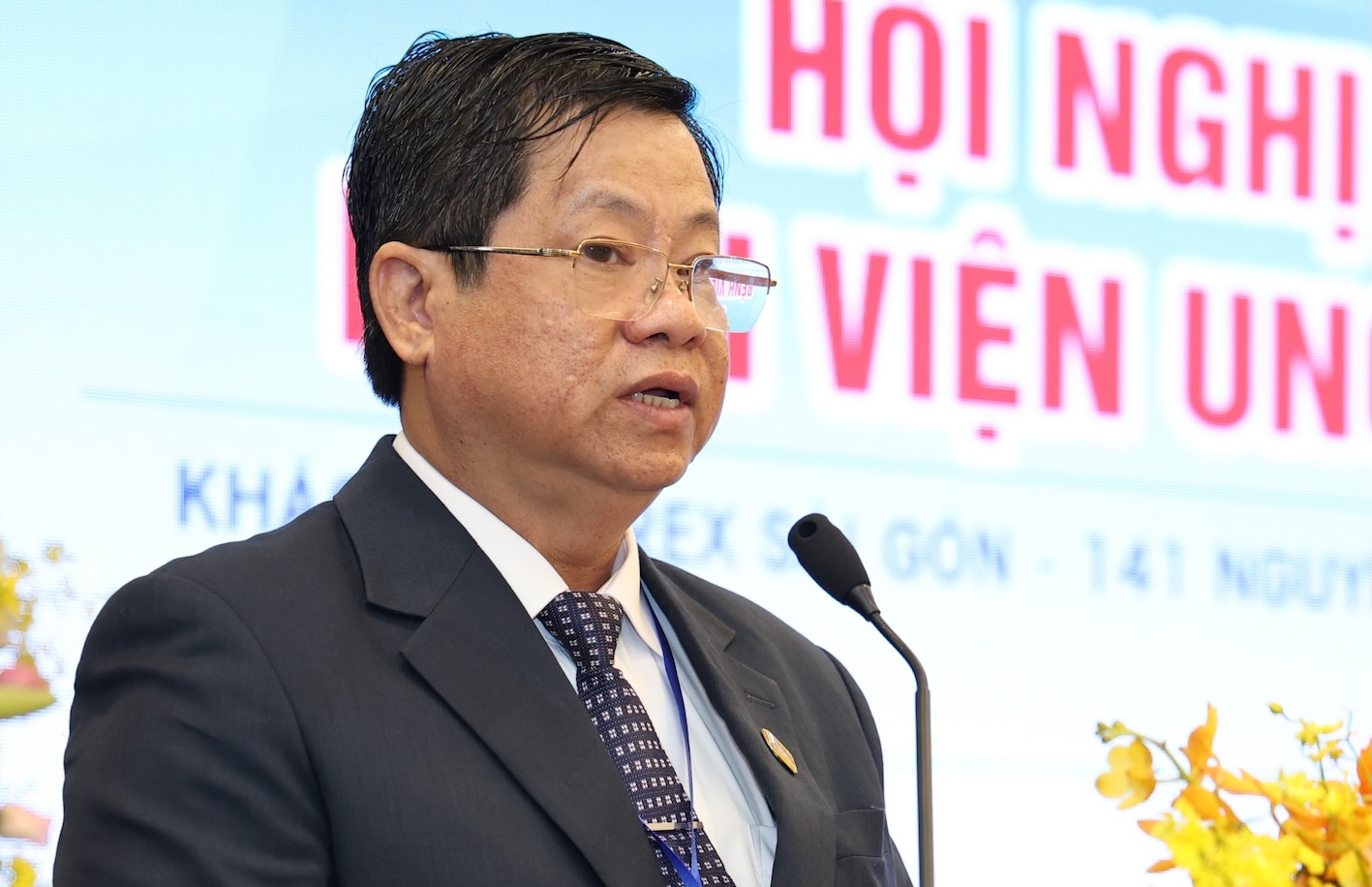 |
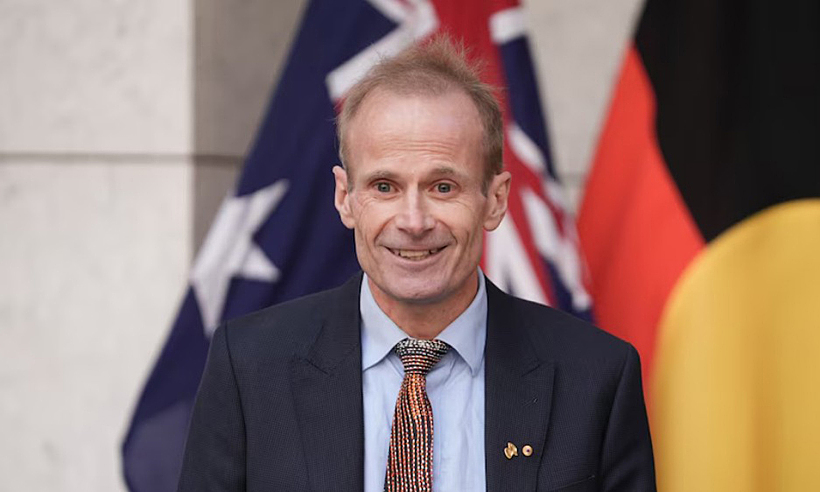
Doctor Diep Bao Tuan, Director of Ho Chi Minh City Oncology Hospital, at the scientific-technical conference on 15/5. Photo: Hospital provided |
Studies indicate that approximately one-third of cancer cases originate from gene mutations, while the remaining two-thirds stem from environmental factors. This suggests that most cancers are entirely preventable through lifestyle modifications. Recommended measures include: avoiding smoking, limiting alcohol consumption, maintaining a healthy weight, exercising regularly, adopting a healthy diet, and restricting fermented or long-stored foods.
Experts at the conference also discussed the role of artificial intelligence (AI) in cancer diagnosis and treatment. Ho Chi Minh City Oncology Hospital is currently implementing AI for radiation therapy planning, detecting HER2 gene mutations, and assisting in reading lung CT scans for early tumor detection. A radiation oncologist might spend four hours planning treatment for one patient, whereas AI can complete the same task in approximately two minutes with even greater accuracy.
Le Phuong