Atopic dermatitis is a common chronic skin condition, causing dry, itchy, red, and flaky skin, with a tendency to recur multiple times a year.
Doctor Nguyen Thi Viet Ha, from the Dermatology Department at Tam Anh Cau Giay General Clinic (Hanoi), stated that while the disease is not life-threatening, it greatly affects quality of life, leading to a loss of self-confidence, difficulty sleeping, and increased stress. Misconceptions about the condition can result in improper care, causing symptoms to recur and delaying treatment.
Atopic dermatitis is an infectious disease
Atopic dermatitis is not an infectious disease. It is a skin condition stemming from an allergic predisposition, genetic factors, the immune system, and environmental influences. Close contact, daily activities, studying, or working do not spread the disease.
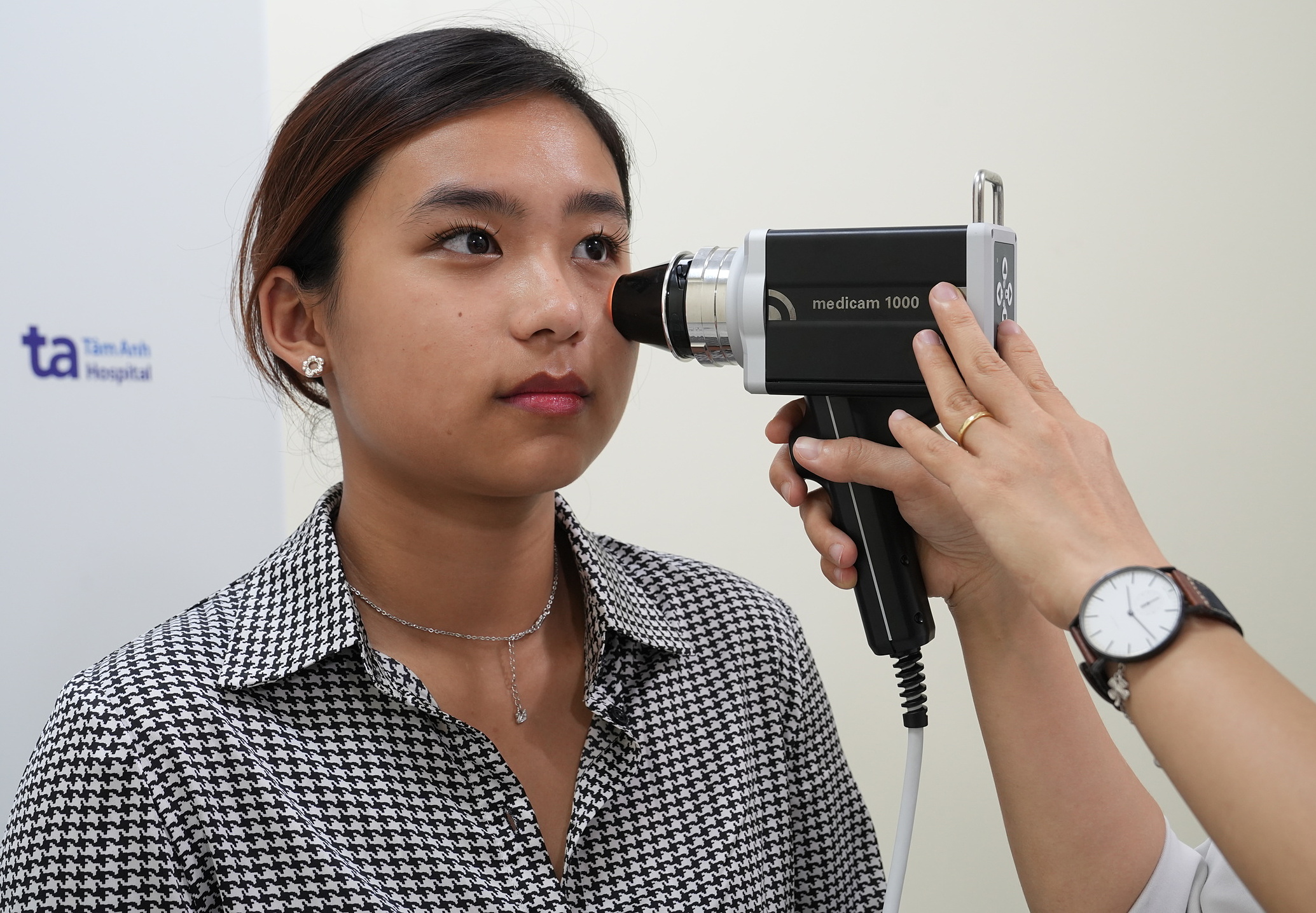 |
Examining a patient's skin to assess the condition of dermatitis. Illustration: Tam Anh General Hospital |
Poor hygiene
Poor hygiene can worsen secondary infections but is not a direct cause of the disease. Patients with atopic dermatitis often have a weak skin barrier, making them susceptible to irritation from dust, pollen, chemicals, and dry weather. Proper skin hygiene helps limit inflammation but is not a treatment.
Avoiding bathing leads to quicker healing
Some people avoid water and soap, fearing it will dry and redden their skin, leading them to limit or stop bathing. Doctor Ha advises patients to take quick daily showers with moderately warm water, use mild shower gel, and apply moisturizer immediately. Avoiding bathing allows dirt and bacteria to accumulate on the skin, leading to stronger flare-ups.
Strictly avoid corticosteroids
According to Doctor Ha, topical corticosteroids are foundational medications in the treatment of atopic dermatitis. However, many people stop the medication early or seek alternatives due to side effect concerns, causing relapses. Corticosteroids are safe when used correctly: choosing the appropriate type, applying to the correct area, and for the right duration. Adhering to the prescribed regimen ensures corticosteroids are not harmful and effectively control inflammation.
Moisturizing is ineffective
"Focusing solely on medication while neglecting moisturizing is a mistake", Doctor Ha said. She explained that moisturizers restore the skin's protective barrier, reducing dryness, itching, flaking, and enhancing medication effectiveness. Moisturizing should be maintained daily, even when the skin is stable, to limit recurrence.
The disease lasts a lifetime
Atopic dermatitis is a chronic, recurrent disease, but patients do not have to suffer for life. Many cases are well-controlled through proper skin care, lifestyle changes, and early treatment. Children with the condition often see it gradually improve as they grow. Adults who adhere to the treatment regimen can experience long-term symptom reduction.
Folk remedies can cure the disease
Doctor Ha stated that many patients arrive at the hospital late after using various leaves or topical remedies of unknown origin. These often cause more severe skin damage, making treatment complex and costly. There is no scientific basis to suggest these methods can completely cure atopic dermatitis; they even pose risks of infection and skin irritation.
Only affects the skin
Atopic dermatitis not only damages the skin but also affects the entire body. Persistent itching disrupts sleep, reduces concentration, and causes fatigue and anxiety. The disease is also linked to other allergic issues, such as allergic rhinitis and bronchial asthma.
Doctor Ha recommends that patients combine multiple measures: adhering to medical treatment, regular moisturizing even when the skin is normal, avoiding irritants like cleaning chemicals, dry weather, and pet dander, maintaining a healthy lifestyle, getting enough sleep, and reducing stress. If atopic dermatitis affects quality of life, patients should seek early examination and treatment at a hospital.
Thanh Ba
| Readers can send questions about skin conditions here for doctors to answer |