Animal liver is rich in protein, vitamin A, B vitamins, iron, and folic acid, offering nutritional benefits when consumed correctly. However, the common belief that "eating a specific organ benefits that same organ" leads many with liver conditions to consume this food frequently, a notion that is inaccurate.
The liver plays a primary role in metabolizing food and nutrients into energy and essential compounds for life. It also functions as a crucial filter, helping to eliminate toxins from the body.
When animals are sick, infected with parasites, or have residues of antibiotics or heavy metals, their livers can accumulate these substances. Consuming unsafe animal liver risks introducing additional toxins into the body, which can significantly increase the liver's burden. These toxins can over-activate kupffer cells, resident liver macrophages, leading to the release of inflammatory substances. This process damages liver cells, potentially resulting in elevated liver enzymes, hepatitis, cirrhosis, and various other liver diseases.
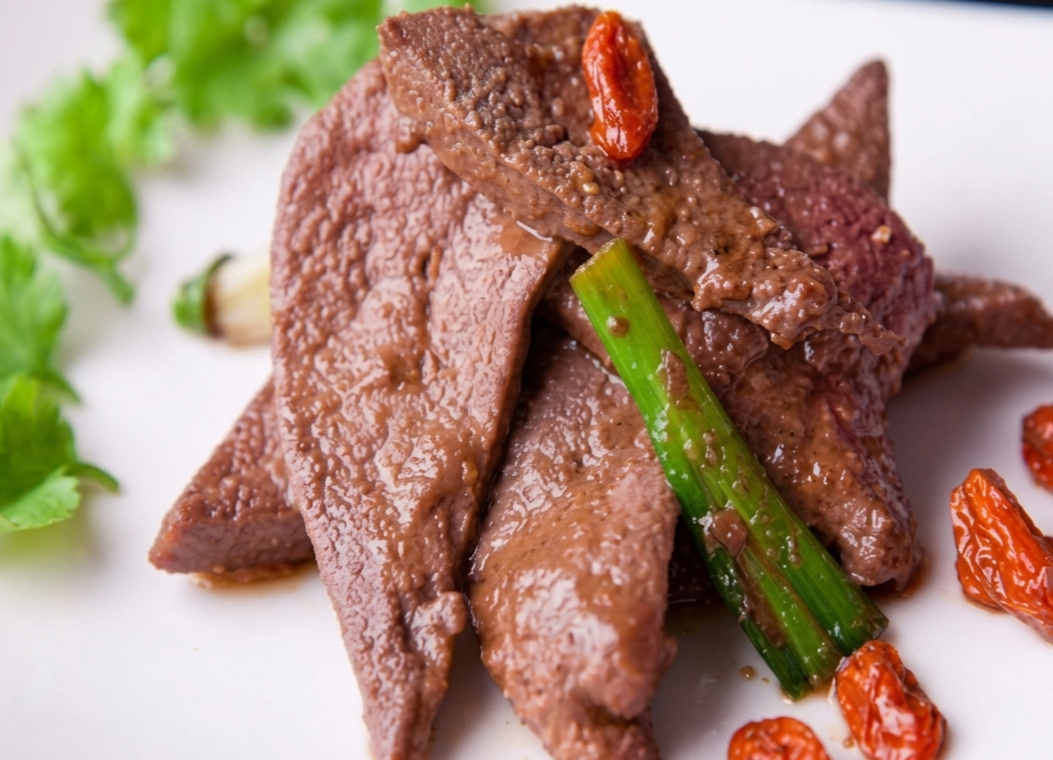 |
Animal liver contains many nutrients but should not be consumed daily. *AI-generated image* |
Animal liver contains high levels of cholesterol and purine. Therefore, individuals diagnosed with dyslipidemia, hypertension, metabolic syndrome, fatty liver, or gout should limit their consumption. Furthermore, liver has a high amount of vitamin A; frequent intake can lead to excess vitamin A, negatively affecting liver function and overall metabolism.
For healthy adults, it is advisable to consume animal liver a maximum of 2-3 times per week, with each serving not exceeding 50-70 g. When purchasing, careful selection is key: prioritize liver that is fresh red, firm, and free of unusual spots or abnormal odors. Proper preparation involves soaking the liver in diluted salt water or fresh milk to remove odors. Always cook thoroughly to reduce the risk of bacterial and parasitic infections.
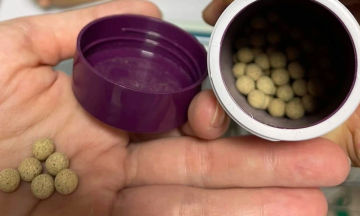
To protect your liver, maintaining a healthy lifestyle is essential. This includes limiting alcohol consumption, ensuring adequate sleep, managing weight, and exercising regularly. You might also consider natural extracts such as wasabia and s. marianum, which can help control kupffer cells, enhance detoxification capabilities, and support liver protection, thereby reducing inflammation and lowering the risk of liver diseases.
Master, Doctor Doan Vinh Binh
Medical Information Center
Tam Anh General Hospital, TP HCM