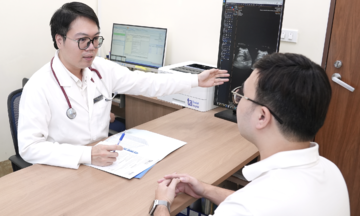
According to Dr. Dinh Tran Ngoc Mai, from the Department of Nutrition and Dietetics at University Medical Center Ho Chi Minh City, the human body requires adequate amounts of essential nutrients for optimal health.
These nutrient groups include carbohydrates, the main energy source for daily activities, essential for brain and muscle function. Protein plays a role in tissue regeneration and repair, and strongly supports the immune system, which is crucial for cancer patients who need high resistance.
Fats provide stored energy and help absorb fat-soluble vitamins such as: A, D, E, and K. Additionally, vitamins and minerals boost immunity, support metabolism, and fight pathogens. Finally, fiber improves digestive function and reduces the risk of chronic diseases, including colon cancer.
Therefore, fasting or completely eliminating important food sources like rice (carbohydrates) and meat (protein) can lead to severe energy and protein deficiencies, causing weakened immunity and muscle loss. This is particularly dangerous for cancer patients or individuals seeking to prevent the disease.
Eating habits that increase cancer risk
Dr. Mai highlighted that common unhealthy eating habits can significantly increase cancer risk. Consuming excessive red meat (such as: beef, pork, and lamb) and processed meats (such as: sausages and ham) can elevate the risk of colorectal cancer due to harmful compounds produced during digestion. Similarly, foods grilled at high temperatures or charred produce substances like acrylamide and HCAs, which can cause cell mutations.
Canned and processed foods are also a concern, as they often contain preservatives, additives, or high salt content, increasing the risk of gastrointestinal cancer. Furthermore, a diet lacking fruits and vegetables leads to a deficiency in antioxidants (such as: vitamin C, E, and carotenoids), thereby reducing the body's ability to fight free radicals, a primary cause of cancer.
Can fasting prevent cancer?
Improper fasting, especially eliminating entire essential food groups like rice (carbohydrates) and meat (protein), lacks scientific basis for cancer prevention and can cause clear harms. Negative consequences include nutritional imbalance, severe energy deficiency, weakened immunity, reduced cellular recovery, leading to muscle loss, physical weakness, and the risk of metabolic disorders.
If individuals intend to try specific fasting methods (such as: intermittent fasting), Dr. Mai advises that close guidance and supervision from a doctor or nutritionist are necessary to ensure the method suits individual health conditions and goals.
Instead of unscientific fasting practices, Dr. Mai emphasizes that the optimal solution is a healthy and balanced diet. Specifically, individuals should increase their intake of green vegetables and fresh fruits, as they contain beneficial antioxidants and fiber. Simultaneously, it is necessary to limit the consumption of red meat and processed foods, replacing them with healthier protein sources such as: fish, beans, and nuts.
Cooking methods should also be prioritized: steaming, boiling, and quick stir-frying are better than grilling or deep-frying. Using whole grains (such as: brown rice, oats, and whole-wheat bread) instead of refined grains provides fiber and sustained energy. Finally, controlling and reducing sugar and salt intake in the diet is necessary to lower the risk of inflammation and other chronic diseases.
She recommends that everyone consult a professional if they wish to adjust their diet for appropriate guidance.
My Y