Sudden changes in diet, daily routines, alcohol consumption, and sleep patterns during the Tet holiday can significantly impact sperm quality, a critical factor for male fertility.
According to Dr. Cao Tuan Anh, a specialist doctor II at the Reproductive Support Center, Tam Anh General Hospital Hanoi, sperm require approximately 72 to 90 days to develop and mature. Therefore, lifestyle habits maintained for just a few weeks can affect semen analysis results for several months afterward.
 |
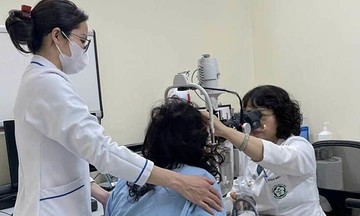
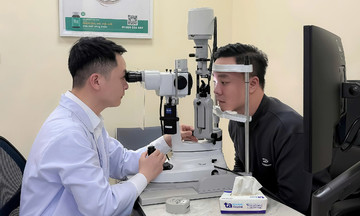
Doctor Tuan Anh consults a patient on infertility treatment. Illustration: Tam Anh General Hospital
**Frequent alcohol consumption**
During Tet, alcohol use is almost unavoidable in social gatherings and celebratory toasts. However, frequent drinking or prolonged intoxication can disrupt male hormones, reducing testosterone—a vital hormone for spermatogenesis.
Men who drink heavily face a higher risk of reduced sperm count, decreased motility, and an increased percentage of abnormal sperm. Alcohol also increases oxidative stress, damaging sperm DNA and affecting fertilization capacity and embryo quality. Doctors advise men to minimize alcohol consumption, not exceeding one to two alcohol units daily, and avoid prolonged intoxication for several consecutive days.
**Eating excessive fried foods and animal fats**
Banh chung, gio cha, thit dong, fried foods, and other dishes rich in saturated fats are characteristic of Tet feasts. However, a diet high in saturated fats and processed foods is linked to reduced sperm density and an increased risk of abnormal sperm.
Overweight and obesity, often resulting from overeating during the holiday, also increase peripheral estrogen, decrease testosterone, and impair spermatogenesis. Additionally, increased abdominal fat raises testicular temperature, which is detrimental to sperm development. Men should maintain a balanced diet, increasing their intake of green vegetables, fruits, seafood, and nuts, while limiting fried foods and red meat.
**Late nights and sleep deprivation**
During Tet, many people stay up late watching movies, socializing, playing games, or traveling extensively. Prolonged sleep deprivation reduces testosterone production and disrupts the biological rhythm of spermatogenesis. Testosterone levels peak at night, especially during deep sleep. Sleeping less than 6 hours per night can significantly decrease this hormone's concentration, leading to reduced libido and sperm quality. Experts recommend men get 7 to 8 hours of sleep daily and avoid prolonged late nights.
**Stress and lifestyle changes**
Tet is not just a time for rest; it is also a period when many individuals experience stress due to work, finances, travel, and family responsibilities. Chronic stress can increase cortisol, impacting the hypothalamic-pituitary-testicular axis and leading to a decline in spermatogenesis. Sudden changes in daily routines, reduced physical activity, or prolonged sitting during the holidays can also affect blood circulation in the genital area.
**Smoking and stimulants**
Smoking is a proven factor that reduces sperm count and quality, increasing the rate of sperm DNA fragmentation. The Tet holiday often sees an increase in passive smoking in enclosed spaces, which negatively impacts reproductive health. Other stimulants, such as high-dose coffee, energy drinks, and addictive substances, can also affect hormones and sperm quality if used excessively.
According to Dr. Tuan Anh, lifestyle changes are the first and most important step in treating male infertility. Many cases show significant improvement in sperm quality after just 3 to 6 months of adjusting diet, daily habits, and eliminating unhealthy practices.
Thanh Ba
| Readers can submit questions about infertility here for doctors to answer |