Seasonal weather changes, with unpredictable rain and sun, create conditions for bacteria and viruses to thrive, increasing the risk of rhinopharyngitis, common colds, and influenza. A common cold is an acute inflammation of the nose and throat, primarily caused by rhinoviruses. Influenza, caused by influenza A, B, and C viruses, infects the respiratory tract and spreads easily within communities. According to Eating Well, maintaining a healthy immune system can help reduce the risk of illness and limit severe symptoms.
Green leafy vegetables
Green leafy vegetables such as bok choy, kale, and spinach are rich in magnesium, which helps reduce inflammation. A 100 g serving of cooked spinach provides about 20% of the daily recommended magnesium intake. These vegetables also contain vitamin C, fiber, and antioxidants, all beneficial for overall health.
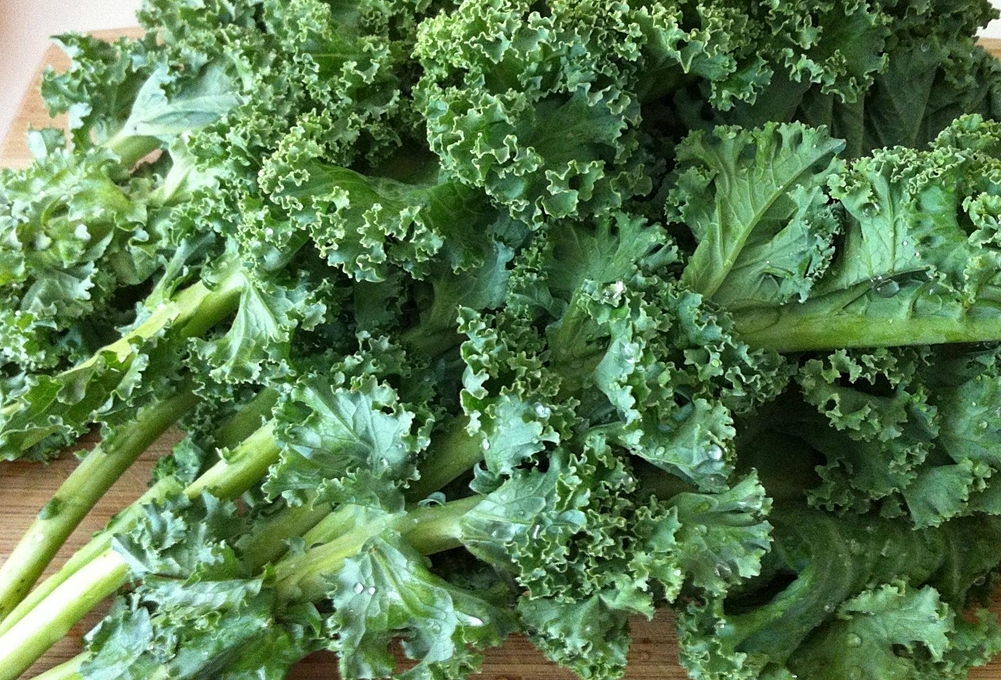 |
Green leafy vegetables are rich in magnesium, fiber, and antioxidants. Photo: Anh Chi |
Fermented foods
Gut bacteria are closely linked to immune function. Beneficial bacteria, abundant in fermented foods like yogurt, kimchi, and sauerkraut, contribute to a diverse gut microbiome. They support the body's production of antibodies, such as IgA, which helps limit harmful agents from entering the body.
Fatty fish
Salmon, sardines, and herring are rich in omega-3 fatty acids, which reduce inflammation and boost immunity. Omega-3s help maintain cell membrane stability and immune function.
Additionally, fatty fish provide protein and vitamin D, crucial for overall health. Adequate vitamin D levels can reduce the risk of respiratory infections. Vitamin D regulates the activity of immune cells, including macrophages, and supports the production of antimicrobial peptides that protect the body.
Poultry
Poultry like chicken, duck, and muscovy duck can be prepared in various ways, such as porridge, boiled, soup, braised, steamed, or stir-fried, offering frequent variety throughout the week. Eating lean meat and removing the skin provides high-quality protein to strengthen immunity against viruses. Cysteine, an amino acid found in chicken, can thin mucus in the nasal passages, helping to clear airways.
Beyond diet, individuals should exercise for at least 30 minutes daily, reduce stress, get enough sleep, and gargle with physiological saline two times a day to protect their health.
Anh Chi (Compiled)
| Readers can submit questions about ear, nose, and throat conditions here for doctors to answer. |