Puberty
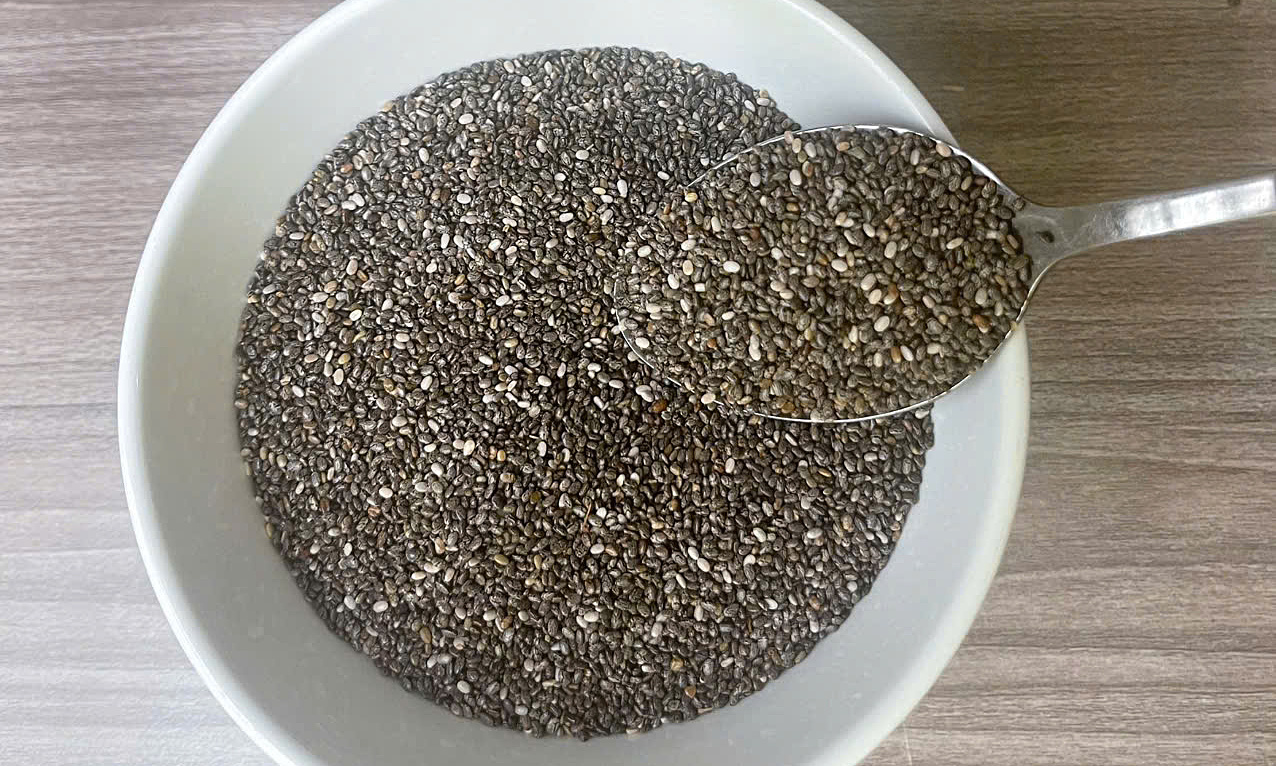
According to Healthline, a sudden increase in hormones during puberty can shorten the hair growth cycle, leading to increased shedding. This period also involves rapid body growth, increasing demands for energy and nutrients. An imbalanced diet, lacking iron, zinc, protein, B vitamins (B3, B7), or vitamin D, can weaken hair follicles, making hair prone to breakage and loss. Academic pressure, psychological changes, and prolonged late nights also affect hair health.
Postpartum
During pregnancy, elevated estrogen levels extend the hair's growth phase, resulting in thicker hair and less shedding. Postpartum, this hormone rapidly decreases, causing many hair strands to simultaneously enter the shedding phase.
Besides hormonal changes, certain thyroid disorders, such as hypothyroidism or hyperthyroidism, can also affect the hair growth cycle, leading to more hair loss.
Postpartum hair loss is usually temporary. Women should maintain a balanced diet, get adequate rest, and practice proper hair care to support hair recovery and regrowth, according to the Times of India.
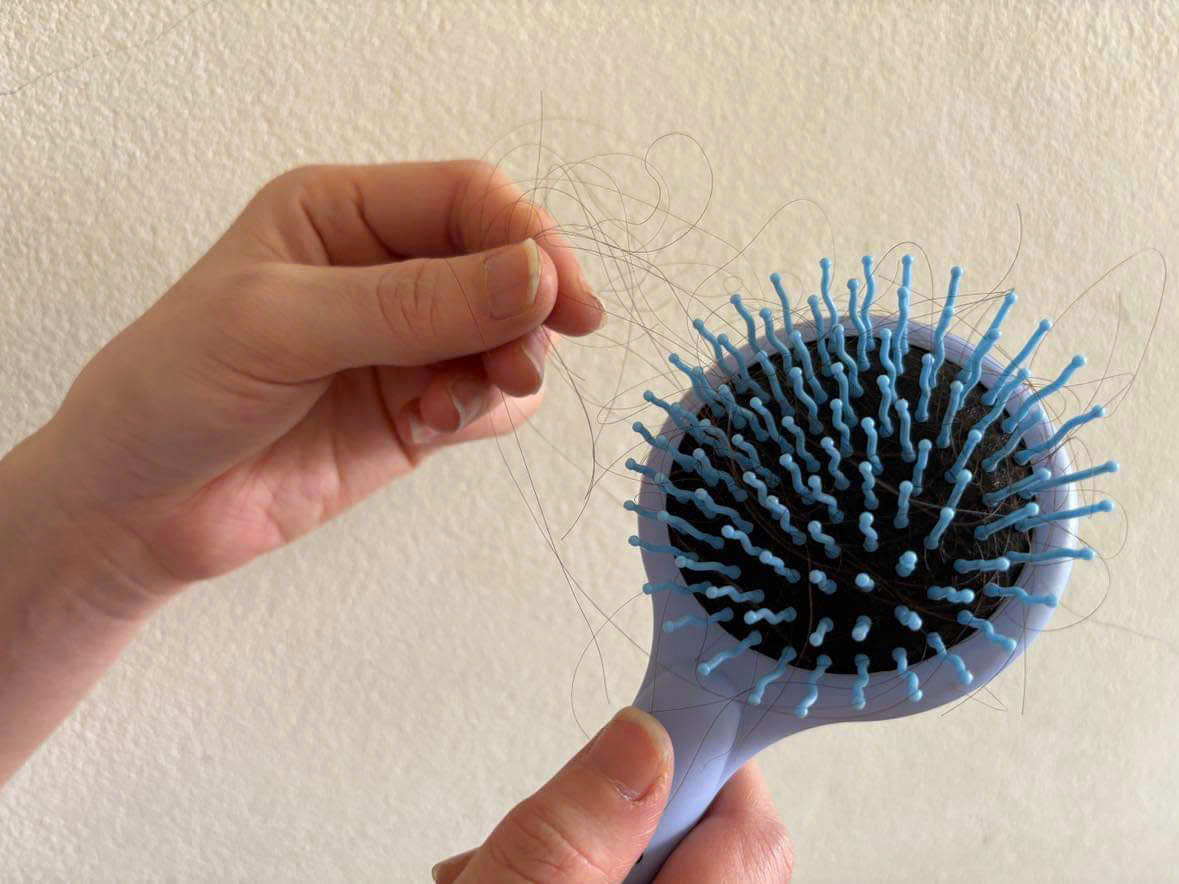 |
Significant hair loss can be due to nutrient deficiencies or hormonal imbalances. Photo: Bao Bao |
Perimenopause and menopause
According to WebMD, during perimenopause and menopause, declining estrogen levels diminish their protective role for hair follicles. This makes hair thinner, weaker, and less able to maintain its previous density. Over time, hair may gradually thin, especially on the crown or along the part.
Hormonal disorders like polycystic ovary syndrome (PCOS) are also common causes of hair loss in women. This condition often involves an increase in androgen hormones, which affect hair follicle activity and shorten the natural hair growth cycle. The result is hair that is prone to breakage, slow to grow, and difficult to recover.
Prolonged stress is another common cause of hair loss. When the body experiences mental or physical pressure, many hair follicles can prematurely enter the resting phase, leading to increased hair loss after several weeks or months. If stress is prolonged, hair becomes thin, weak, and slow to recover.
To maintain healthy hair, women should adopt a balanced diet, get sufficient sleep, and limit stress. Choosing appropriate products also helps protect hair from damage and reduces breakage.
Le Nguyen (Compiled)
| Readers can send questions about obstetrics and gynecology here for doctors to answer. |