According to Master, Doctor, Specialist Level II Ha Tuan Hung, from the Department of Nephrology - Dialysis at Tam Anh General Hospital Hanoi, acute kidney failure is the most severe complication of rhabdomyolysis. It occurs when skeletal muscle fibers break down suddenly, causing myoglobin, potassium, creatine kinase, and many metabolites to flood the bloodstream at high concentrations. These substances can obstruct renal tubules, activate oxidative stress, and exert direct toxicity on renal tubule cells, impairing kidney function in a short period.
 |
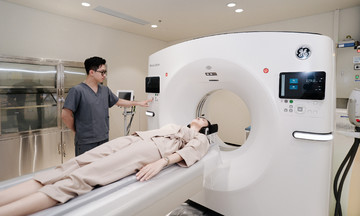
Doctor Hung examines a patient. Illustration: Tam Anh General Hospital
Rhabdomyolysis leading to kidney failure can result from severe trauma, crush syndrome, prolonged muscle compression, high-intensity exercise in a short period, or congenital muscle disorders. Certain medications, especially statins used to treat dyslipidemia, can increase the risk of rhabdomyolysis if used long-term, at incorrect dosages, or in combination with interacting drugs. Additionally, dehydration, infection, alcohol poisoning, and drug abuse can worsen the condition.
Doctor Hung states that the initial symptoms of rhabdomyolysis are often vague and easily confused with common muscle aches, leading patients to be complacent. Patients may notice dark urine, like strong tea or cola, due to myoglobin being excreted through the kidneys, accompanied by muscle pain, swelling, weakness, fatigue, or nausea. As kidney function declines, urine output significantly decreases, potentially leading to anuria. Many patients arrive at the hospital when complications have already appeared, making treatment more challenging and increasing the risk of acute kidney failure.
Without timely intervention, patients may require emergency dialysis or even long-term hemodialysis. Beyond kidney damage, rhabdomyolysis also causes electrolyte imbalances, especially hyperkalemia, which can lead to cardiac arrhythmias, cardiac arrest, or shock. Some cases report prolonged muscle pain, impaired mobility, compartment syndrome, or coagulation disorders, complicating the disease's progression.
According to Doctor Hung, treating acute kidney failure caused by rhabdomyolysis primarily aims to limit progressive kidney damage and stabilize electrolyte imbalances. Patients typically receive aggressive fluid resuscitation, close monitoring of kidney function, and discontinuation of medications that pose a risk of muscle damage or are nephrotoxic. In severe kidney failure, doctors may prescribe medication, fluid replacement, or dialysis to eliminate toxins, manage cardiac arrhythmias, and address associated complications. After recovery, patients still require regular follow-up appointments to assess kidney function and prevent recurrence.
The doctor advises individuals experiencing abnormal symptoms after high-intensity exercise or trauma, especially dark urine, prolonged muscle pain or weakness, or strenuous labor without adequate hydration, to seek early medical attention. Timely treatment and maintaining a healthy lifestyle help reduce the risk of acute kidney failure and long-term complications caused by rhabdomyolysis.
Thu Giang
| Readers can submit questions about kidney disease here for a doctor's response |