Eng English
China 中国人

Eng English
China 中国人
  • News
  • World
  • Business
  • Entertainment
  • Sports
  • Law
  • Education
  • Health
  • Lifestyle
  • Travel
  • Science
  • Digital
  • Automobiles
  • Trở lại Thể thao
  • Health
Sunday, 16/11/2025 | 09:01 GMT+7

Why cold weather easily increases blood pressure?

Falling temperatures can cause erratic blood vessel constriction, leading the body to retain salt and water, which results in a more pronounced blood pressure increase, especially in older adults and those with pre-existing conditions.

Master, Doctor Tran Quoc Viet, from the Cardiology Department at Tam Anh General Hospital Hanoi, stated that northern Vietnam is transitioning from autumn to winter, marked by erratic temperature changes. This period often sees blood pressure fluctuations, particularly in older adults or individuals with hypertension.

This phenomenon is attributed to the direct impact of temperature fluctuations on blood vessels. In cold conditions, blood vessels constrict to conserve body heat, leading to increased peripheral resistance and a subsequent rise in blood pressure. Conversely, warmer temperatures cause blood vessels to dilate, resulting in a decrease in average blood pressure. Rapid or erratic temperature shifts can therefore trigger noticeable blood pressure fluctuations.

Furthermore, temperature shifts activate two crucial blood pressure regulatory systems: the sympathetic nervous system and the renin–angiotensin–aldosterone system (RAAS). During cold weather, the sympathetic system intensifies its activity, promoting vasoconstriction and the retention of salt and water, which elevates blood pressure. This response is particularly evident in older individuals, those with less elastic blood vessels, or patients currently on blood pressure medication.

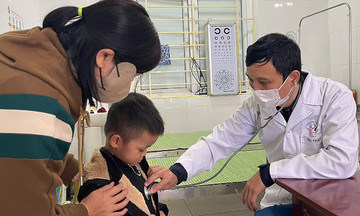
Older adults or those with multiple underlying conditions should monitor their blood pressure more frequently at home during seasonal transitions. *Photo: Tam Anh General Hospital.*

Beyond temperature, environmental factors like atmospheric pressure, humidity, and air pollution also influence blood pressure. During the autumn-to-winter transition, the risk of contracting flu and common colds often rises as changing temperatures and humidity make it harder for the body to adapt. Moreover, increased time spent indoors, in enclosed and poorly ventilated spaces, facilitates virus transmission. Infections, fever, or dehydration can easily trigger blood pressure changes.

Seasonal lifestyle adjustments also play a significant role. Extreme cold or heat often leads to reduced physical activity, an increased intake of salty or fatty foods, and modest weight gain, all of which can contribute to elevated blood pressure.

To manage blood pressure during seasonal transitions, doctors advise several key practices. Firstly, ensure your body and living spaces remain warm by dressing in layers and maintaining room temperatures above 18 degrees C, if possible, to minimize cold-induced vasoconstriction. Secondly, maintain a regular routine, engage in suitable physical activity, reduce salt intake, ensure adequate hydration, and avoid sudden cold baths. Finally, individuals undergoing treatment for hypertension must not independently discontinue or adjust their medication dosage based on perceived changes in blood pressure. All medication adjustments require direct consultation with a doctor, especially when seasonal blood pressure fluctuations occur.

Older adults and individuals with multiple underlying conditions should schedule regular check-ups and diligently monitor their blood pressure at home during critical seasonal changes. Patients should meticulously record any symptoms, such as dizziness, chest pain, or shortness of breath, along with their blood pressure readings, in a logbook or tracking application. This detailed information will enable doctors to make precise assessments.

Ly Nguyen

Readers can submit questions about cardiovascular diseases here for doctors to answer
By VnExpress: https://vnexpress.net/vi-sao-troi-lanh-de-tang-huyet-ap-4964453.html
Tags: cardiovascular hypertension high blood pressure

News in the same category

Who should limit egg consumption?

Who should limit egg consumption?

Not everyone can eat eggs regularly, right? And what diseases require limiting egg consumption? (Han, 30, Ho Chi Minh City)

Leg signs warning of arterial blockage

Leg signs warning of arterial blockage

Leg pain during walking, rapid fatigue, coldness, numbness, and unusual skin color changes may indicate circulatory problems linked to arterial blockage.

5 simple ways for women in their 40s to reduce belly fat

5 simple ways for women in their 40s to reduce belly fat

Prioritizing a balanced diet, regular exercise, and stress management helps women achieve a slimmer waist and improve overall health.

Does obesity affect adult height in children?

Does obesity affect adult height in children?

My 9-year-old child weighs 48 kg, is 1,35 m tall, and has been diagnosed with grade one obesity. Currently, the child is taller than classmates, but will they be short later? (Thanh Huyen, Bac Ninh)

Fetal arrhythmia causes heart rate to exceed 200 beats per minute

Fetal arrhythmia causes heart rate to exceed 200 beats per minute

A 32-week fetus with an arrhythmia, experiencing a heart rate over 200 beats per minute, was successfully treated via the mother and born healthy.

Tips for protecting eyes from air pollution

Tips for protecting eyes from air pollution

Using artificial tears helps keep eyes moist, reducing dryness and irritation; wearing sunglasses outdoors prevents dust.

Nearly 1,700 children receive free congenital heart screening

Nearly 1,700 children receive free congenital heart screening

Doctors from Hanoi Heart Hospital screened nearly 1,700 children for cardiovascular diseases, identifying seven cases of congenital heart disease that will receive free treatment.

Japanese professor names 10 foods that can silently destroy kidneys

Japanese professor names 10 foods that can silently destroy kidneys

Masahiro Kozuki, a leading Japanese nephrologist, warns that 10 common foods, from instant noodles and fish cakes to white bread, can damage kidneys due to high levels of salt, phosphorus, and sugar.

Smile ID campaign aims for 'the right choice' in cosmetic dentistry

Smile ID campaign aims for 'the right choice' in cosmetic dentistry

The Smile ID by IPS e.max campaign partners with leading dental clinics to spread the message of "the right choice" based on three factors: the right dental clinic, lab, and material.

Should elderly patients with a femoral neck fracture undergo hip replacement surgery?

Should elderly patients with a femoral neck fracture undergo hip replacement surgery?

My 87-year-old grandmother suffered a femoral neck fracture after a fall and has been advised to undergo hip replacement surgery. However, she has multiple underlying health conditions and is frail. Should she proceed with the operation? (Phuc Hoa, Long An)

Eng English
China 中国人
  • News
  • World
  • Business
  • Entertainment
  • Sports
  • Law
  • Education
  • Health
  • Lifestyle
  • Travel
  • Science
  • Digital
  • Automobiles
FPT Tower, 10 Pham Van Bach Street, Dich Vong Ward,
Cau Giay District, Hanoi, Vietnam
Email: contacts@vnportal.net
Tel: 028 7300 9999 - Ext 8556
Advertise with us: 090 293 9644
Register
© Copyright 2025 vnnow.net. All rights reserved.
Terms of use Privacy policy Cookies