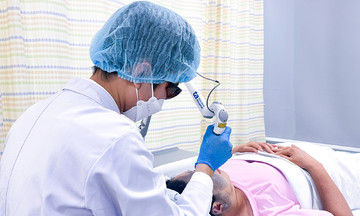
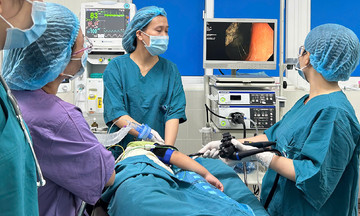
Androgenetic hair loss, a common cause of M-shaped balding, occurs when hair follicles are sensitive to dihydrotestosterone (DHT), a testosterone derivative. According to Dr. Nguyen Ngoc Tran, a first-degree specialist in Dermatology - Aesthetic Dermatology at Tam Anh General Hospital, Ho Chi Minh City, genetic predisposition causes DHT to bind to hair follicle receptors. This process gradually shrinks the follicles, leading to hair that is thinner, finer, and weaker. The forehead, crown, and temples are particularly susceptible to DHT, resulting in earlier hair loss in these areas and the distinctive M-shaped hairline.
Beyond genetics and hormones, lifestyle choices also contribute to hair loss. Prolonged stress, insufficient sleep, poor nutrition, smoking, and excessive alcohol consumption can damage hair follicles. Other factors include frequently wearing tight hats and using harsh styling chemicals. Extended exposure to blue light from digital screens also contributes to stress, impacting scalp health.
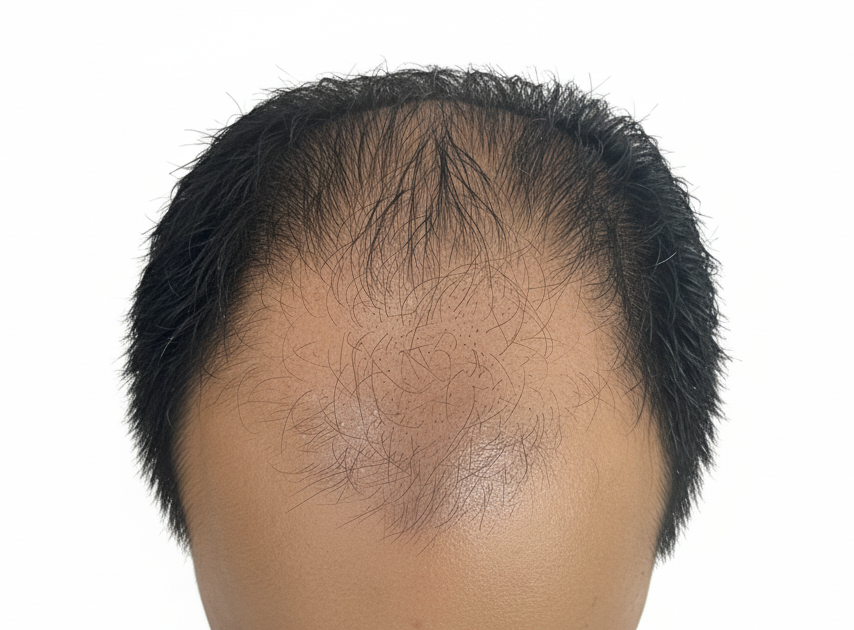 |
Men experience M-shaped hair loss due to hormonal factors. Photo created by AI |
Treating hormonal hair loss demands patience and a multi-faceted approach to restore follicles and halt balding progression, according to Dr. Tran. Oral medications are a primary treatment for androgenetic hair loss, working to lower DHT levels. However, these can have side effects. Men should not self-medicate with hormonal drugs without consulting a dermatologist for examination and ongoing monitoring. Topical or spray minoxidil offers a suitable option to stimulate hair growth and extend the hair follicle life cycle. Patients must apply it two times daily for at least 4-6 months to observe significant results, with long-term use essential to prevent recurrence.
To enhance treatment effectiveness, doctors may combine additional hair growth stimulation technologies, such as:
Injections or microneedling with PRP (platelet-rich plasma) deliver growth factors and improve scalp blood circulation.
RF microneedling or traditional microneedling creates micro-injuries, allowing nutrients to penetrate deeply and stimulating hair follicle regeneration.
Non-invasive Erbium Yag laser therapy boosts circulation and "wakes up" dormant hair follicles, promoting natural hair regrowth.
Alongside medical interventions, men should adopt a healthy lifestyle. This includes consuming plenty of green vegetables, fish, eggs, nuts, and foods rich in zinc, iron, and B vitamins. It also means limiting fast food, sweets, and alcohol. Adequate sleep and stress reduction are crucial. Additionally, avoid washing hair with overly hot water and choose shampoos free from high sulfate or alcohol content.
Men experiencing significant hair loss, particularly noticeable thinning on the forehead and temples, should consult a dermatologist. A specialist can accurately diagnose the cause and recommend appropriate treatment. While hormonal hair loss is a chronic condition, timely intervention can lead to healthier, thicker hair regrowth.
Minh Huong
| Readers can submit dermatology questions here for doctors to answer. |