While the notion that a high-salt diet harms kidneys is true, it is a misconception that an extremely bland diet and excessive water intake are always safe. In fact, overdoing either can disrupt electrolyte balance and lead to kidney failure. The core principle isn't about "eating bland or salty", but rather about finding the right balance in your diet and hydration.
Salt is vital for more than just flavor; it maintains electrolyte balance, blood pressure, and cellular function. Excessive sodium intake is linked to higher risks of cardiovascular disease and kidney failure. Conversely, insufficient salt can cause electrolyte imbalances, low blood pressure, chronic fatigue, and impair kidney function.
Similarly, individual water requirements vary based on age, physical condition, activity levels, and existing medical conditions. Consuming water beyond recommended levels forces the body to expel excess fluid, potentially leading to hyponatremia. This can manifest as headaches, vomiting, fatigue, cramps, and even brain swelling. Individuals with underlying conditions like cardiovascular disease, liver disease, or metabolic disorders face increased risks.
Generally, a bland diet or a body detox for one to two days might be acceptable, but extending it is not recommended. Before starting any specialized diet, consult a healthcare professional for advice on appropriate water and salt intake.
The rising incidence of kidney failure among younger populations largely results from unhealthy lifestyles. Many young people frequently consume fast food, overeat, lead sedentary lives, stay up late, and use stimulants, all of which contribute to weakened kidney function. Sustainable kidney protection involves a moderately bland diet, adequate hydration, limiting fast food and sugary beverages, increasing vegetable and fruit intake, and regular physical activity. Ultimately, moderation and tailoring habits to individual body needs are paramount.
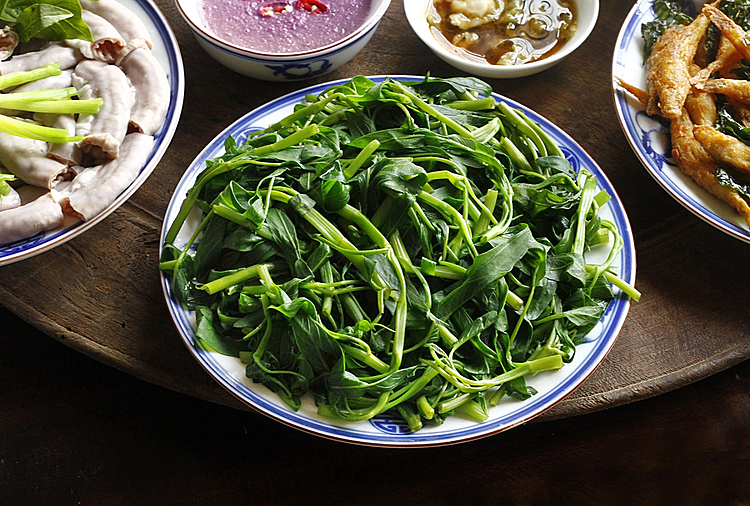 |
Eating bland but incorrectly can also harm kidneys. Photo: Bui Thuy
Associate Professor, Doctor Nguyen Trong Hung
Director of the Center for Nutrition Counseling, Rehabilitation and Obesity Control
National Institute of Nutrition