Regular sexual activity is proven to offer several benefits, including stress reduction, immune system support, and increased intimacy. However, not everyone maintains this activity consistently.
A national survey on sexual attitudes and lifestyles conducted in 2023 in the UK revealed that 16% of men and 22% of women aged 16-74 were not sexually active during the survey period.
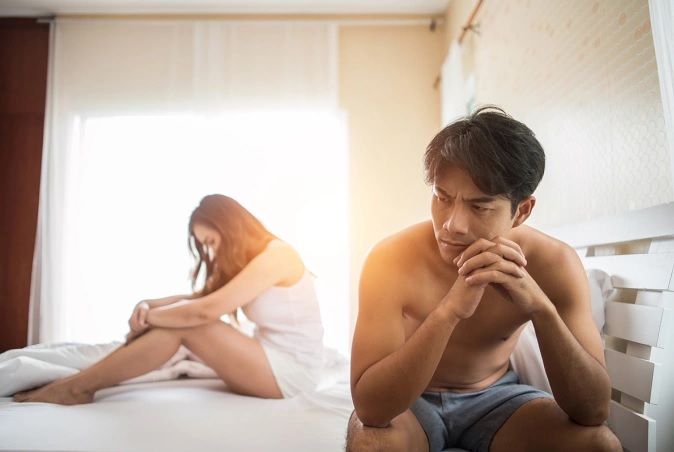 |
The body can react differently when a person stops having sex for an extended period.
Physiological impacts on women
Doctor Bhavini Shah from the online healthcare service LloydsPharmacy, UK, explains that for women, prolonged sexual inactivity can lead to vaginal dryness. This condition can make resuming sexual activity uncomfortable or painful.
"This could be a sign of dyspareunia, which is also linked to other causes such as hormonal changes, menopause, or infections," Doctor Shah clarified.
Changes in men
For men, UK relationship expert Annabelle Knight notes that spontaneous erections, including nocturnal ones, continue regardless of sexual frequency. This is a natural mechanism to maintain blood flow and penile tissue health.
However, when sexual activity ceases for a long time, the frequency of spontaneous erections may decrease. According to Knight, this is only a temporary change and will return to normal once sexual life is restored.
A 2016 analysis also indicated that men who had sex frequently (at least 21 times each month) had a lower risk of prostate cancer compared to those who had sex only 4-7 times each month.
Effects on libido and immunity
Contrary to the belief that "the more you abstain, the more you crave", some individuals find that their sexual desire actually declines when they are not sexually active for a long time.
Additionally, regular sex can support the immune system. Therapist Silva Neves, based in London, cites a study showing that people who had sex one to two times each week had higher levels of immunoglobulin A, an antibody that fights illness, compared to those who had sex less often.
Mental health aspects
Despite these physical changes, expert Annabelle Knight suggests that a temporary pause from sex is not necessarily harmful. She describes this period as a significant phase of personal development.
"Being single provides space to reconnect with your body, understand personal boundaries, and what you truly desire from intimacy," she said.
Knight observes that a "break from love" also helps the body and mind find balance, reducing constant stimulation, which can improve sleep and increase the ability to focus on other areas of life.
Nhat Minh (According to Metro)