The siesta, a practice of resting during the "sixth hour" (around noon), dates back to Roman times. This tradition once saw cities "freeze" from 2 PM to 5 PM to escape the scorching Mediterranean heat.
"The siesta was once used to promote tourism in the 1960s, but now it's a thing of the past", said Yolanda Martin, a 32-year-old teacher in Madrid. She works from 10 AM to 10 PM and rarely naps during the day. For her and many young people, a midday nap is synonymous with laziness.
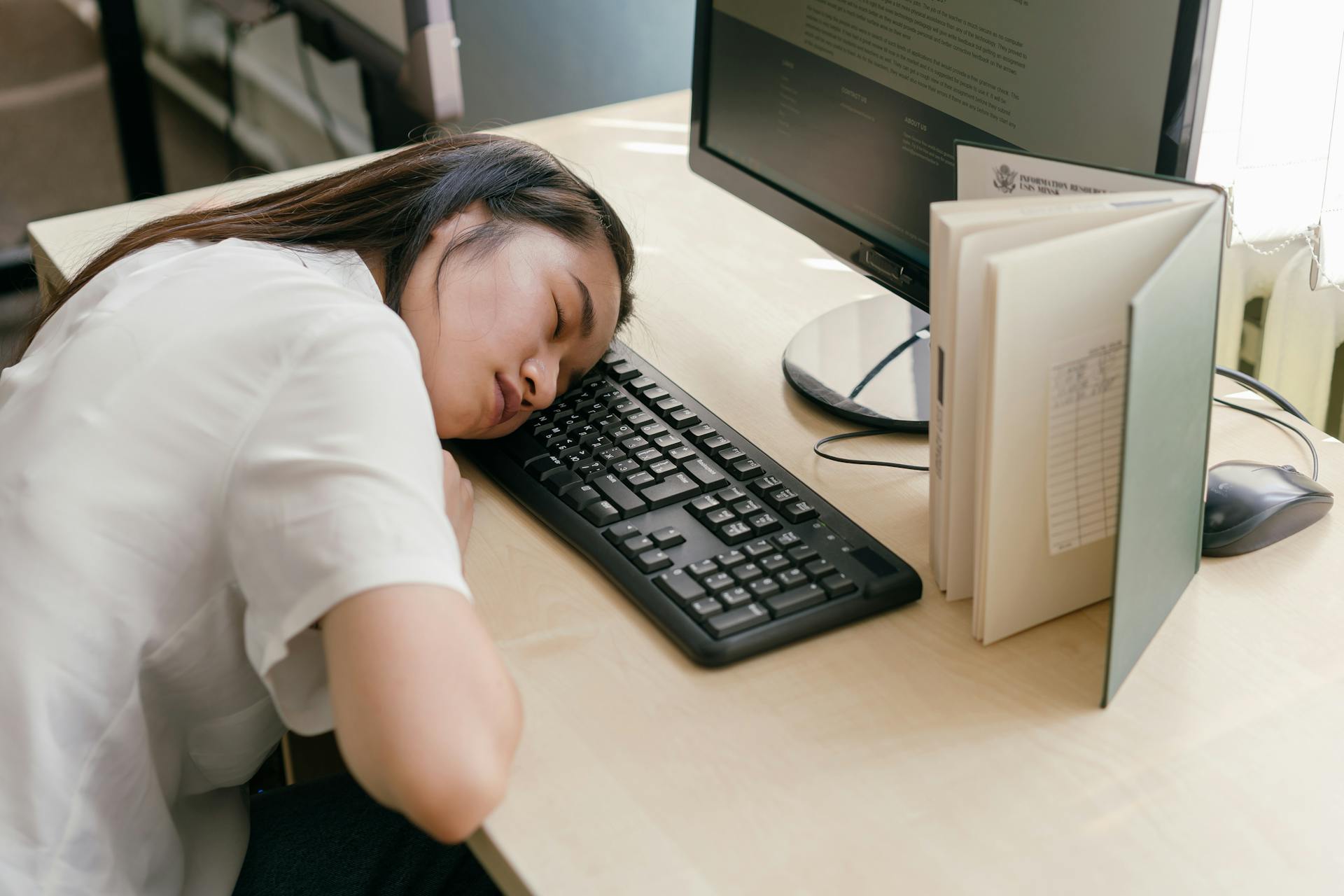 |
Illustrative image: Pexels |
In fact, a recent survey revealed that nearly 60% of Spaniards never take a siesta. In economic hubs like Madrid or Barcelona, office workers even consider the siesta a sign of unprofessionalism.
The root cause of this shift stems from a historical decision. In 1942, General Francisco Franco moved Spain's time zone to Central European Time (CET) to align with Germany, despite the country geographically sharing longitude with the United Kingdom and Portugal (GMT time zone).
This change caused clocks to run one hour ahead of the natural biological rhythm. When clocks struck 1 PM - the standard European lunch hour - the sun in Spain was only at 12 PM. As a result, people delayed their daily activities: having lunch between 2 PM and 3 PM, and dinner when the clock had already struck 10 PM.
However, the direct "culprit" in the demise of the midday nap is modern office culture. According to the OECD, Spaniards have some of the highest working hours in Western Europe.
Economic crises and competitive pressures have led to the rise of "presenteeism" (the culture of being present). Employees feel compelled to remain in the office until their boss leaves, regardless of work efficiency. "We used to go home for a siesta, but now people quickly eat at their desks or in cafes to continue working until 8 PM", shared Susana Pascual Garcia, an environmental expert in Barcelona.
Women are the most heavily affected group. Juggling household chores while adhering to extended work schedules, about 30% of married women here report a complete loss of personal time.
The consequence is that Spaniards are experiencing severe sleep deprivation. On average, they sleep about 7 hours per night, which is below the recommended minimum. Children frequently go to bed after 11 PM.
Several political efforts to return Spain to GMT and end the workday at 6 PM were proposed in 2013 and 2016 but failed due to opposition from the business sector.
Currently, long, two-hour siestas only persist in small villages in regions like Andalusia or Extremadura. In cities, some companies are experimenting with "power nap" pods to improve productivity, but these are 15-20 minute scientific naps, entirely different from the leisurely siesta culture of the past.
Ngoc Ngan (According to BBC Work Life, NPR)