On the morning of 20/11, during a discussion on three draft education laws and a draft National Assembly Resolution on breakthroughs in education and training, Representative Nguyen Van Canh (Gia Lai delegation) stated that school violence is influenced not only by family, school, and peers but also by the social environment, social media, and adult culture. Therefore, many cases of student misconduct necessitate out-of-school educational measures or support from law enforcement agencies.
Canh assessed that changing disciplinary measures would impact 23 million students, thus requiring regulation in an inter-ministerial document, as the Ministry of Education and Training alone lacks sufficient tools and resources. He proposed adding a provision to the law empowering the Government to issue disciplinary forms and their implementation roadmap, including school psychological counseling and community service, both within and outside schools, for students involved in school violence.
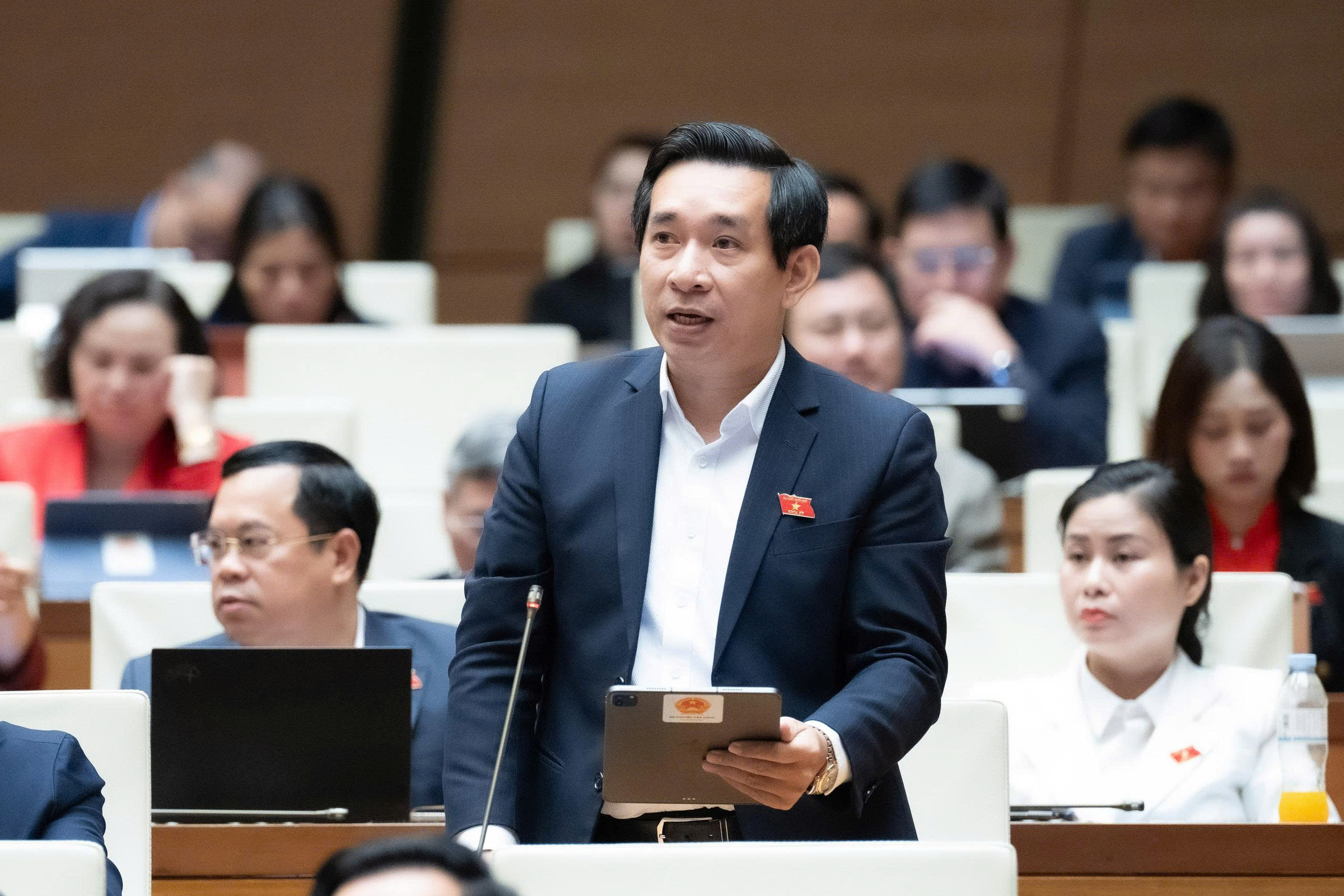 |
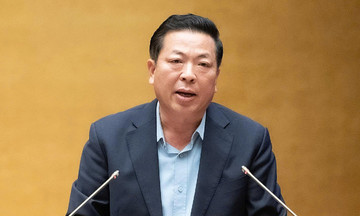
Representative Nguyen Van Canh speaking on 20/11. Photo: National Assembly Media
Canh emphasized that teachers must uphold their professional calling, parents must cooperate closely to enable teachers to perform their duties, and students must prioritize moral conduct before academic learning, showing respect for their teachers. He proposed that the law include a provision prohibiting students from insulting teachers in any form. If teachers act inappropriately, parents should address the issue through the school and relevant authorities to maintain school discipline.
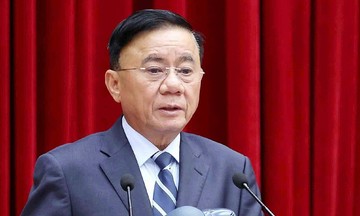
Sharing similar concerns, Professor Nguyen Anh Tri, former Director of the National Institute of Hematology and Blood Transfusion, described school violence as a pressing, distressing issue whose severity is escalating. He cited several recent serious incidents in Lao Cai, TP HCM, Ha Noi, Thanh Hoa, and Ha Tinh, illustrating that school violence has surged in incidents, becoming more cruel and malicious.
Therefore, Tri proposed incorporating a commitment to prevent school violence into a National Assembly resolution. He also called for the Ministry of Education and Training to issue a separate circular clearly defining behavioral levels and corresponding disciplinary measures, ranging from reprimands, apologies, and school suspension, to short-term education and placement in reform schools, in accordance with the Civil Code, Criminal Code, and laws pertaining to minors. He stressed that solutions must integrate efforts from families, schools, and society.
Professor Tri underscored that any new circular must safeguard students' right to learn in a non-violent environment and teachers' right to respect.
Earlier, during a discussion on 30/10, Deputy Prime Minister Le Thanh Long noted that Circular 19 by the Ministry of Education and Training, which requires students to write self-criticism reports for misconduct, aligns with international trends and ensures the continuity of the educational process. He added that disciplinary actions for students would be based on the nature of the behavior and age, potentially involving educational, community-based, or criminal/administrative legal measures.
Vu Tuan