 |
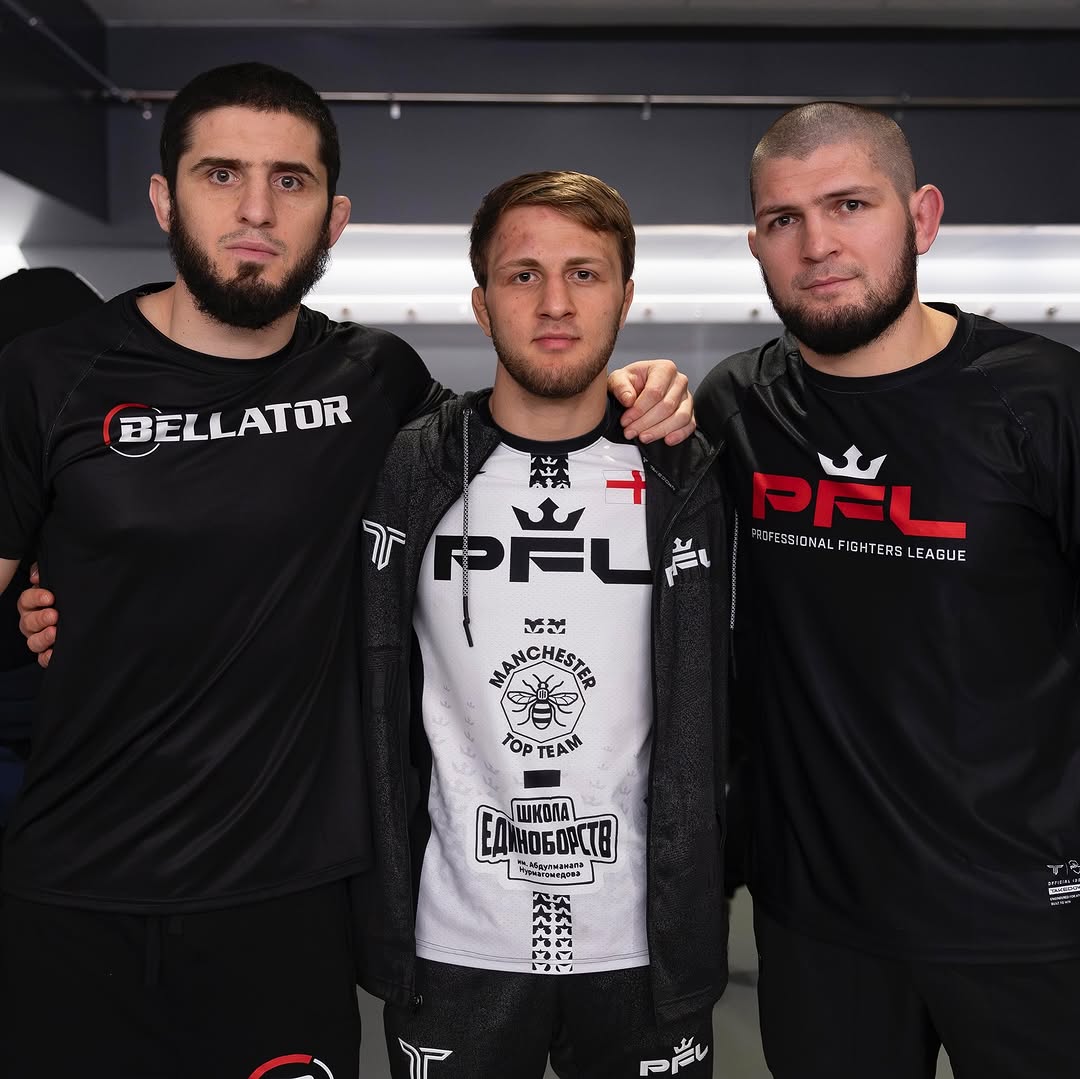
Ibragim Ibragimov (center) with Islam Makhachev (left) and Khabib Nurmagomedov during training before his fight against Kenny Mokhonoana on 25/1. Photo: Instgram / ibragim |
Ibragim Ibragimov recently extended his undefeated streak with a win over Kenny Mokhonoana, solidifying his position as one of MMA's most promising talents. Immediately after his victory, the 20-year-old fighter credited his team for their support during his preparation.
On Instagram, Ibragimov posted a photo training in Dubai with his team, including MMA legends Khabib Nurmagomedov and Islam Makhachev, who recently became the 11th fighter to win titles in two weight classes in UFC history. With the backing of such icons, Ibragimov's rapid rise, winning all nine professional fights, comes as no surprise to many.
Ibragimov is the latest name in Dagestan's "assembly line" of MMA fighters, a region that has produced superstars like Khabib and Islam Makhachev. With a population of just over 3 million people, this mountainous region in southern Russia is globally renowned for its wrestling prowess and an unyielding fighting spirit.
Currently competing in the PFL, Ibragimov believes that for Dagestanis, fighting is not merely a profession but a way of life. "There, many young men truly want to be fighters," he stated. "In Europe, many people just try to act like fighters, seeking attention on social media. But in Dagestan, we genuinely want to fight."
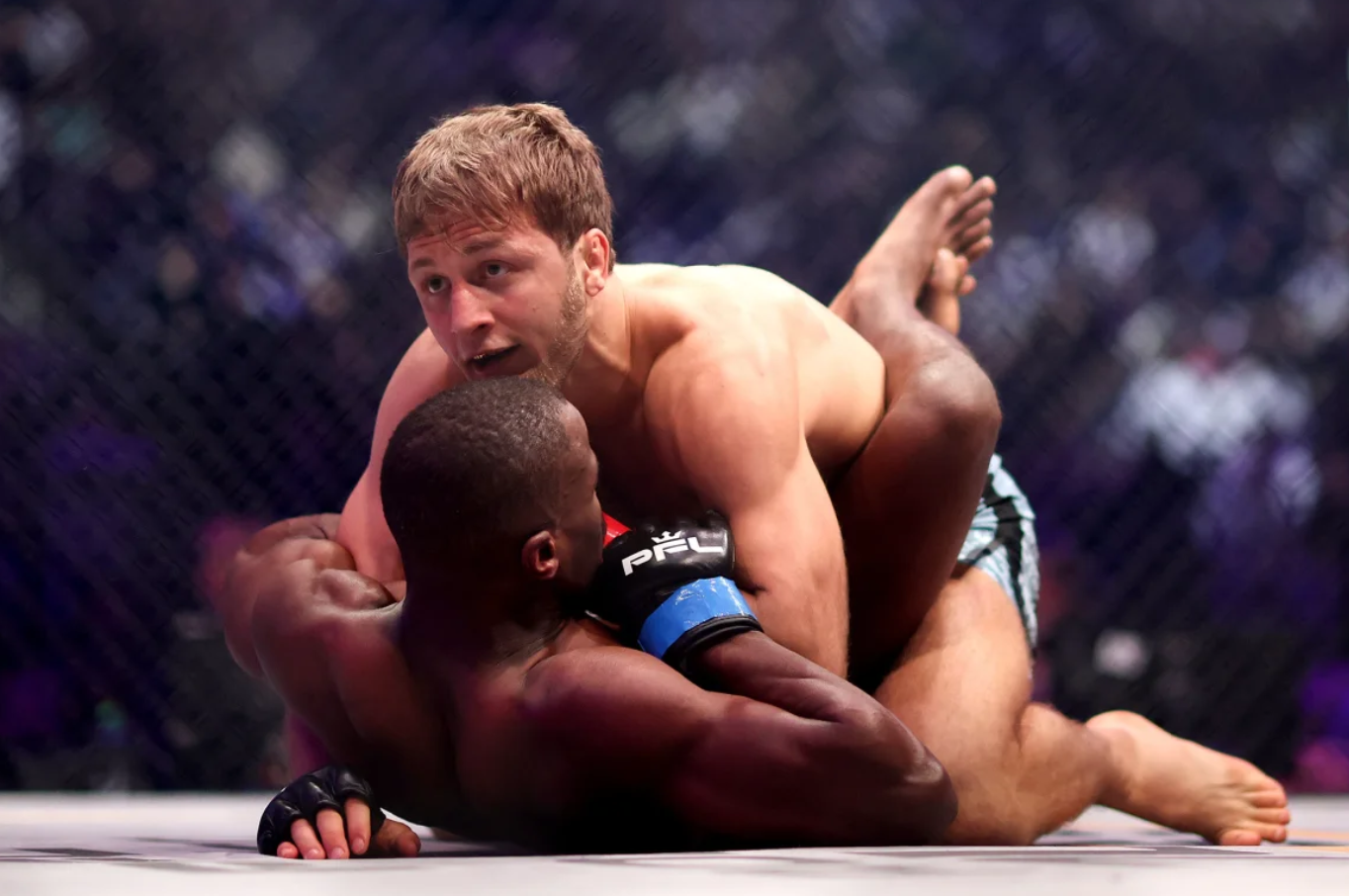 |
Ibragimov (top) is considered the next promising MMA fighter from Dagestan. Photo: CNN |
Michael Lyubimov, a veteran MMA coach who has worked with many Dagestani fighters, including Khabib, noted that most fighters from the region arrive at gyms in My with vast experience. "Many begin fighting at six years old," he explained. "By the time they come to My or compete in the UFC, they've already had over 200 fights, many of which were street fights."
According to Lyubimov, poverty, limited options, and a harsh environment make fighting the only viable path. "There are no other choices. Everywhere you look, there are 'cauliflower ears'. Fighting is part of the culture," he said, adding that he once heard a student say he would rather die in the octagon than quit.
"Cauliflower ear" is a common mark of MMA fighters, resulting from repeated impacts, blood accumulation, and cartilage deformation in the ear after prolonged training or competition.
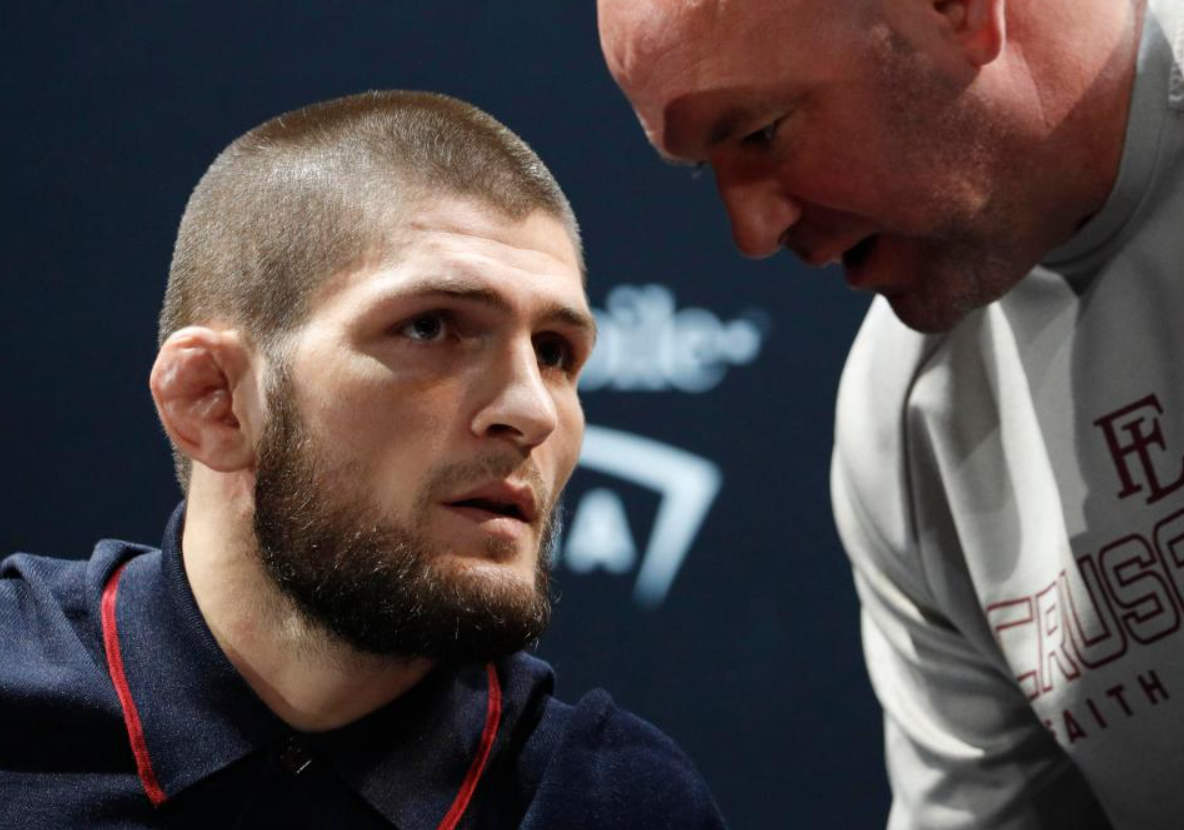 |
Khabib Nurmagomedov's deformed ear. Photo: Sun |
Another factor contributing to the mental fortitude of Dagestani fighters is their faith. The majority are Muslims, abstaining from alcohol and partying, dedicating their time to training.
Many fighters endure pain, even delaying injury treatment to secure contracts with major leagues. Lyubimov recounted witnessing Ismail Israilov, a Chechnya fighter, who nearly lost his hand in a truck accident but had over 200 street fights and won even with a dislocated shoulder in the first round.
"He said that as a child, he would carry a piece of bread in his backpack for wrestling practice, walking over one hour to get there. Sometimes, when he was too tired, he would fight in the street for training," Lyubimov shared.
Training in Dagestan differs greatly from modern gyms in My. Gyms there are managed by the state or community, mostly free until a fighter reaches a high level.
Absolute respect for coaches is also an unwavering principle. When Khabib or his father, the late coach Abdulmanap Nurmagomedov, entered the room, all fighters immediately stood up, lined up, and bowed. Disrespect would lead to immediate correction by teammates, and if a coach slapped or scolded them, they had to stand still and accept it.
Consequently, when Lyubimov takes on Dagestani fighters, he primarily refines their skills and helps them adapt to the American system, rather than teaching from scratch. "In My, the spotlight is brighter, the process more professional. They must learn about weight cutting, nutrition, medical checks, and competition rules," he explained.
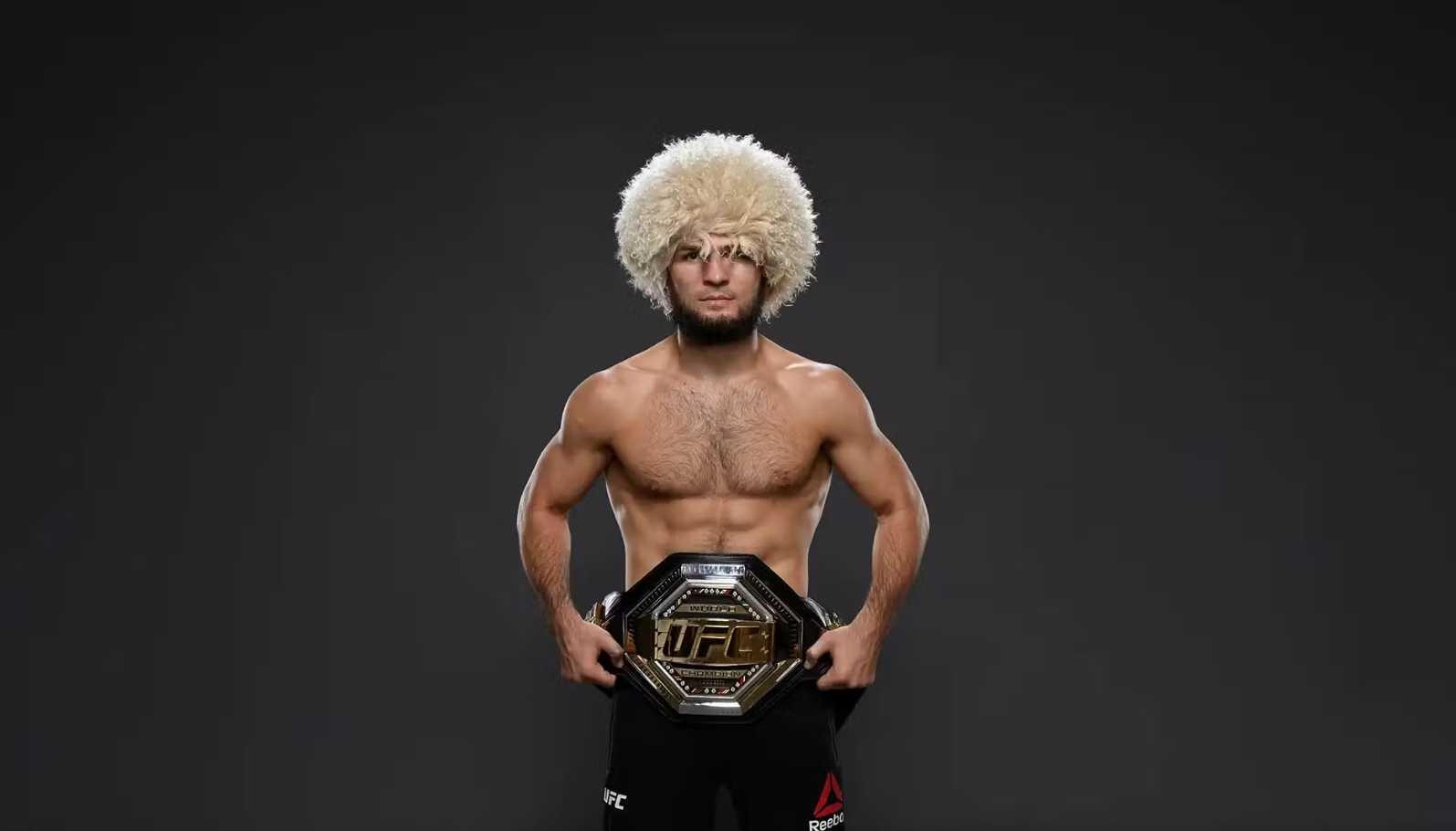 |
Khabib Nurmagomedov celebrates his UFC championship belt with his traditional papakha hat. Photo: UFC |
Khabib established the foundation for Dagestan's dominance in the West. From an unknown when he arrived in My, he rose to become the biggest name in the UFC thanks to his destructive grappling-focused wrestling style, undefeated streak, and the traditional papakha hat he always wore into the arena. His historic confrontation with Conor McGregor elevated him to global superstar status before his sudden retirement in 2020.
After retiring, Khabib transitioned to coaching, guiding the next generation of fighters, including Islam Makhachev, who is currently the world's top fighter according to the pound-for-pound rankings, which compare overall strength and skill regardless of weight class. Dagestan has also produced other champions, such as Magomed Ankalaev in the light heavyweight division.
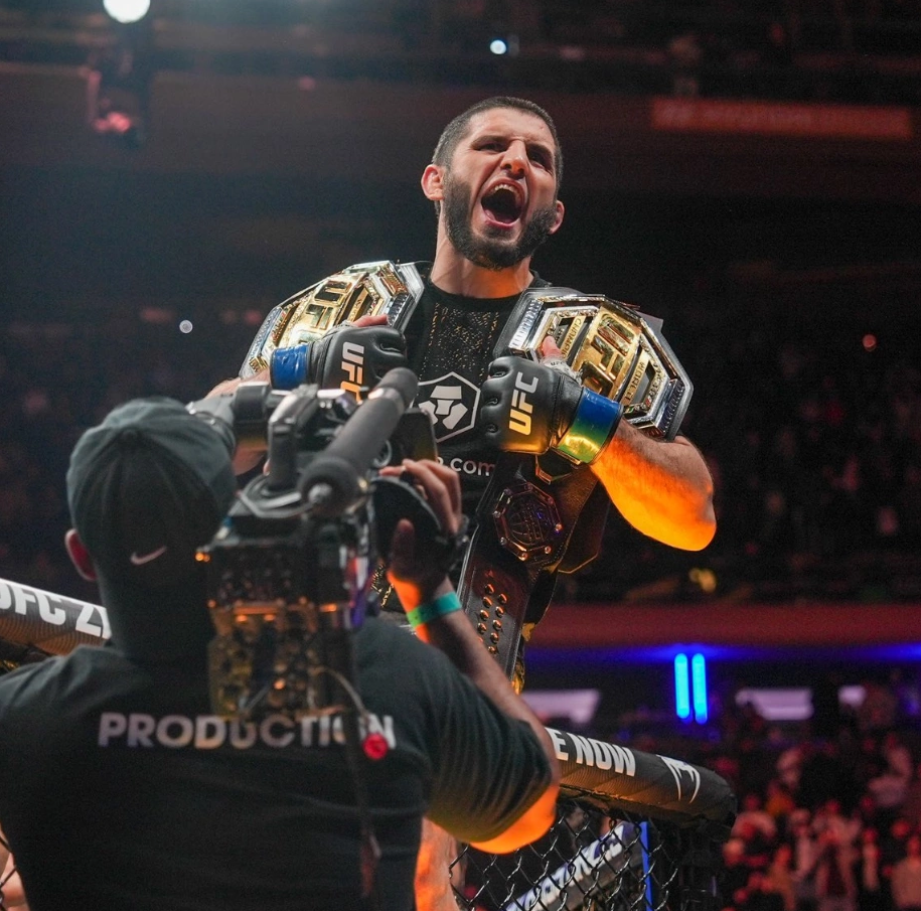 |
Islam Makhachev celebrates with two UFC championship belts after defeating Jack Della Maddalena in the welterweight title fight at UFC 322 at Madison Square Garden, New York, My on 15/11/2024. Photo: MMA Orbit |
Before his most recent fight in January, Ibragimov trained with Khabib and Makhachev in Dubai. "When training in Khabib's gym, there are no limits. Many sessions have no clock. We just train, wrestle, and roll continuously until he says to stop," Ibragimov recounted.
According to the young fighter, the journey of Dagestani talents is shortened because the previous generation paved the way and is always ready to guide them. "They have shown us the path we need to take," he said.
Growing up in Manchester, England, and having relatives in the Man Utd youth academy, Ibragimov understands his path is still long. However, with Khabib, Makhachev, and his Dagestani elders as role models, he believes he has a complete roadmap to reach the pinnacle of world MMA.
Hong Duy compiled