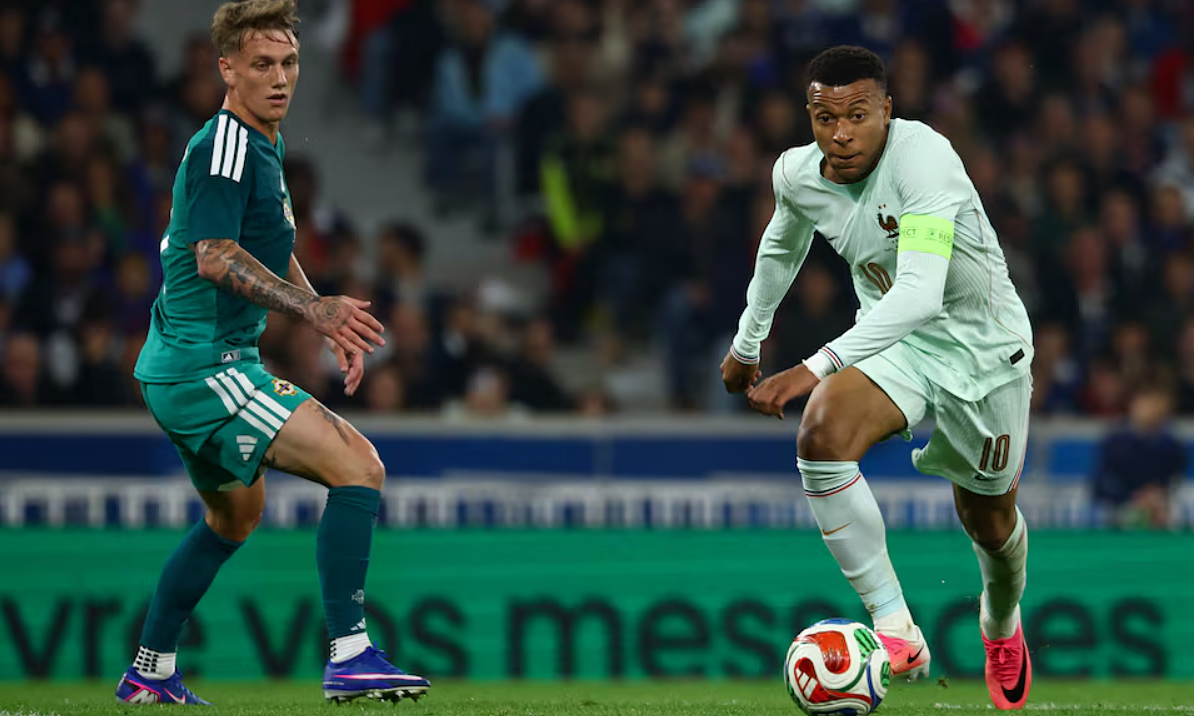
UBS's wealth management division conducted a report highlighting the football industry's growth. The tournament, set to begin on 11/6, is forecast to be the world's most economically impactful sports event.
The bank estimates about 6 billion people, three-quarters of the global population, will watch the 2026 World Cup. This figure highlights football's immense appeal, surpassing any other sport.
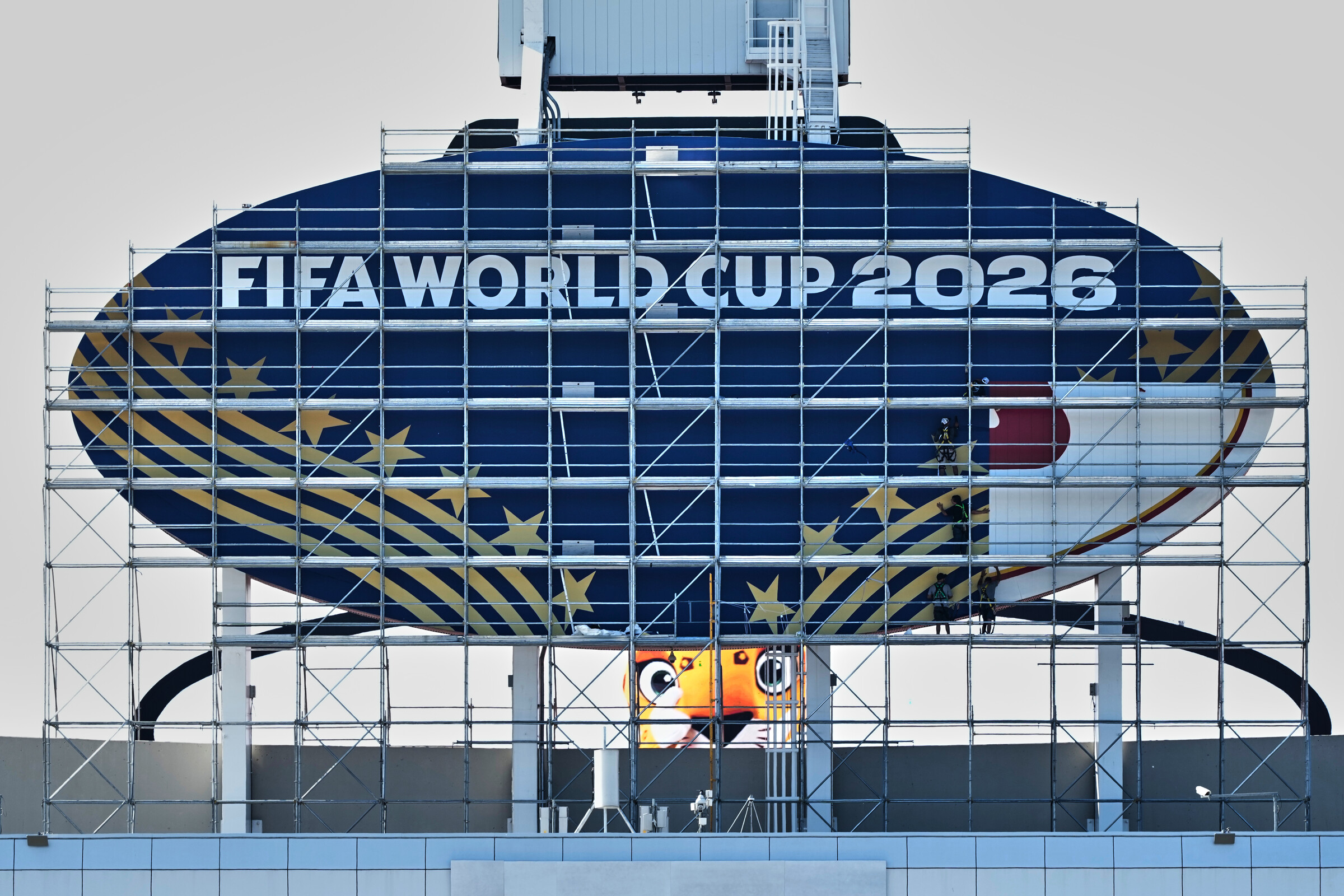 |
Workers cover the Kansas City Chiefs club sign during the renovation of Arrowhead Stadium into Kansas City Stadium for the 2026 World Cup, on 8/6/2026 in Kansas City, Missouri, US. *AP*
Beyond its viewership, the World Cup drives economic activity. The tournament could generate about 41 billion USD for global GDP across sectors like television, advertising, tourism, services, and consumption.
For comparison, Vietnam's GDP in 2025 reached 514 billion USD, according to the General Statistics Office. The World Cup's generated value would equal 8% of Vietnam's GDP, despite the tournament lasting one month and nine days.
According to the report, football is increasingly professional, diverse, and appealing to investors. With hundreds of millions participating globally, the sport has evolved from entertainment into a large-scale industry. UBS noted, "Football is becoming institutionalized, diversified, and more attractive to investors".
Switzerland's largest bank states football's growth reflects in top club business results. The 20 highest-earning teams globally achieved record total revenue of 12,4 billion euros (14,3 billion USD) during the 2024-2025 season.
This figure marks an 11% increase from the previous season, indicating strong revenue growth from television rights, commercial activities, and sponsorships. It also represents the highest revenue ever recorded for leading football clubs.
UBS also highlights a shift in professional football team ownership structures. Modern football ownership models are changing, with increasing participation from financial institutions and investors. The report states, "Ownership models in football have evolved, with a growing presence of institutional capital, minority equity investments, and more complex financial structures".
The 2026 World Cup gains appeal and commercial value by being held in Canada, Mexico, and particularly the US. Teams have increased from 32 to 48, and matches from 64 to 104. Organizers are exploring methods to boost revenue, such as extending half-time breaks, inserting advertisements during water breaks, raising ticket prices, or even selling spots for fan names on stadium screens at a premium.
Hoang An (according to Mundo Deportivo)