Federal Judge Leo Sorokin in Boston, Massachusetts, issued a 42-page ruling on 8/6, stating that the USD 100,000 payment "is essentially a tax, regardless of what the amount is called." The judge's decision came in a lawsuit filed by Democratic-led governments in 20 US states against the Trump administration in 12/2025, challenging new H-1B system policies announced by the White House in September.
Sorokin cited a US Supreme Court ruling from February, which rejected broad tariffs imposed by President Donald Trump under a national emergency law. Based on arguments from that case, Sorokin wrote that "President Trump does not have the authority to impose a tax under immigration law on H-1B visa applications."
White House spokesperson Taylor Rogers stated the federal government believes Sorokin's ruling will be overturned on appeal. "President Trump has clear legal authority to restrict the entry of any group of foreign nationals he determines is not in the best interests of America. And that is precisely what he did," Rogers said.
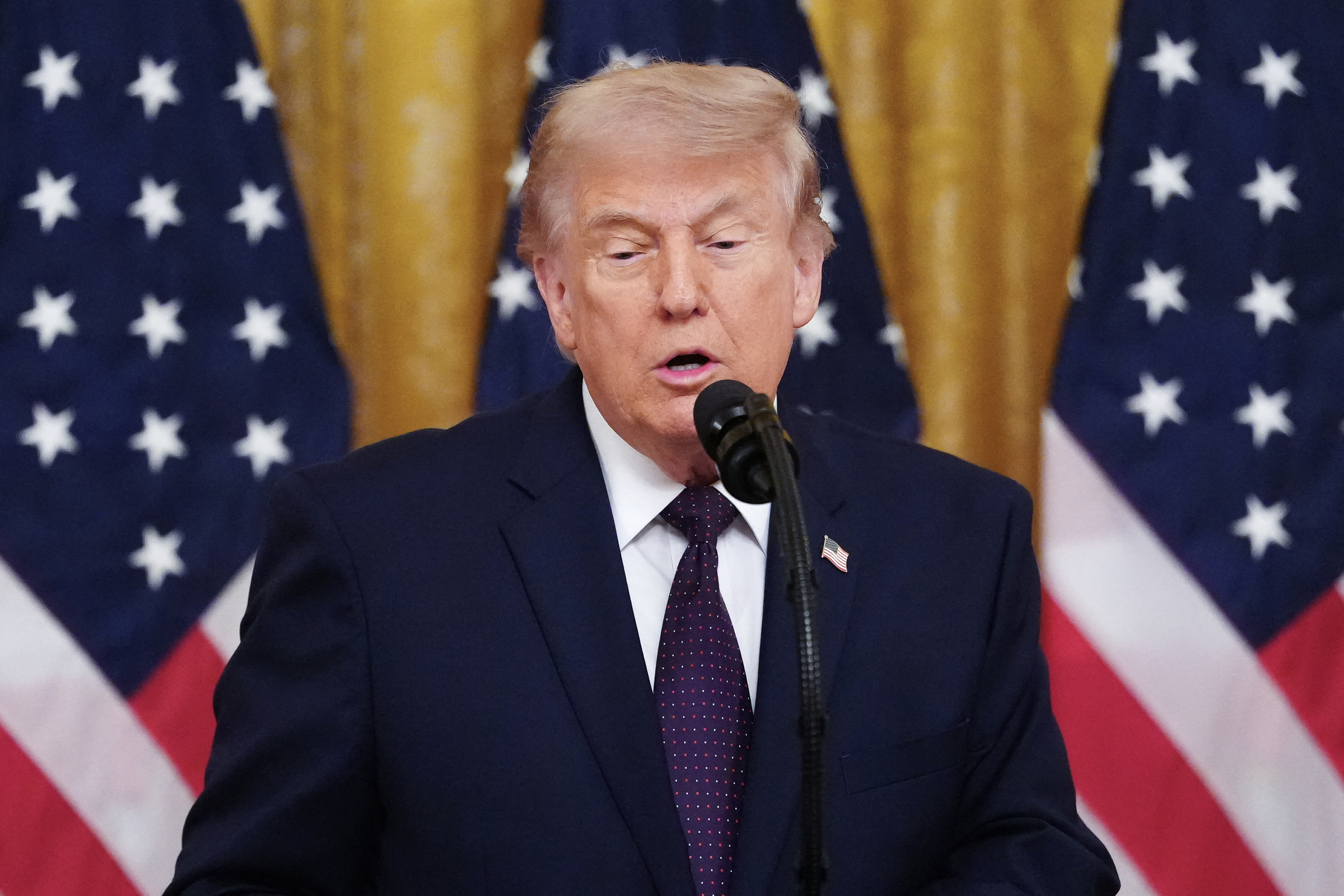 |
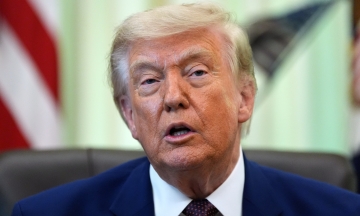
President Donald Trump speaks at the White House on 22/5. Photo: AFP |
The H-1B is a non-immigrant visa issued by the US government, allowing companies to recruit highly skilled foreign workers for specific periods. H-1B visas typically last for three years, and holders can apply for extensions or green cards. The H-1B program issues 65,000 visas annually, with an additional 20,000 for highly educated workers. Before President Trump's order, businesses sponsoring foreign workers typically paid fees of USD 2,000-5,000.
The Trump administration argued that the H-1B system had been abused to replace American workers with those willing to work for lower wages. It announced new regulations, effective from 27/2, including an order requiring businesses to pay an additional USD 100,000 per visa for fiscal year 2027. This fee did not apply to visas granted to foreign nationals already in the US on student visas, a group that often constitutes a large proportion of first-time H-1B visa recipients.
Despite the policy's enactment, few businesses paid the USD 100,000 fee. According to a court document filed in March, as of 15/2, the US Citizenship and Immigration Services (USCIS) had received only 85 payments under this fee structure.
Nhu Tam (According to AFP, Reuters, CNN)