On the night of 23/11, Iran's Foreign Ministry issued a statement criticizing Israel's strike on the residential area of Dahiyeh, a suburb of Lebanon's capital Beirut. The ministry described the attack as a "blatant violation of Lebanon's national sovereignty and territorial integrity," which resulted in dozens of civilians, including women and children, being killed or injured.
The Iranian Foreign Ministry also condemned the "cowardly assassination" of the great commander of the Lebanese Islamic Resistance Movement, Haytham Ali Tabatabai. It stated that this act constitutes a blatant violation of the November 2024 ceasefire and a gross violation of Lebanon's national sovereignty.
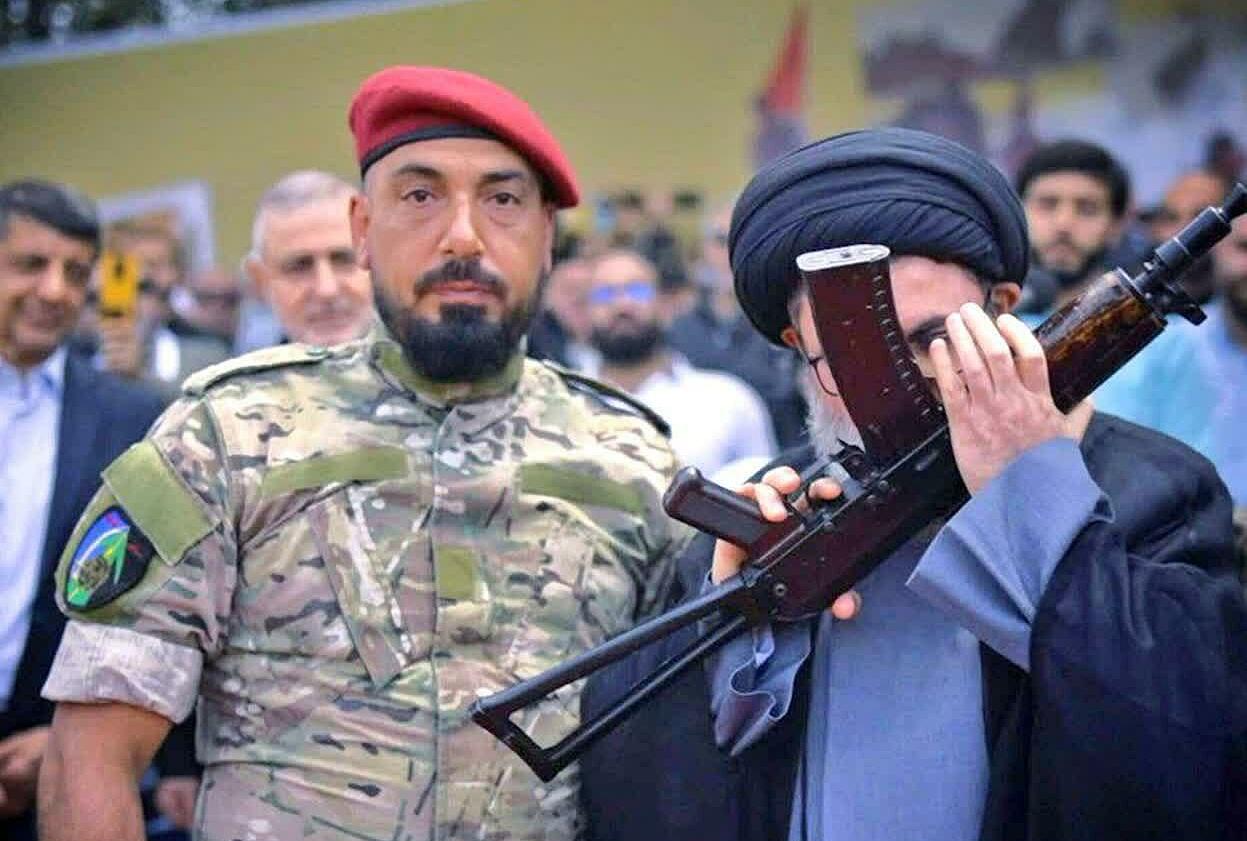 |
Haytham Ali Tabatabai (left), Hezbollah's second-in-command. *Photo: WANA*
Israeli Prime Minister Benjamin Netanyahu ordered the country's military to attack the southern Beirut suburb on 23/11, targeting "Hezbollah's chief of staff." The Israel Defense Forces (IDF) later announced that Tabatabai, Hezbollah's chief of staff, had died.
Hezbollah confirmed the strike killed "great commander Ali Tabatabai," but did not specify his title.
The Iranian Foreign Ministry, the main backer of Hezbollah, stated that Israeli leaders responsible for this "act of terrorism and war crime" must be prosecuted and punished. According to the ministry, continuous US support for Israel is a key factor enabling Tel Aviv's ongoing aggression and violations. It also emphasized the direct responsibility of those guaranteeing the ceasefire.
The Iranian Foreign Ministry also criticized the Security Council for its "unreasonable silence and passivity in the face of Israel's persistent crimes against the Lebanese people."
Tabatabai is the highest-ranking Hezbollah commander killed by Israel since the ceasefire came into effect in November 2024, which aimed to end more than one year of fighting.
The US imposed sanctions on Tabatabai in 2016, designating him as a key Hezbollah military leader and offering a 5 million USD reward for information about him. Israeli media reported that he was considered the group's second-in-command, after leader Naim Qassem.
Israeli attacks on Hezbollah over the past two years have resulted in the deaths of leader Hassan Nasrallah, most of its military leadership, and about 5,000 members. Despite the ceasefire agreement reached in late 2024, Israel frequently conducts airstrikes in southern Lebanon, citing the prevention of Hezbollah's military recovery.
By Huyen Le (AFP, Tasnim)