AP, citing anonymous US officials, reported on 14/11 that the Marshall Islands-flagged oil tanker Talara was intercepted by Iranian forces and forced to divert into Iranian territorial waters. The vessel was traveling from Ajman port in the United Arab Emirates (UAE) to Singapore.
Civilian air traffic monitoring data revealed a US navy MQ-4C Triton reconnaissance unmanned aerial vehicle (UAV) circled the area for several hours.
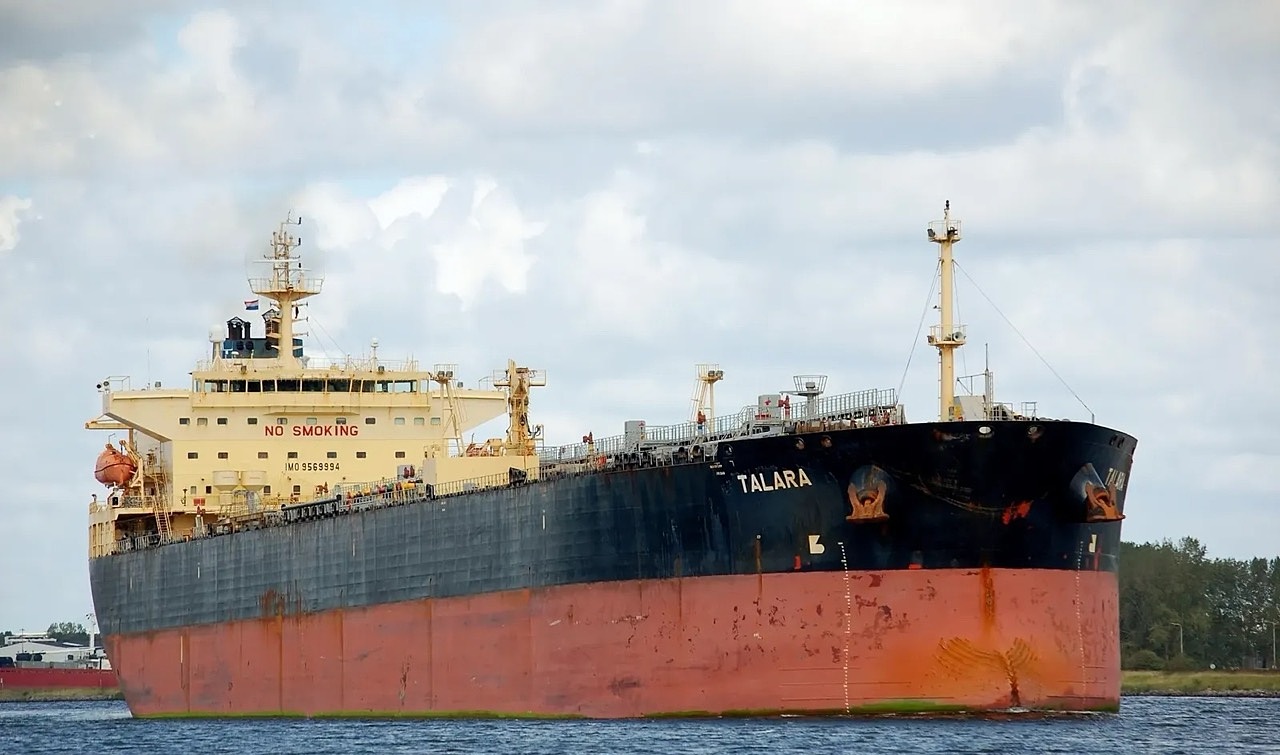 |
The cargo ship Talara at sea in 2023. Photo: MarineTraffic |
The United States Central Command (CENTCOM), responsible for US military operations in the Middle East, stated it is closely monitoring the situation. CENTCOM emphasized commercial vessels' right to free passage in the region.
The United Kingdom Maritime Trade Operations (UKMTO), operated by the British navy, reported the Talara "may have been forced to divert into Iranian territorial waters by state forces". The UK-based maritime security consultancy Ambrey described three small vessels approaching the Talara.
Columbia Shipmanagement, a Cyprus-based company managing the Talara, reported losing contact with the vessel, which was carrying a high-sulfur oil and gas cargo. The company notified relevant authorities and is coordinating efforts to re-establish communication, stating crew safety is its top priority.
Iranian officials have not yet commented on the information.
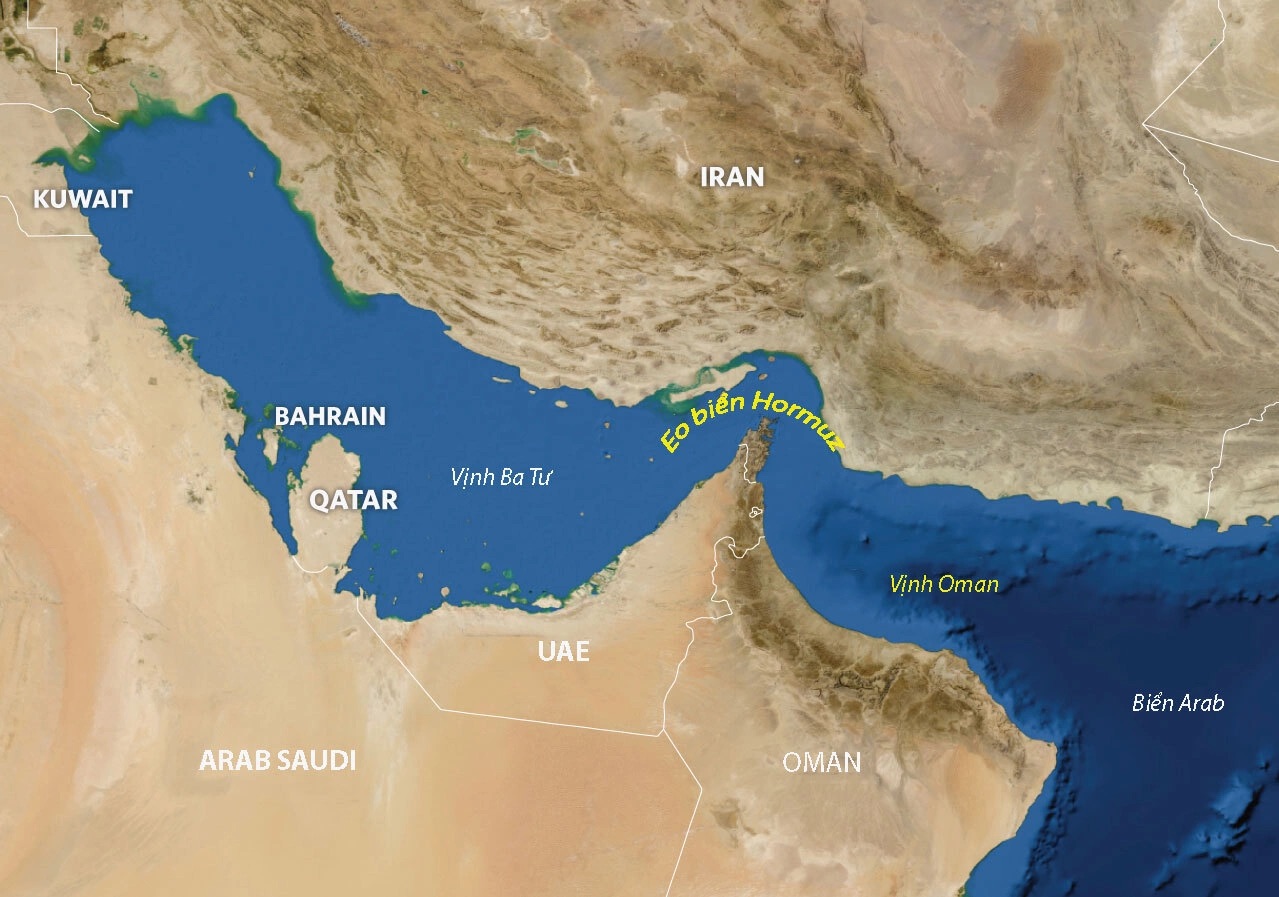 |
Location of the Strait of Hormuz, UAE, and Iran. Graphic: NASA |
Iran has previously seized commercial vessels transiting the Persian Gulf and Strait of Hormuz multiple times. Reasons cited include retaliation for earlier seizures of their own ships, accusations of territorial water violations, or illegal oil transport. The most recent Iranian seizure of a commercial vessel in the Strait of Hormuz occurred over one year ago.
Hormuz is an inverted V-shaped strait situated between Iran, the UAE, and Oman. It connects the Persian Gulf to the north with the Gulf of Oman, which leads to the Arabian Sea. The strait is 161 km long, with its narrowest point measuring 33 km, and the shipping lane in each direction is approximately three km wide.
Data from the US Department of Energy's Energy Information Administration indicates that in 2024, over 25% of the world's seaborne oil trade and 20% of liquefied natural gas production passed through the Strait of Hormuz. Saudi Arabia, Iran, the UAE, Kuwait, and Iraq are the primary exporters of oil via this route.
Thanh Danh (According to AP, Times)