Japan's 2026 budget draft, which media announced on 27/11, proposes acquiring 11 launchers for the Kai multi-purpose missile system (MPMS Kai), an upgraded variant of the Type 96. According to the document, this system will enable the Japan Self-Defense Force (JSDF) to "counter invading landing forces".
The Acquisition, Technology and Logistics Agency (ALTA) of Japan's Ministry of Defense noted that the MPMS Kai will allow simultaneous targeting of multiple landing ships at longer ranges. Similar to the Type 96, the MPMS Kai can engage both enemy warships and armored vehicles.
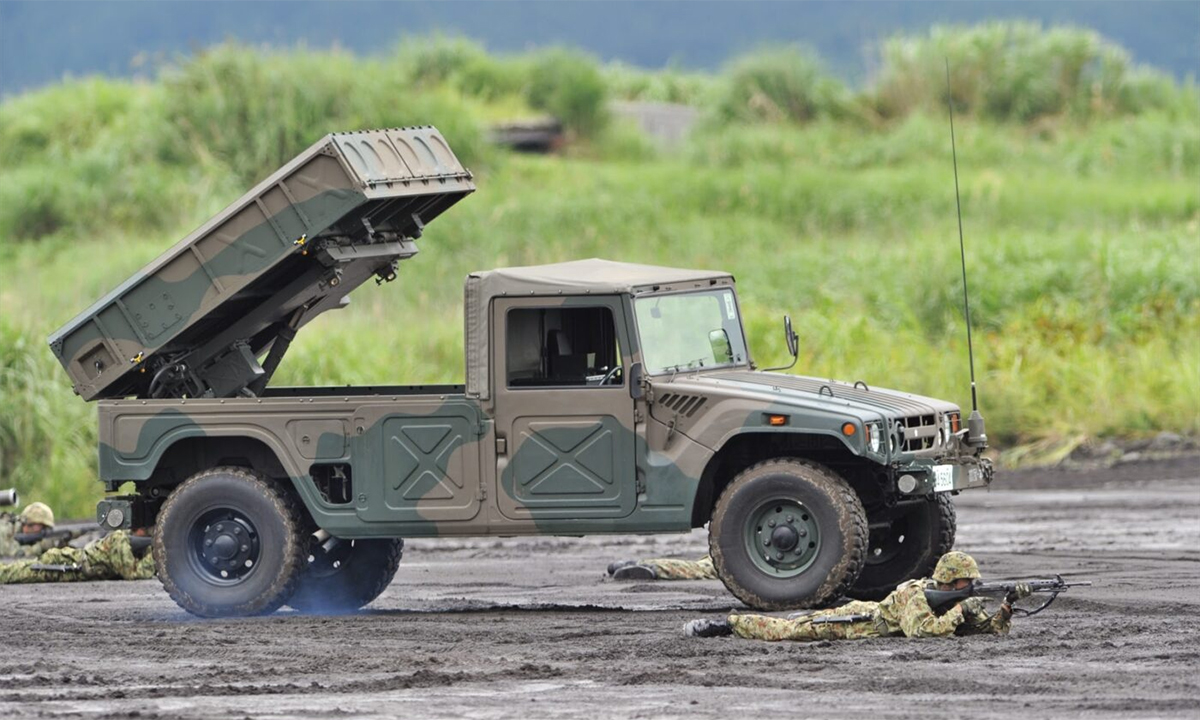 |
A Type 96 launcher during a Japan Self-Defense Force exercise in 3/2014. *Photo: JSDF* |
The 2026 budget draft also allocates funds for a synchronized, hybrid, integrated, and enhanced coastal defense concept, alongside efforts to develop specialized anti-landing unmanned systems. Japan plans to acquire 10 unmanned aerial, surface, and underwater vehicles of each type.
In addition to the Type 12 anti-ship and land-attack missiles, and a series of upcoming cruise and hypersonic missiles, Japan intends to deploy a multi-layered anti-intrusion system across its territory.
Japan has recently prioritized establishing missile bases and deploying coastal defense forces in the area near Taiwan, amidst what Tokyo describes as "serious and complex security issues" as tensions with China escalate.
Japan currently operates 37 Type 96 systems, each costing 24 million USD. Each Type 96 launcher carries 6 missiles, weighing 60 kg, powered by solid-fuel engines, and possessing a range of 10-25 km.
The MPMS Kai variant was developed to reduce costs and enhance the performance of the Type 96, including extended range, the ability to track and engage multiple targets simultaneously, counter high-speed targets, and attack from various directions. Specific technical details for the MPMS Kai have not yet been released.
Nguyen Tien (According to USNI, AP, AFP)