Since Russia's annexation of Crimea in 2014 and the launch of its campaign in Ukraine in 2022, Washington has described Moscow as a "major threat". However, in the national security strategy released by President Donald Trump's administration on 5/12/2024, the US adopted a softer tone toward Russia.
In an article published on TASS on 7/12/2024, Kremlin spokesperson Dmitry Peskov stated that the US security strategy omitted language describing Russia as a "direct threat" and called for cooperation with Moscow on matters of strategic stability.
"We consider this a positive step", Peskov said, adding that Moscow would thoroughly review the document before offering further assessment.
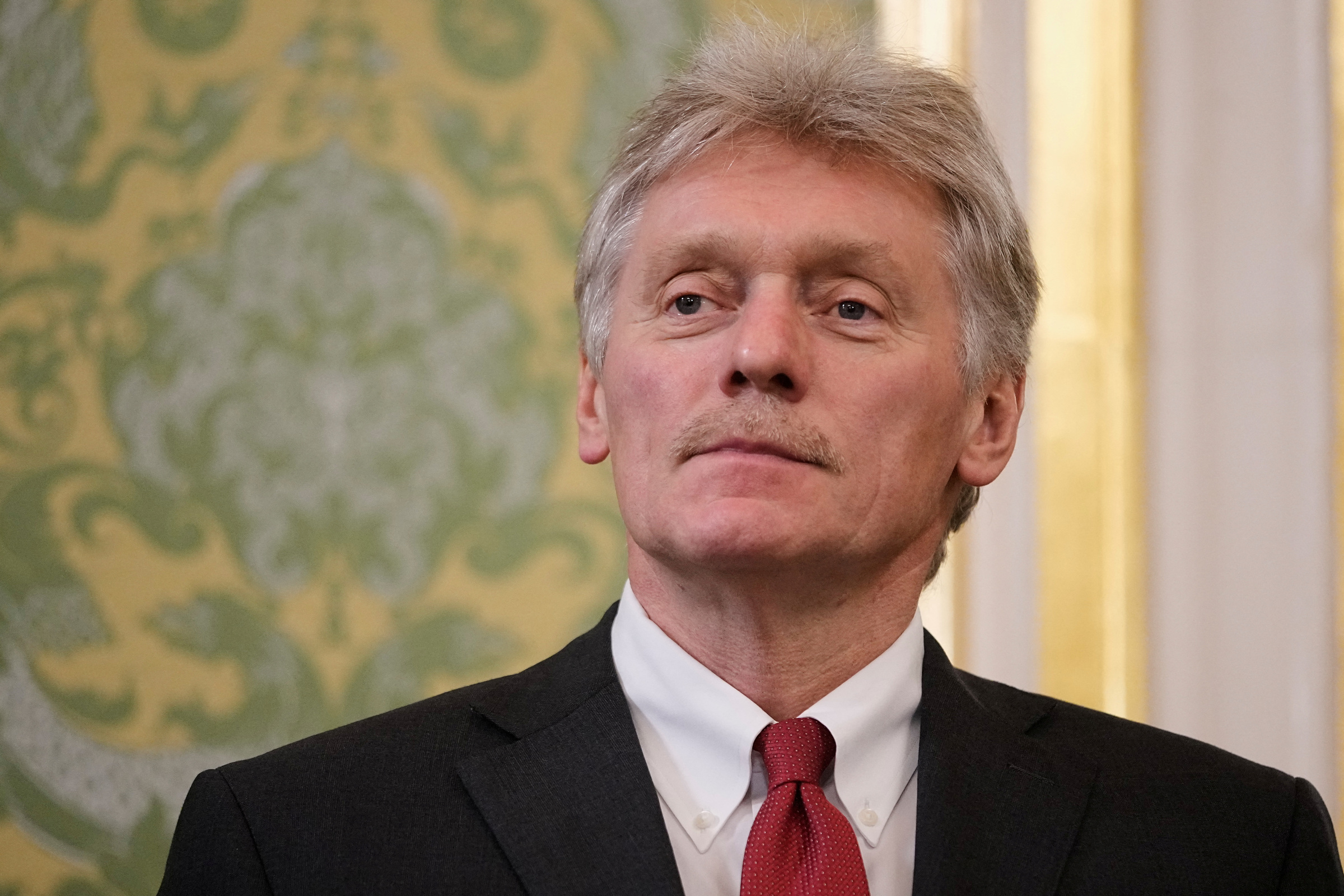 |
Kremlin spokesperson Dmitry Peskov in Moscow, Russia on 23/6. Photo: Reuters |
Kremlin spokesperson Dmitry Peskov in Moscow, Russia on 23/6. Photo: Reuters
Relations between Russia and the US have become less strained under President Trump's administration. Trump frequently made positive comments about his Russian counterpart, Vladimir Putin.
The national security strategy is a document each US president releases only once during their term. It guides budget allocation and sets policy priorities for federal agencies.
The document indicates that Washington will seek to resolve the conflict in Ukraine quickly and aims to re-establish "strategic stability" with Moscow, while affirming that Russia's actions in Ukraine remain a central security concern.
Departing from the decades-long pursuit of sole superpower status, the document states that "the US rejects the outdated concept of global dominance". The US will still prevent other major powers from seeking to overwhelm influence, but this does not mean Washington will sacrifice lives and budgets to contain rivals. The strategy emphasizes "flexible realism", asserting that Washington's policy will be driven primarily by "what is beneficial for America".
Ngoc Anh (According to Reuters, TASS)