President Donald Trump is pushing for a new healthcare plan that involves direct payments to citizens, aiming to replace the Affordable Care Act (ACA), known as Obamacare. This initiative comes as critical subsidies under Obamacare are set to expire by the end of this year, placing pressure on the administration to address rising healthcare costs for Americans.
"The only healthcare policy I support or would approve is sending money directly to the people," President Donald Trump stated on Truth Social on 18/11. This declaration refers to his long-held promise, dating back to his first term, to introduce a new medical assistance policy for Americans that would supersede Obamacare.
Republican officials are actively considering the concept of direct payments to citizens, bypassing traditional insurance companies, as part of an effort to restructure the US healthcare insurance system. Earlier this month, during the agreement to reopen the government, the House of Representatives temporarily deferred discussions on "tax credits" related to Obamacare, which allow Americans to offset medical expenses against their tax obligations.
While Republican proposals for direct payments remain somewhat conceptual, proponents argue they would be more effective than the current tax credit mechanism. Conversely, Democrats advocate for strengthening Obamacare by extending subsidies implemented during the pandemic, which are slated to expire early next year. Research from the KFF organization indicates that if these tax credits are not renewed, the average health insurance costs for 22 million beneficiaries would double starting 1/1/2026.
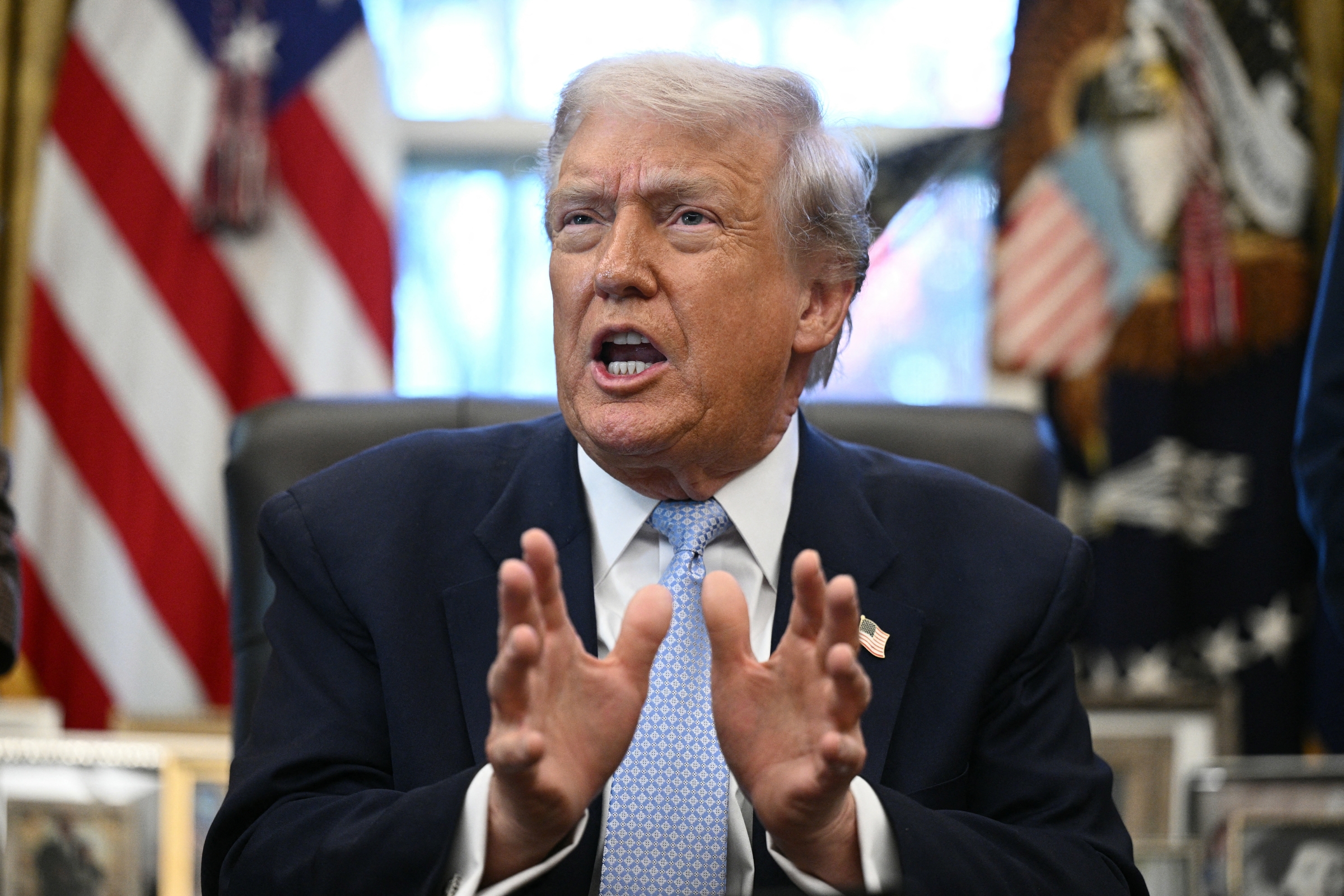 |
US President Donald Trump speaking at the White House on 17/11, during a meeting about hosting the 2026 World Cup. Photo: AFP
Senate Majority Leader John Thune has committed to bringing the tax credit issue to a vote by mid-December, though he has not guaranteed unanimous Republican support. House Speaker Mike Johnson has also refrained from making a firm commitment, emphasizing his view that the pandemic-era subsidies constitute "wasteful" spending.
Even if extended, the existing tax credits are unlikely to resolve the broader issue of escalating healthcare costs across the US. This persistent trend continues to burden most citizens, irrespective of whether their insurance coverage comes through employers, Medicare, or Obamacare.
Over 150 million individuals insured through their employers are projected to face the highest average cost increase in 2026 in the past 15 years. Similarly, seniors enrolled in Medicare could experience a 9,7% rise next year in premiums for outpatient services, doctor visits, and medical equipment.
In response to these challenges, numerous Republican lawmakers, former Trump administration officials, and researchers are proposing an expanded role for Health Savings Accounts (HSA). HSAs are a common option for employees with employer-sponsored insurance, allowing them to allocate pre-tax income towards eligible medical expenses, typically alongside high-deductible insurance plans.
Senator Bill Cassidy has proposed integrating HSAs with lower-tier Obamacare insurance plans, enabling citizens to receive federal funds through HSAs for direct payment of medical services. Brian Blase, a former White House advisor during the Trump administration, suggested redirecting a portion of co-payment support for low-income individuals into HSAs. Furthermore, Senator Rick Scott introduced legislation to establish "Trump Medical Freedom Accounts," which would permit individuals to use these accounts to cover insurance premiums.
Democrats, however, have expressed skepticism regarding both the timing and practicality of these proposals. Senator Catherine Cortez Masto cautioned that millions of Americans risk losing their insurance coverage if the House proceeds without careful consideration. She advocated for a one-year extension of the current tax credits, providing both parties with additional time to evaluate long-term solutions.
Senator Ron Wyden echoed these concerns, stating that developing a comprehensive plan within a few weeks is unfeasible, especially as many Obamacare beneficiaries are preparing to enter a new premium cycle in 1/2026.
Economist Robert Kaestner noted that the concept of direct healthcare payments to citizens has been discussed for over 40 years. While he believes the HSA model could benefit middle and high-income groups, he warns that for low-income individuals, these savings would likely be insufficient to cover significant and unexpected medical expenses.
By Thanh Danh (Based on USA Today, Politico)