As 2025 draws to a close, Ukraine confronts a winter where resilience may not suffice. The nation's fate increasingly depends on Western allies to navigate three major challenges.
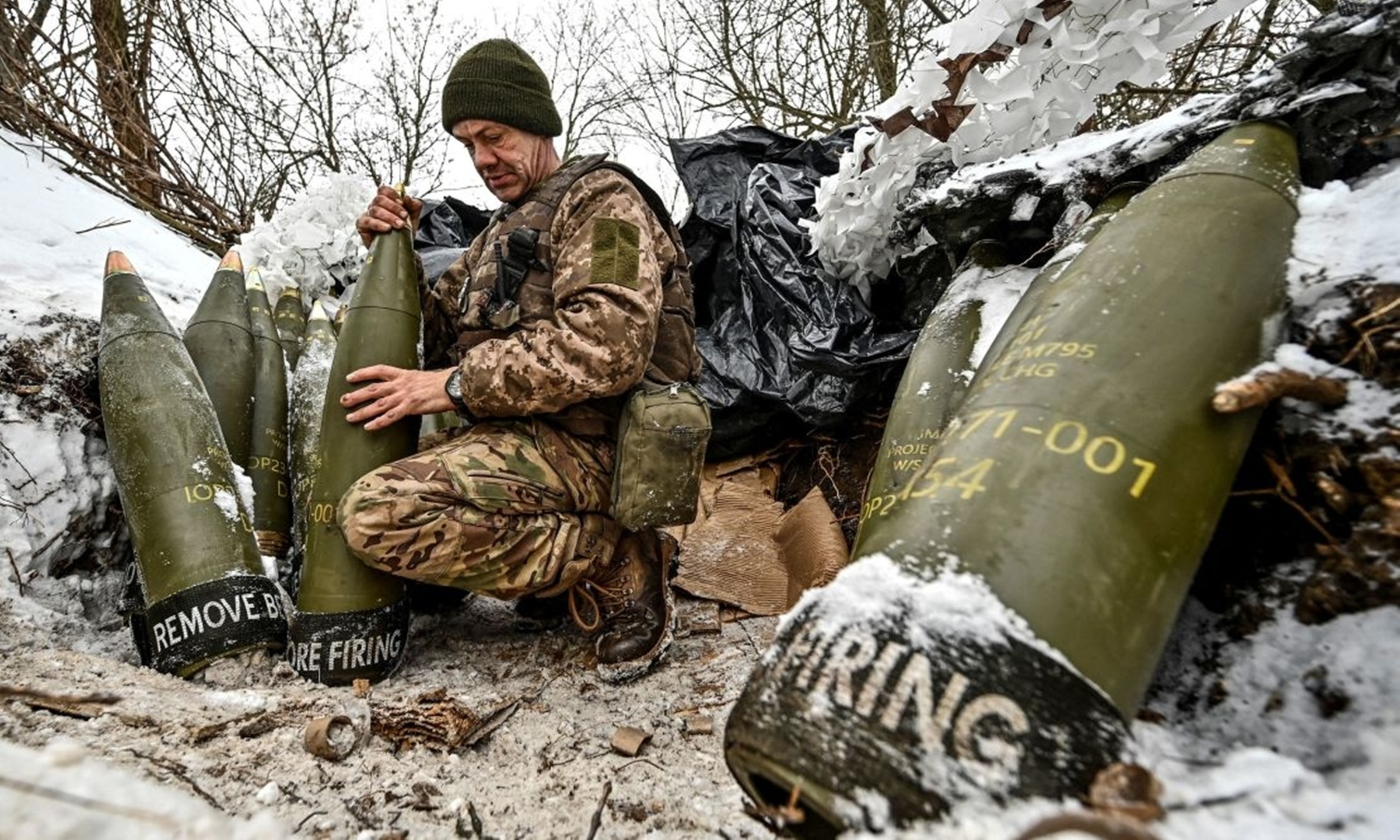 |
A Ukrainian serviceman prepares artillery shells near the front line in Zaporizhzhia in January 2024. Photo: Reuters |
The first challenge is a looming financial crisis, with Ukraine at risk of running out of cash by February. A lifeline depends on Belgium dropping its opposition to a plan to issue a war reparations loan of over 160 billion USD to Ukraine, utilizing frozen Russian Central Bank assets held by a securities depository in Brussels. This plan would allow the European Union (EU) to exchange Russian assets for interest-free AAA bonds, with the cash then transferred to Kiev. Ukraine would only repay the loan if Russia agrees to pay war reparations.
However, with an upcoming EU summit next month to decide on this issue, there are few signs of a breakthrough. Belgium remains concerned about legal claims and potential Russian retaliation. The situation is further complicated by Slovak Prime Minister Robert Fico's statement last week that he would also oppose using frozen Russian assets to fund Ukraine's defense spending. Without this loan, the EU will struggle to secure the necessary funding for Ukraine. This urgency is heightened by the cut in US financial support to Ukraine under President Donald Trump. It seems unlikely that EU member states would agree to borrow money on the market for Ukraine, as cash-strapped governments are reluctant to bear the interest burden.
Compounding the financial difficulties, the "coalition of the willing" supporting Ukraine must also contend with a severe corruption scandal within President Volodymyr Zelensky’s administration. Last week, a former associate of Zelensky fled the country after anti-corruption investigators accused him and 6 others of an illegal scheme to control key state enterprises, including Energoatom, Ukraine’s nuclear energy agency. Corruption in defense procurement is also under scrutiny, with sources indicating more raids are imminent at the Ukrainian Ministry of Defense as part of an investigation into inflated procurement contracts.
"All of this comes at the worst possible time, just as Brussels has to decide on more funding for Kiev. This makes it difficult for Ukraine to persuade Western allies to continue funding. And it will certainly be an excuse for those in the MAGA group and those in Central Europe, like Hungary, to say 'why should we do this?'", a foreign advisor to the Ukrainian government said.
The second challenge comes from the battlefield, where Ukraine is under increasing pressure from Russian forces and risks losing the strategic stronghold of Pokrovsk. This vital logistics and transportation hub has seen intense fighting for over one year.
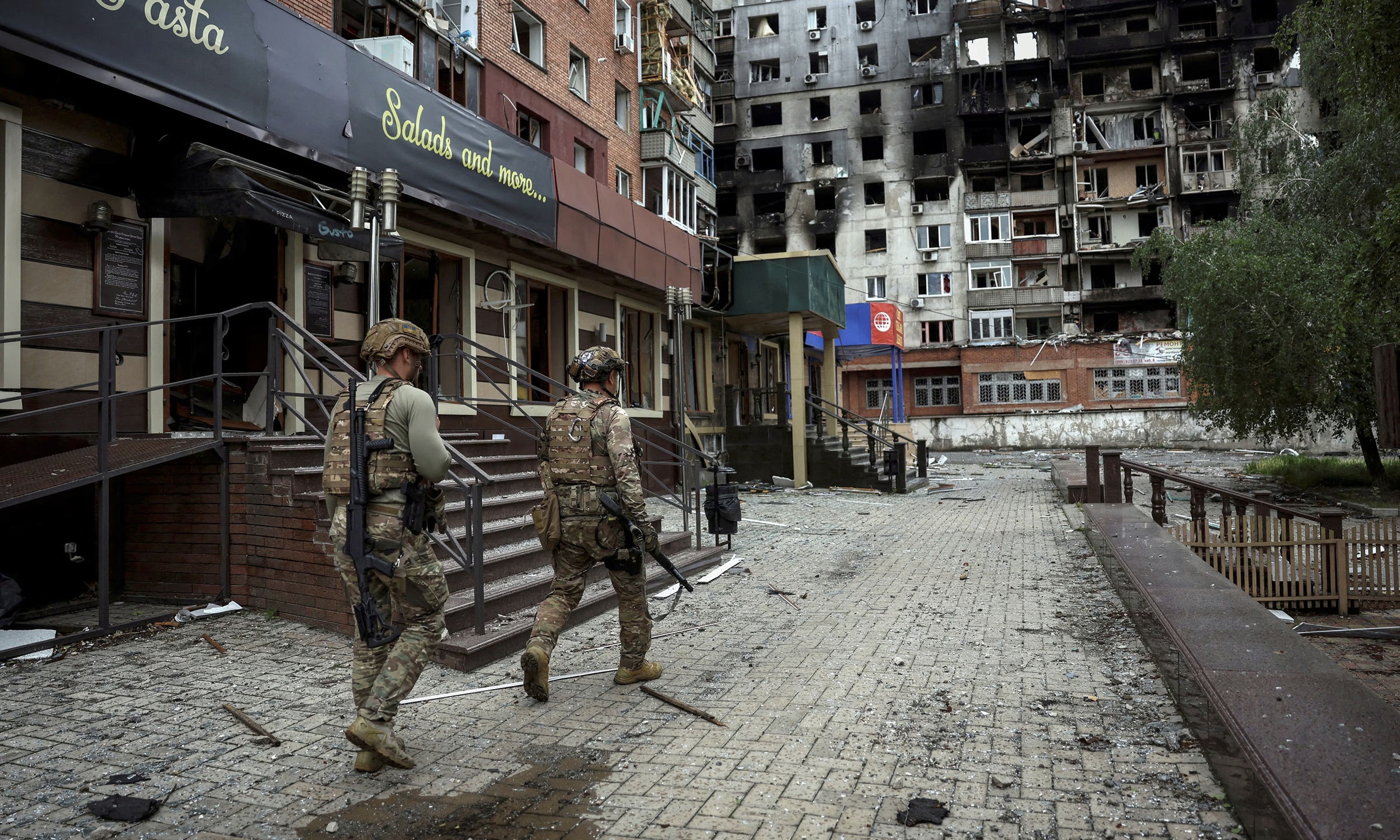 |
Ukrainian soldiers in an area of Pokrovsk city, Donetsk province, in May. Photo: Reuters |
The loss of Pokrovsk would open a new phase in the battle for Donetsk, giving Russia a greater advantage in its effort to control the remaining 25% of the province. It would also provide Russia with more leverage to advance on other strategic cities like Kramatorsk and Sloviansk. Adding to concerns, Ukrainian commanders may have been tactically outmaneuvered in their defense of Pokrovsk after falling into a Russian trap in August. They reportedly moved troops to defend the neighboring city of Dobropillia from an enemy attack.
"The Russian army distracted our generals with a breakthrough in Dobropillia, then exploited this to raid Pokrovsk," said parliament member Mariana Bezuhla, a harsh critic of Ukrainian Army Commander-in-Chief Oleksandr Syrsky. Bezuhla, former vice chair of the Ukrainian Parliament Committee on National Security and Defense, is not alone in believing that commanders made a mistake by redirecting elite units defending Pokrovsk to Dobropillia at a sensitive time. Many now fear that Russia is exploiting Ukraine's focus on defending Pokrovsk to launch raids into the Dnipropetrovsk region to the south and Zaporizhzhia.
"The Ukrainian army's decision-making system simply cannot keep pace with the battlefield and is being spun around by the enemy," Bezuhla stated.
The precarious situation in Pokrovsk once again highlights Ukraine's severe manpower shortage. In some sections of the front line, Russia holds a 10-fold advantage in personnel. In rural areas, this is less of an issue, as drones and remote-controlled systems dominate the battlefield. However, in urban close-quarters combat, like in Pokrovsk, superior numbers make a critical difference.
Beyond worries about funding and the battlefield, Ukraine faces a third major winter challenge: the energy war. In previous winters, with allied support and adaptive strategies, Ukraine maintained its power grid against persistent Russian attacks.
This winter, however, Russia is launching far larger-scale attacks, and Ukraine lacks sufficient air defense systems to counter them, with no immediate prospect of receiving more from partners. Moreover, Russia has adjusted its tactics, targeting not only the power grid but also Ukraine's natural gas infrastructure. 60% of Ukrainians rely on natural gas for warmth during winter.
With winter just one month away, Ukraine may have lost one-third, or even more, of its natural gas production capacity. In early October, US media reported that 60% of Ukraine's domestic gas production capacity had been destroyed in Russian attacks on facilities in Poltava and Kharkov, Ukraine's main gas-producing regions. Officials later claimed they had restored half of the damaged capacity.
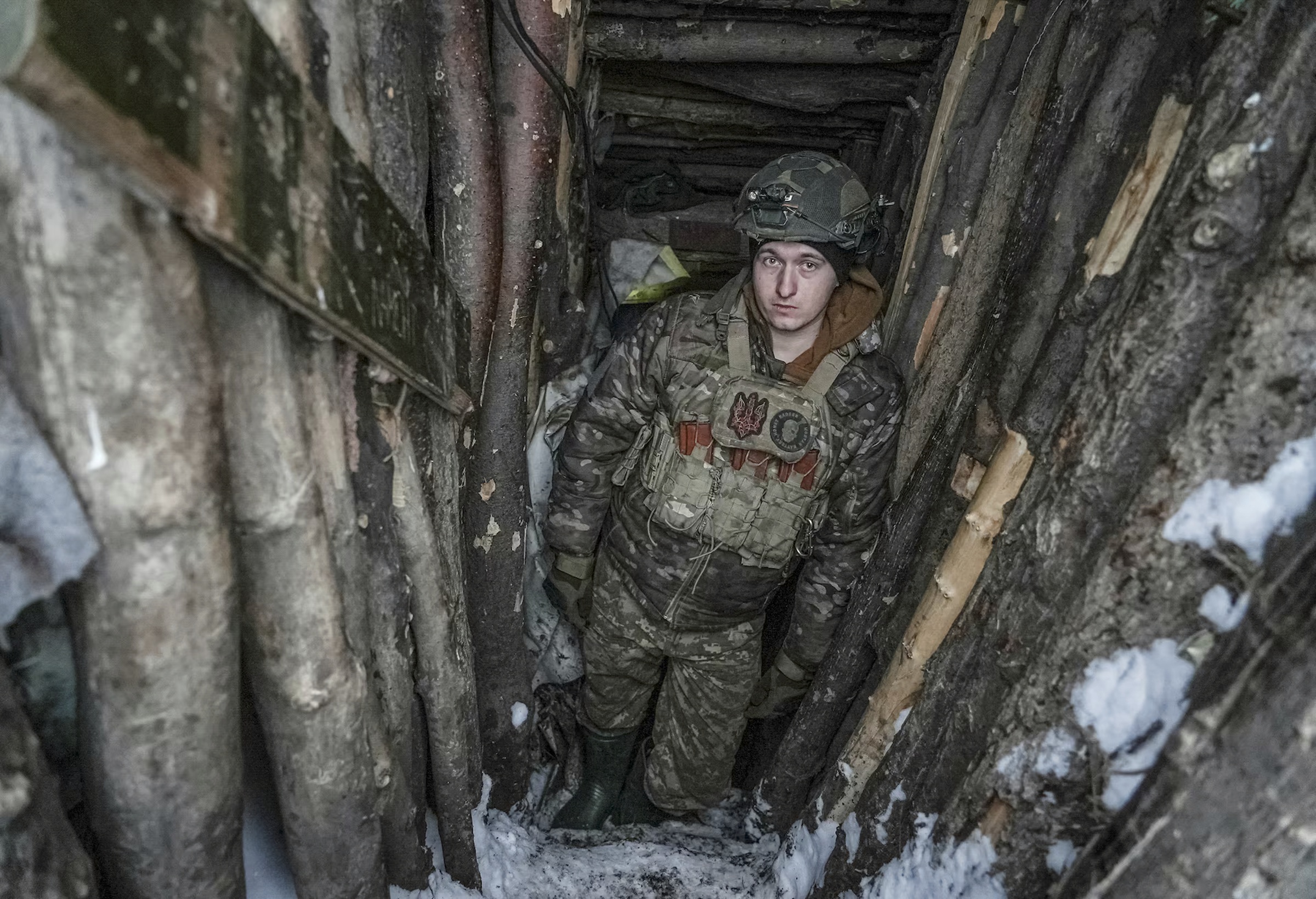 |
Ukrainian servicemen inside a dugout near Bakhmut city, Donetsk region, in January 2024. Photo: Reuters |
Since then, Russian drone and missile attacks have intensified. In one week of October alone, Russia simultaneously targeted gas production facilities in Kharkov, Sumy, and Chernihiv. The challenge was further highlighted last weekend by another major Russian attack on Ukraine's energy and gas infrastructure, causing widespread power outages. In the early hours of 14/11, Kiev endured a combined assault using multiple weapons, including Kinzhal and Iskander-M missiles, damaging numerous energy facilities and plunging the entire city into darkness.
Former Ukrainian Energy Minister Olga Bohuslavets warned, "this winter will certainly be much harder than all previous winters." The most crucial question now, as Politico commentator Jamie Dettmer poses, is whether the country can endure in good enough condition to avoid being forced into an unfavorable peace agreement with Russia.
Vu Hoang (According to Politico, AFP, Reuters)