The US Department of Homeland Security (DHS) announced on 3/12 that it had launched a major operation in New Orleans, louisiana, to track down and deport undocumented immigrants. Secretary Kristi Noem stated that federal agents were already present in the city to remove "the worst of the worst".
Noem labeled New Orleans a "sanctuary city" for undocumented immigrants, accusing local politicians of disregarding the law, and affirmed that Immigration and Customs Enforcement (ICE) would take strong action.
Assistant Secretary of DHS Tricia McLaughlin described the targets of the crackdown as foreign criminals residing illegally, wanted for offenses such as home invasion, armed robbery, car theft, and rape.
louisiana governor Jeff Landry, a republican, voiced support for the effort on local radio. one day earlier, president Donald Trump announced he would soon deploy the National Guard to New Orleans at the governor's request for assistance.
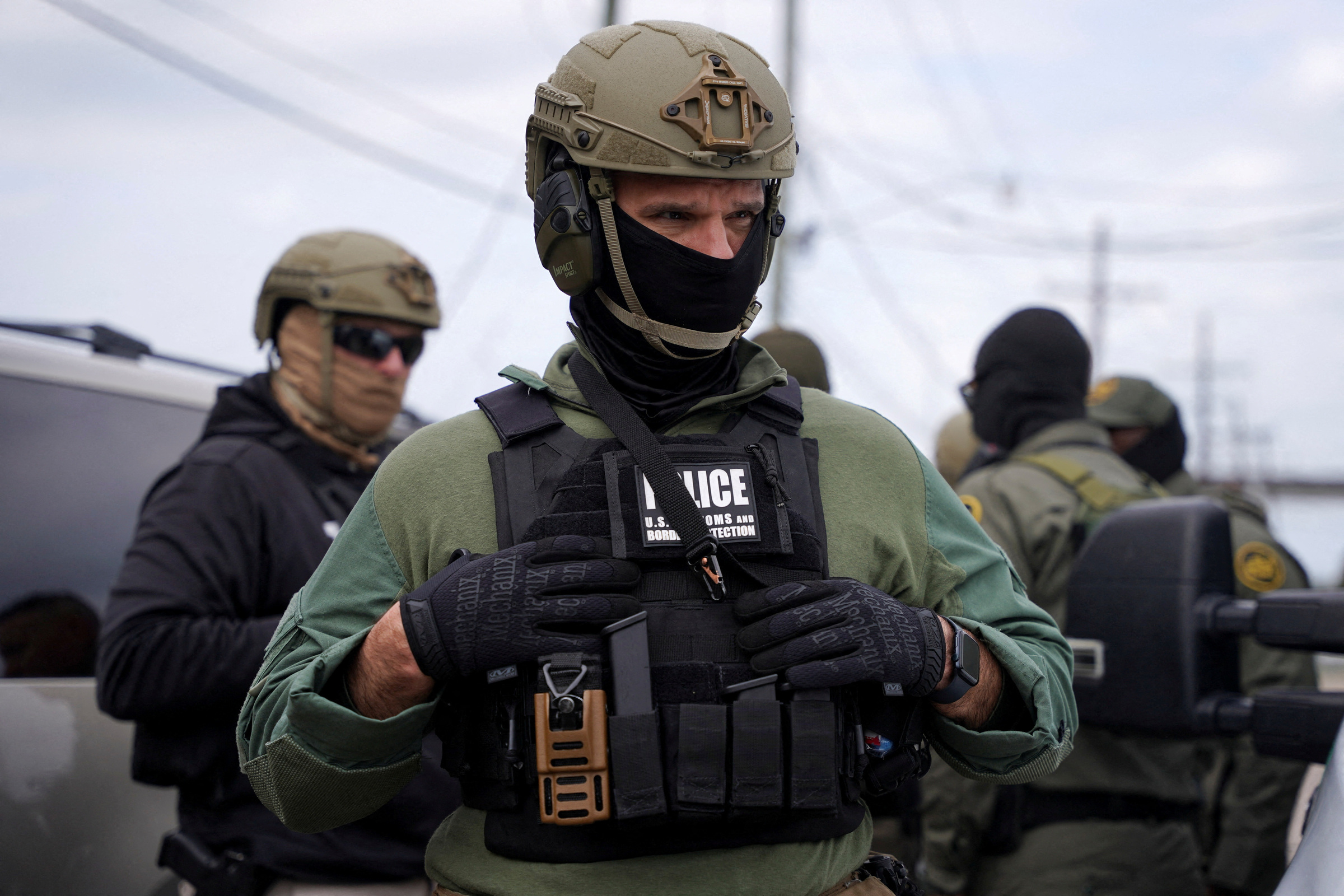 |
Federal agents in New Orleans on 3/12. Photo: Reuters
New Orleans became home to many Latin Americans after hurricane Katrina in 2005, as numerous immigrant workers arrived to participate in city reconstruction projects. Currently, this group accounts for more than 20% of the population in Jefferson Parish.
New Orleans mayor Helena Moreno, a democrat, expressed deep concern over the new DHS crackdown.
While supporting the removal of violent criminals, Moreno worried that law enforcement might intentionally target people of color and potentially violate due process. She also criticized the lack of transparency in immigration operations, noting that masked agents made identification difficult and caused insecurity within the community.
City councilmember Lesli Harris told CNN that the operation was causing extreme confusion, targeting even legal residents, mothers, and high school students. According to a november report by the Cato Institute, in the past two months, only 5% of arrested immigrants had violent criminal records, while 73% had no prior offenses.
Abby, a restaurant owner in New Orleans, arranged temporary beds for her relatives to sleep at her workplace, avoiding the risk of federal agents stopping them on the street. Abby's family arrived in the US from Mexico 20 years ago but still lacks legal status. She fears being separated from her 10-year-old son, a US citizen.
"Not all of us are criminals. We are hardworking people", Abby said.
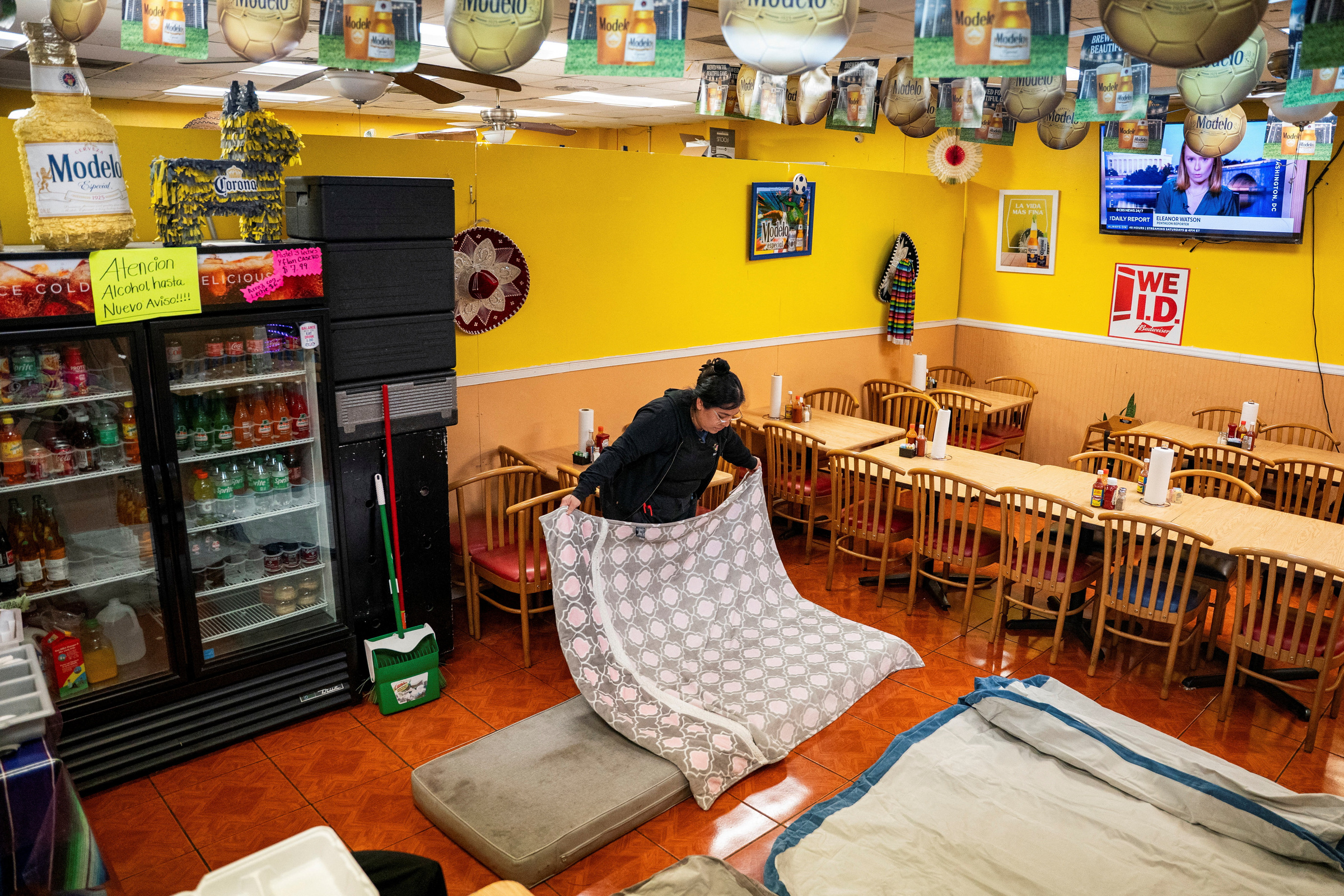 |
Abby, a restaurant owner in New Orleans, arranged beds for relatives at her workplace to avoid being stopped by ICE on the street. Photo: Reuters
Rachel Taber, a volunteer with Union Migrante, a group protecting immigrant rights, stated that business activity in the city was "paralyzed" after the crackdown began. Many workers and students were afraid to leave their homes, fearing arrest.
"People are forced to choose between work and family", Taber said.
Union Migrante posted several videos showing border patrol agents questioning and arresting workers at building material stores in New Orleans. Taber recorded at least 10 arrests on the first day of the operation.
Despite the concerns, Gregory Bovino, a US Border Patrol official leading the New Orleans operation, who previously directed crackdowns in Los Angeles and chicago, maintained that they were only "arresting criminals who should not be here" and commended the cooperation of louisiana state law enforcement.