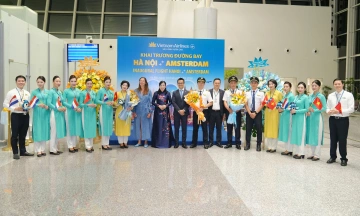
As demands for sustainable development expand, the aviation industry is shifting from individual initiatives to multi-stakeholder cooperation models.
According to the International Air Transport Association (IATA), fragmented sustainability programs previously existed among airlines, airports, and suppliers. This led to "duplicated processes, inconsistent data, and missed opportunities for impact," which slowed implementation. To overcome this, the industry is building common cooperation frameworks to connect parties across the value chain and promote collective solutions instead of individual efforts.
Beyond emission reduction, current cooperation programs encompass social, governance, and community responsibility factors. This reflects a comprehensive ESG approach, with airlines acting as central coordinators, connecting various partners to implement initiatives across the ecosystem.
A prime example is cooperation programs within the global airline alliance SkyTeam. According to information released by this entity, member airlines are collaborating to develop common sustainability standards. These standards include pillars such as human welfare, reducing environmental impact, and improving supply chain governance. They align with an ESG orientation and sustainable development goals, aiming to create simultaneous environmental, social, and governance impacts.
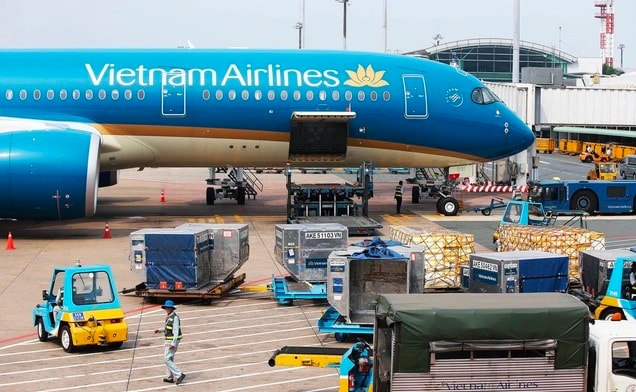 |
Vietnam Airlines and 15 international airlines participate in the "Sustainable Flight Challenge" by the global airline alliance SkyTeam. _Photo: Vietnam Airlines_ |
This cooperation model extends beyond commitments, generating practical initiatives. The program "The Aviation Challenge" brings together airlines to test sustainable solutions, from improving operations and reducing waste to enhancing employee welfare. In one implementation cycle, over 22 airlines participated with more than 80 test flights for innovative solutions, sharing results and scaling them across the entire network. Initiatives post-testing are standardized for widespread application, demonstrating cooperation's effectiveness over individual operations.
Alliance programs also extend to social and governance aspects. SkyTeam states that member airlines are implementing initiatives on workforce diversity, occupational safety, and enhancing employee welfare, while also improving ESG standards in the supply chain and reporting transparency. This shows that sustainable development in aviation includes not only emission reduction but also social responsibility and transparent governance.
Indeed, the unique nature of the aviation industry makes ESG goals difficult to achieve if pursued by a single enterprise. Activities related to health, environment, or governance all require multi-party participation. For example, community support or health programs demand coordination among airlines, social organizations, and state agencies. Environmental initiatives need participation from suppliers, airports, and energy partners. Moreover, governance transparency relies on data systems and common standards across the entire chain.
Therefore, the multi-stakeholder alliance model is a solution to systematize individual efforts into a comprehensive strategy. Instead of fragmented implementation, parties can jointly define objectives, divide roles, and share resources. Initiatives are also more easily scalable with the early involvement of multiple organizations.
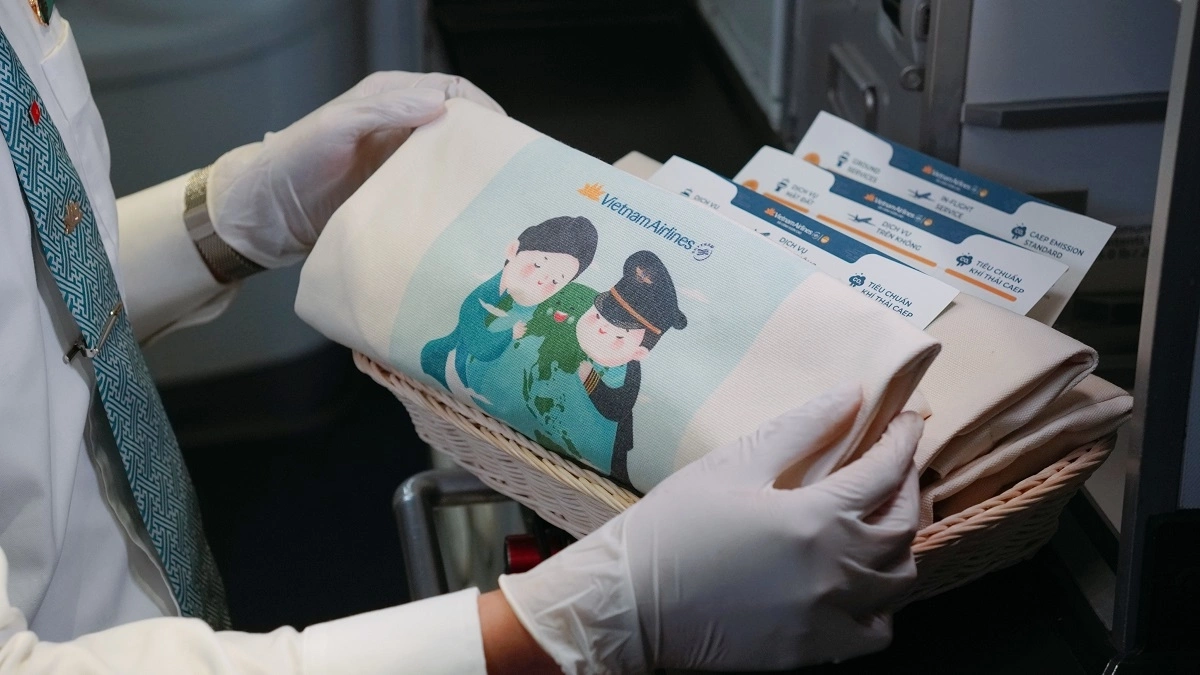 |
Fabric bags carrying environmental protection messages. _Photo: Vietnam Airlines_ |
This trend is being pursued by airlines in Vietnam, such as Vietnam Airlines. Establishing a voluntary cooperation alliance between airlines and partners for sustainable development reflects an ecosystem approach, rather than individual programs. The alliance model focuses on three main pillars: environmental, social, and governance. These pillars align with the ESG approach currently adopted by the international aviation industry.
Furthermore, alliance activities extend beyond agreements, opening specific cooperation spaces among businesses, social organizations, and regulatory bodies. Exchange and networking programs are designed to foster new initiatives, helping parties propose and implement projects in various fields. This approach mirrors international cooperation models, where initiatives are jointly tested and then scaled.
To concretize the multi-stakeholder cooperation direction in sustainable development, on 22/4, Vietnam Airlines plans to organize the launch ceremony for the Green Alliance - Sustainable Development. Participants will include: the airline's leadership, representatives, and numerous project implementation partners such as the National Coordination Center for Human Organ Transplantation, SkyTeam representatives, Tetra Pak, MoMo, PanNature, and international health organizations.
Thai Anh