An art event at August Revolution Square on 31/1 offered a multi-sensory experience, integrating light, music, technology, and the Hanoi Opera House's architecture to form a performance space.
Throughout the program, the Hanoi Opera House's architecture continuously transformed with layers of light, music, and spatial movement. The heritage building was not merely a static backdrop but became an integral part of the stage, serving as a narrative element that offered audiences new perceptions in every moment.
Director Dang Le Minh Tri shared, "We don't just stage performances; we create an experiential space where every detail is calculated to guide emotions. Light, music, and architecture then join together to tell a story."
A highlight of the program was the unprecedented use of a 75-ton self-propelled crane directly within the performance space. Above, a programmed LED mesh system was suspended, creating light imagery that spread from the sky across the entire stage below, enhancing visual depth and producing a striking moment.
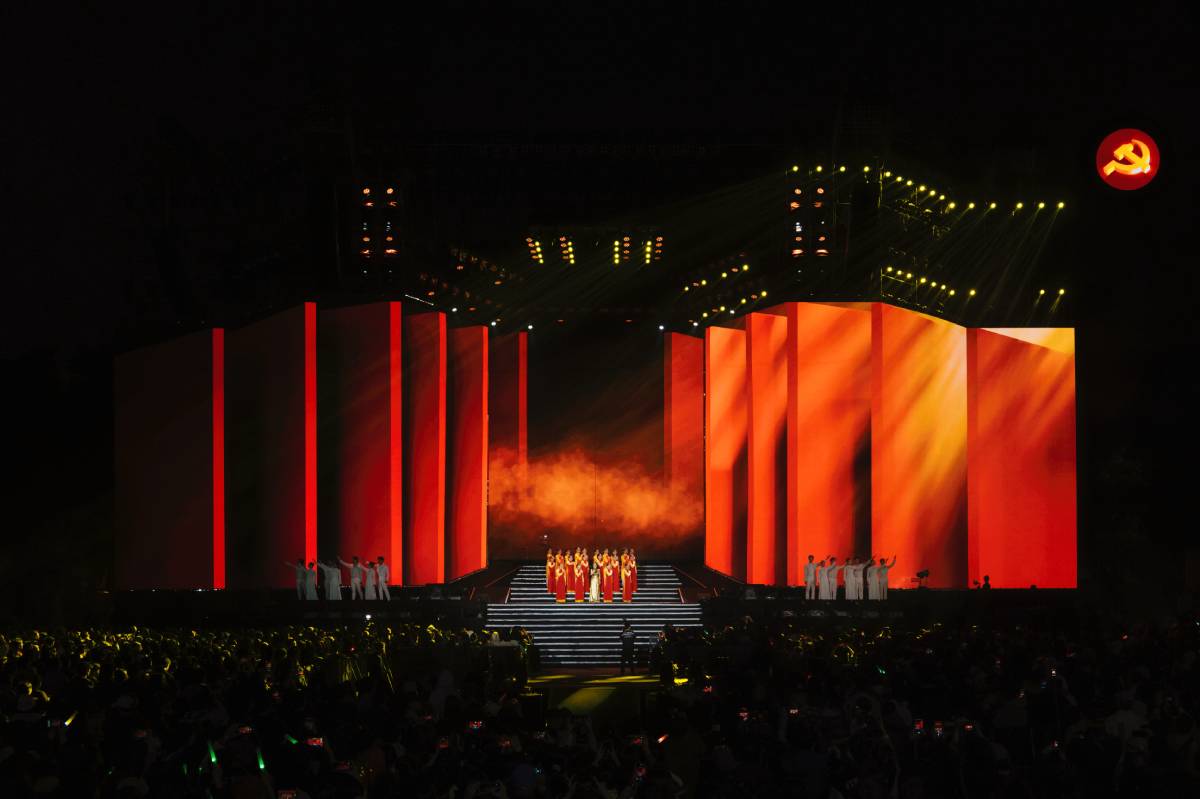 |
The lighting system was implemented by a 75-ton self-propelled crane. Photo: Organizers |
On the central stage, a flying floor system, operated by multiple programmed hoists, allowed artists to perform at various elevations. Simultaneously, an automatic sliding LED track system, combined with a large-scale LED mesh, directly interacted with the Hanoi Opera House's architecture, generating continuously changing visual layers that adapted to each performance and emotional rhythm.
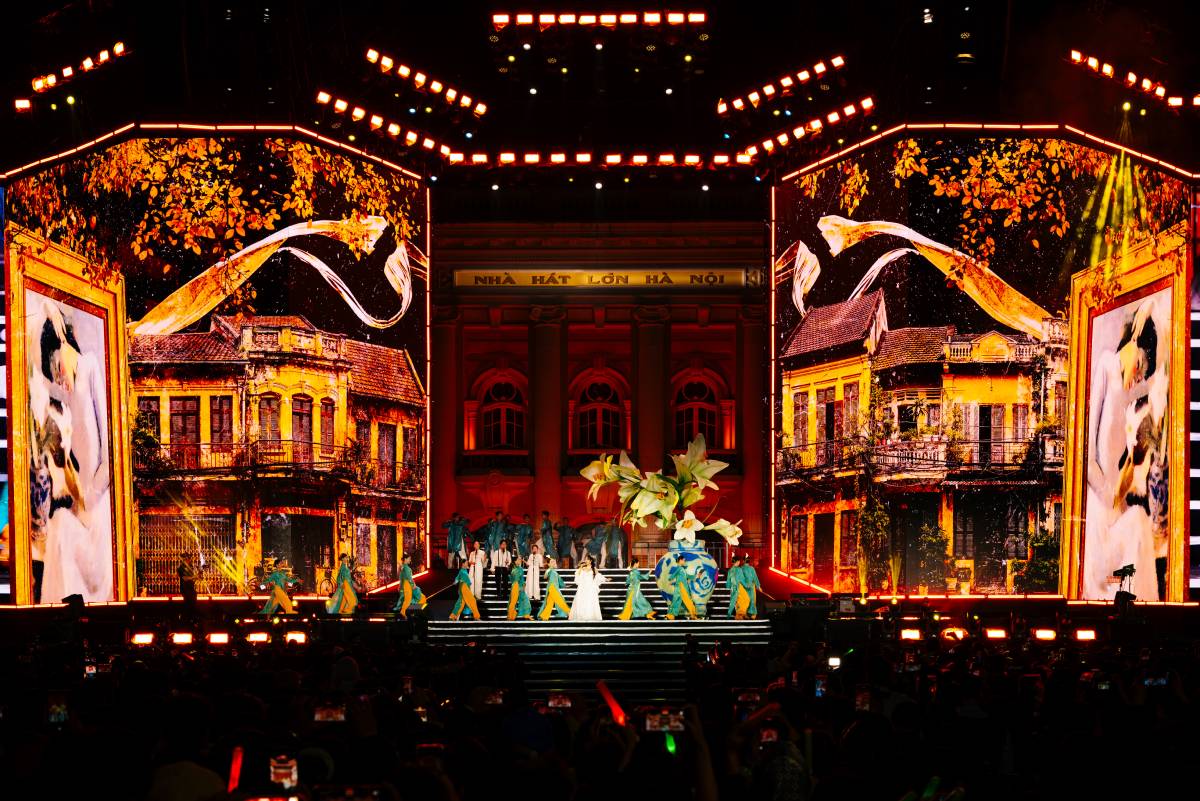 |
The Hanoi Opera House became part of the performance stage. Photo: Organizers |
Beyond the grand-scale scenes, Director Dang Le Minh Tri meticulously crafted each layer of detail. The image of the vase from the painting "Young Lady with Lily" was transformed into theatrical language, combined with mashup music, creating a moment that felt both familiar and novel.
According to the production team, technological solutions served the script's flow and overall emotional structure, rather than merely showcasing technical prowess. This aligns with Director Dang Le Minh Tri's consistent artistic vision, where technology acts as a storytelling tool, emphasizing cultural and heritage values.
Another notable aspect was the program's approach to public engagement. According to the director, art is truly complete when it connects with the audience's emotions, enabling them not just to "watch" but to participate in the story, fostering shared moments of community memory.
The event also aligns with Hanoi's strategy to develop night cultural experiences, utilizing urban and heritage spaces as part of contemporary creative life. The introduction of Lumi, a central mascot inspired by the luminous pearl of the Ly dynasty dragon, helps shape the visual identity and enhances connection with the public, particularly young audiences.
According to the organizers, the program is not merely a one-night performance but serves as a catalyst for a series of upcoming creative activities, aiming for a modern, identity-rich, and sustainable urban cultural experience model.
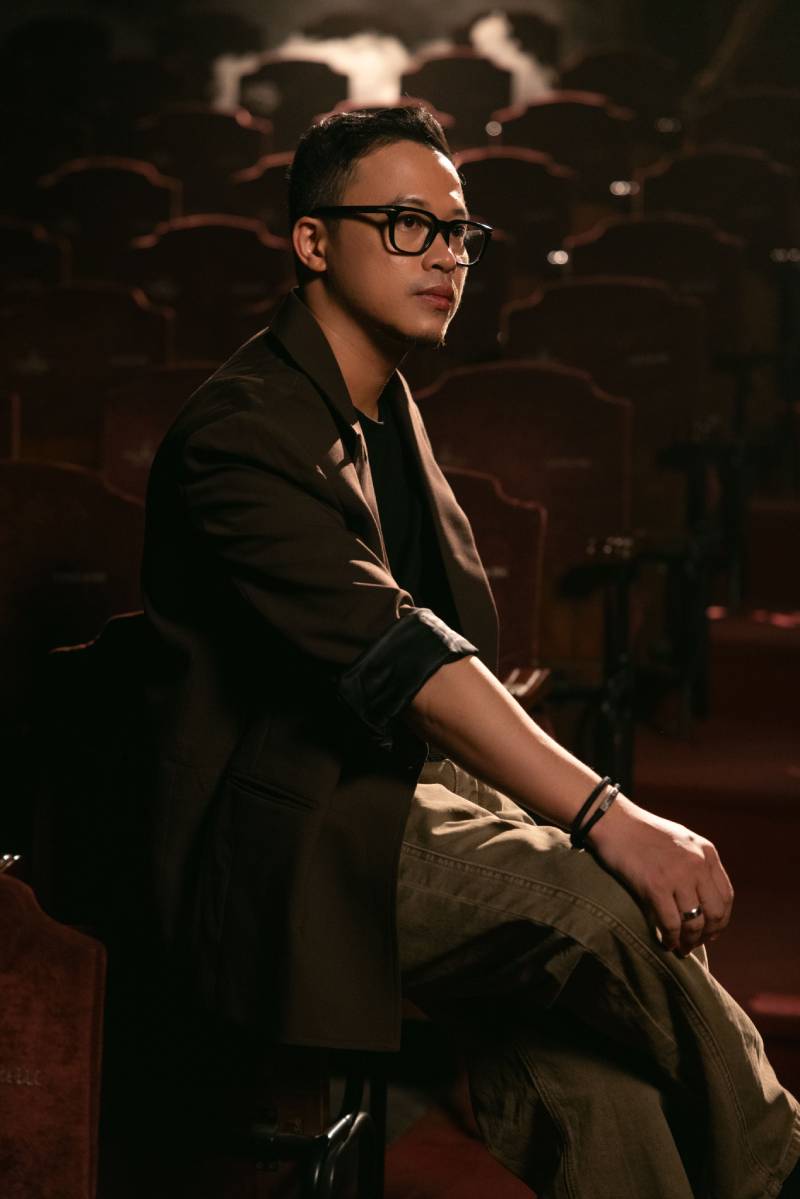 |
Director Dang Le Minh Tri. Photo: Organizers |
Before this event, Dang Le Minh Tri served as creative director and general director for numerous large-scale art projects, including the "National Concert" Fatherland in My Heart. These programs earned recognition through awards such as Sol Vang, Tinh Hoa Viet Awards, and Mai Vang, demonstrating the director's consistent approach: integrating Vietnamese culture, heritage, and identity into contemporary performance forms, allowing art to extend beyond the stage and permeate urban life and the community.
Yen Chi