Recently, many Vietnamese stars have issued warnings about becoming victims of fake videos. On november 14, Ngo Thanh Van expressed distress after discovering numerous advertising sites and social media content using her image, name, and voice to create false information.
According to the actress, this misleading information not only harms her personal reputation but also causes audiences to misunderstand, lose trust, and even mistakenly purchase unendorsed products. "The rampant appearance of content impersonating me makes me feel insecure," Ngo Thanh Van stated.
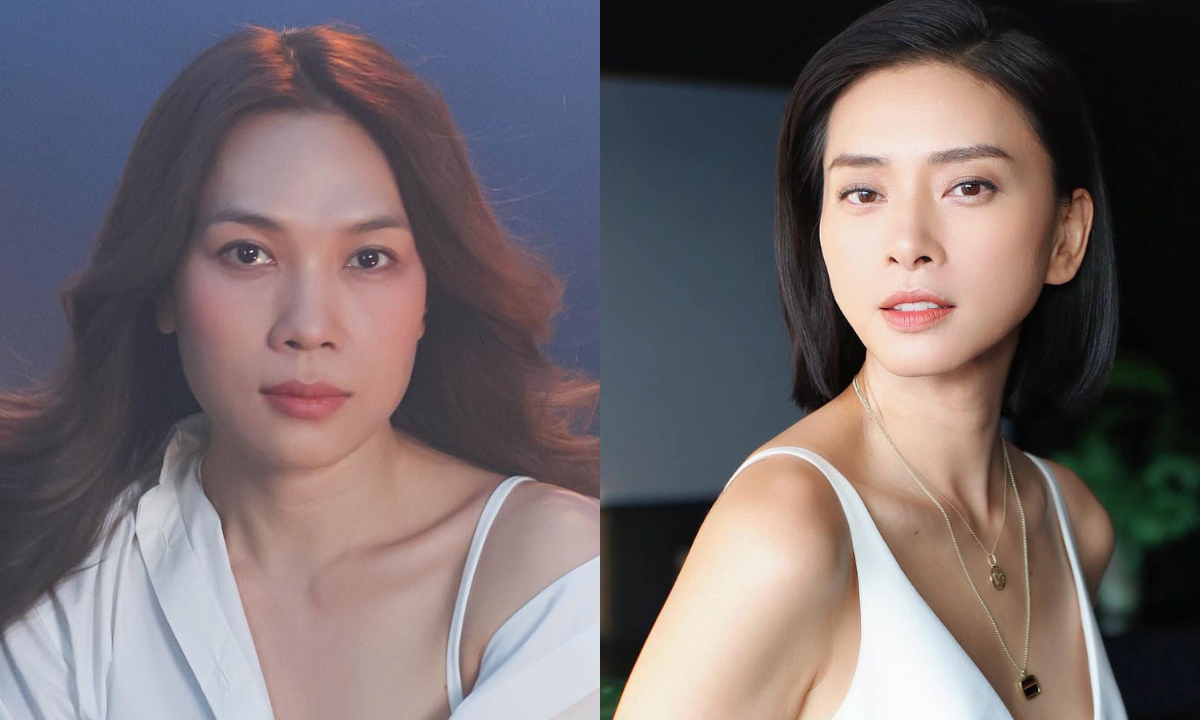 |
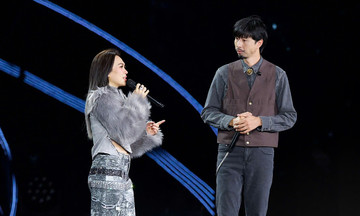
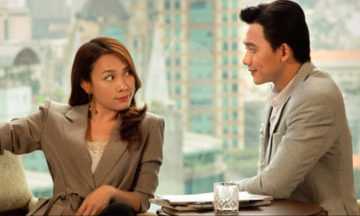
Singer My Tam (left) and actress Ngo Thanh Van. *Photo: Courtesy of subjects*
Similarly, My Tam also warned her audience, stating that she does not participate in or represent any content or product except for brands posted on her official channels. The singer's team is collaborating with platforms to remove infringing content and engaging with authorities for intervention. Previously, she and Dan Truong were frustrated by their "images being used for milk advertisements."
While artificial intelligence technology offers positive aspects, its development also reveals numerous negative consequences. Among these, deepfake—a technology simulating faces, lip movements, and voices almost identically to original videos—is being misused for various fraudulent activities. With just a few minutes of real footage from a celebrity, AI can generate a video with a new message, making it difficult for viewers to distinguish between genuine and fake content. Many artists have spoken out against the appropriation of their images: Miss H'Hen Nie, artist Manh Cuong, singer Duc Phuc, and director couple Ly Hai - Minh Ha. Fake celebrity images are commonly used in advertisements for functional foods, gambling, or online scams.
According to lawyer Hoang Ha of the Ho Chi Minh City Bar Association, stars are preferred targets for AI-generated fake news. Artists are vulnerable because their image and voice materials are readily available on the internet. Malicious actors need only minutes to collect this data and feed it into an AI tool to generate seemingly authentic content. Current law lacks specific legislation to protect image and voice rights against AI technology.
The government and National Assembly are currently discussing specific legislation for artificial intelligence. "I hope this law will be enacted soon to create a legal framework, protecting both artists and the public from AI-generated fake news," the lawyer stated.
Hoang Dung