On 18/11, Cambridge Dictionary (UK) announced the results on its website. The publisher stated that the growing number of people forming one-sided connections with celebrities, and even AI chatbots, prompted their choice of "parasocial" as the word of the year.
Parasocial interaction is a sociological term describing a form of one-sided psychological relationship, in which an individual (typically an audience member or fan) develops a sense of intimacy, personal connection, or closeness with a media figure they have never met in person.
The term originated in 1956, coined by two sociologists, Donald Horton and Richard Wohl. Today, the phenomenon persists as social media users show significant interest in artists, influencers, and online personalities.
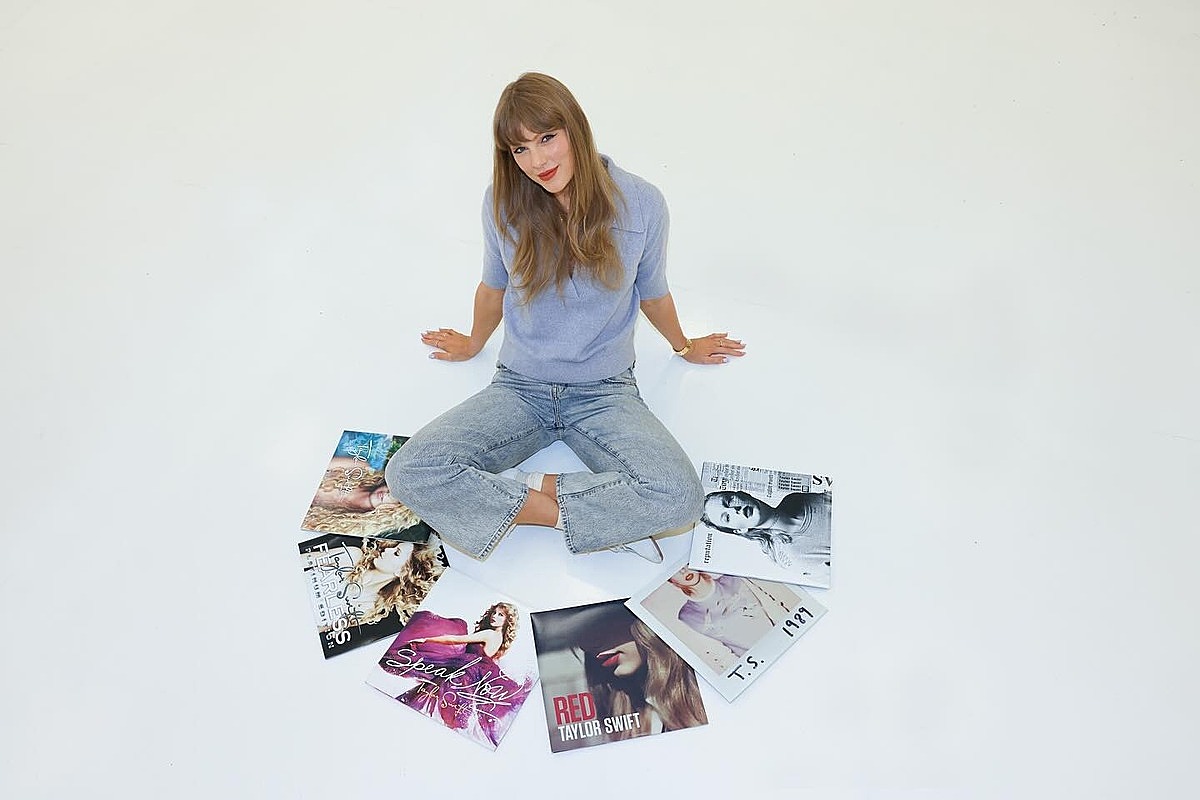 |
Millions of audience members feel empathy for Taylor Swift's love songs, even though they have never met the artist in person. *Photo: Instagram Taylor Swift*.
One prominent example of this phenomenon is the relationship between fans and Taylor Swift. According to Cambridge, millions of fans empathizing with Swift's narrative music demonstrates their "parasocial" connection with her. This is also evident in how fans feel deeply connected to the artist and her boyfriend, football player Travis Kelce, especially when the two announced their engagement.
The trend of using the word "parasocial" also surged this year, especially as concerns about human attachment to AI chatbots, like ChatGPT, gained attention. Colin McIntosh, a lexicographer at Cambridge, stated that this word "captures the zeitgeist of 2025," indicating a shift in language. "What was once specialized academic jargon has now become a common term," he remarked.
 |
Many fans feel deeply connected to Taylor Swift and football player Travis Kelce, and are happy to see them engaged. *Photo: Instagram/ Taylor Swift*.
Professor Simone Schnall from the Department of Experimental Psychology at Cambridge University described the result as "an inspiring choice." She stated, "The rise of parasocial relationships has redefined fan communities, celebrities, and AI, as well as how ordinary people interact online with these entities."
Schnall also believes that humanity is entering an era of forming many unhealthy one-sided connections with influencers. This leads many fans to develop a sense of "knowing," trust, and even extreme loyalty towards figures they have never directly interacted with or known.
The singer's latest music video - "The Fate of Ophelia". *Video: YouTube/ Taylor Swift*.
Additionally, the dictionary announced several words with "significant impact" this year, such as "slop" and "memeify." These two terms respectively mean "low-quality content on the internet, especially that produced by artificial intelligence," and "to turn an event, image, or person into a meme."
The publisher also added 6,000 new words, notably including: "delulu" (meaning delusional), "skibidi" (inspired by the viral YouTube video series about Skibidi toilets, used to describe things that are either cool or terrible), and "tradwife" (a traditional wife, often posting content about being a homemaker).
By Phuong Thao (via CNN)