The Ho Chi Minh City Hat Boi Art Theater announced that People's Artist Dinh Bang Phi passed away this morning at his home. In recent years, his health had declined due to Alzheimer's disease. Despite significant memory loss, encounters with acquaintances at the Theater Association often sparked his memories, leading him to share stories from the golden age of "hat boi".
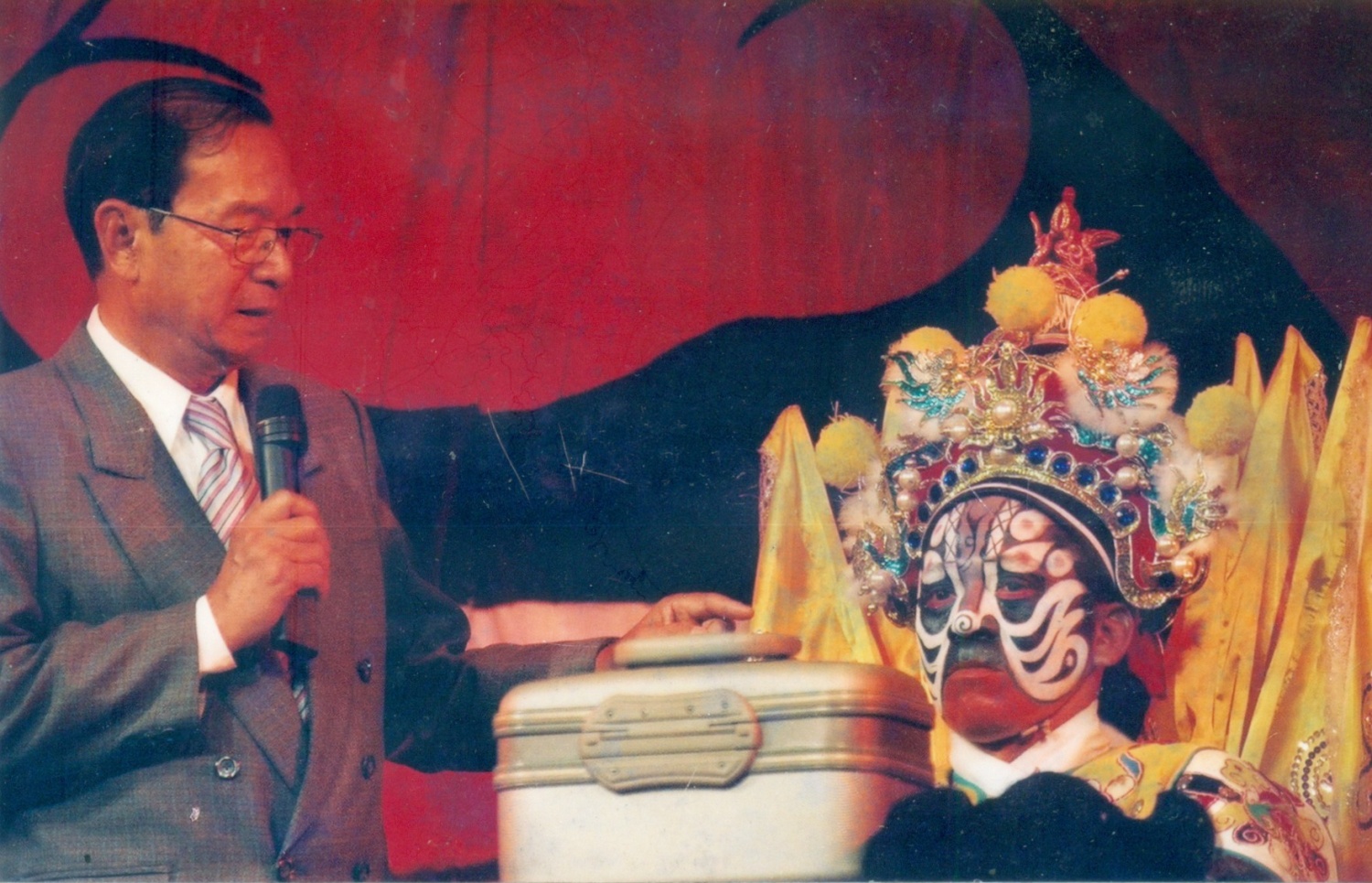 |
Artist Dinh Bang Phi during a discussion about "hat boi". Photo: Thanh Hiep |
Within the theater community, Dinh Bang Phi was considered a pioneer of southern "hat boi" and a rich source of knowledge on traditional opera. Over 10 years ago, when artist Kim Cuong was writing her memoir, she sought his help. She needed valuable historical information about her aunt, Nam Phi, a prominent "hat boi" star of the mid-20th century, to provide context for her narrative.
Kim Cuong had known him for over 50 years, recalling his youthful days as a handsome man with an artistic demeanor, often seen on a classic Vespa. She once asked him why he chose "hat boi" instead of acting, given his striking looks. He simply smiled and replied, "The ancestors of the profession called," an idiom signifying a deep, almost spiritual, calling to one's craft.
Director Thanh Hiep, who frequently spoke with Dinh Bang Phi in his later years, noted the artist's enduring passion for traditional opera. Even in old age, Dinh Bang Phi actively advocated for greater engagement from authorities and the public to introduce "hat boi" to younger audiences. He proposed promoting the art form through digital platforms and school stages. He also urged future generations of artists to modernize archaic language, ensuring "hat boi" remains relevant and avoids obsolescence.
Born in 1937, People's Artist Dinh Bang Phi graduated from the Saigon National College of Pedagogy, now the Ho Chi Minh City University of Pedagogy. His fascination with "hat boi" led him to produce historical and folk excerpts for students. Recognizing the scarcity of young individuals well-versed in Han studies, classical literature, and historical allusions, he was invited in 1969 to teach and head the "Hat Boi" class at the Saigon National School of Music and Drama.
In 1971, he established the Dinh Bang Phi Hat Boi Troupe, which attracted young artists like Kim Thanh, Ngoc Khanh, Ngoc Dung, and Xuan Quan. This small troupe performed widely across various provinces and cities, earning acclaim for productions such as: "Giang Ta Cau Hon", "Su Tich Tran Huyen Trang", "Canh Tay Vuong Ta", and "Trung Nu Vuong". From 1977 to 2003, he collaborated with the Ho Chi Minh City Hat Boi Troupe, which is now known as the Ho Chi Minh City Hat Boi Art Theater.
With his elegant stature and refined features, Dinh Bang Phi embodied over 30 characters, specializing in scholarly male roles like "kep van" and "lao van". These characters often depicted gentle, loyal civil servants or kings. Among his most memorable performances were Tu Trinh in "Son Hau", Tu Do in "Phung Nghi Dinh", Trieu Khuon Dan in "Tram Trinh An" and "Luu Kim Dinh", and Tran Nhan Ton in "Sat That". He was the third "hat boi" artist, after Nam Do and Thanh Ton, to be awarded the prestigious title of People's Artist.
Mai Nhat