According to the Guardian, the latest biography of physicist Stephen Hawking by Graham Farmelo is scheduled for release in late September. In his review for the Guardian, writer Philip Ball notes that the publication offers a comprehensive, accessible portrait of a scientist. Hawking was brilliant but also had many flaws, aspects often overlooked by the public due to his talent and his struggle with illness.
In the realm of science, Farmelo recognizes Stephen Hawking's achievements as impressive in every aspect, especially considering they were accomplished while he battled amyotrophic lateral sclerosis (ALS). The author writes: "It was his unwavering will, resilience, and extraordinary determination that were the most important factors in his remarkable career."
In his youth, Hawking had a rather slow and unenthusiastic start. However, his sharp intellect emerged when he began his doctoral thesis at Cambridge under the guidance of astrophysicist Dennis Sciama. In early 1963, after several falls, he was diagnosed with ALS and given a short time to live. Despite this, Hawking was undeterred. Even as his mobility and speech progressively declined, Hawking became captivated by the research of physicist Roger Penrose. He put forth a brilliant insight that could explain the Big Bang theory. This achievement was described in a 1970 paper co-authored with Penrose.
In 1974, Hawking hypothesized that black holes emit "hawking radiation" and would eventually evaporate. Farmelo states that the physicist will be remembered "as a truly great figure in shedding light on black holes."
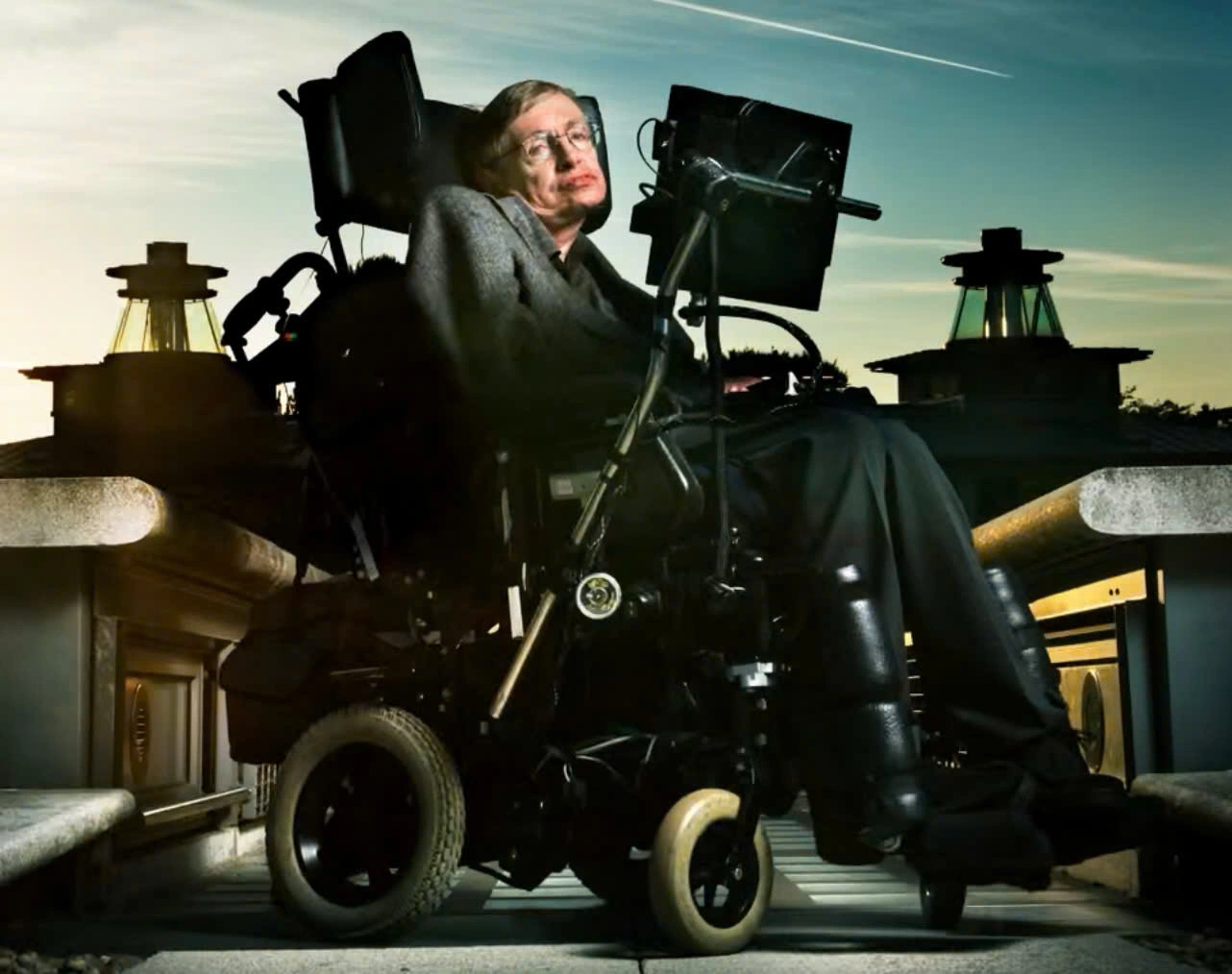 |
Physicist Stephen Hawking in 2005. *Photo: Murdo Macleod/Guardian* |
According to Farmelo, many believed Hawking's work deserved a Nobel Prize, even comparing him to Einstein. While most professional colleagues spoke of him with respect and affection, his closest associates revealed other aspects of his personality.
His sister, Mary, called him "one of the most self-centered people I have ever met." The physicist's foster brother, Edward, admitted: "I never really felt close to Stephen... he seemed very cold."
At Oxford, some friends found him quite lazy, while at Cambridge he was "annoyingly arrogant." His marriage to his first wife, Jane, was constantly strained, and her sacrifices often went unacknowledged by him.
The book also notes that Hawking was known for not crediting the scientific contributions of others, exemplified by his failure to mention Penrose's achievements. Some colleagues believed Hawking's presentations "were all about himself." Author Farmelo suspects they rarely complained because "such comments would be seen as malicious."
During the writing of the biography, Graham Farmelo received support from Hawking's children, Lucy, Robert, and Tim, who provided exclusive access to personal files and documents. Through interviews with family, friends, close colleagues, and hundreds of previously unpublished diaries from Hawking's parents, Farmelo was able to paint what is considered "the most detailed picture to date of the crucial years that shaped a great scientist." Through this, readers gain further insight into Stephen Hawking's personality, especially his extraordinary will. "Writing this book has been the greatest privilege of my life," Graham Farmelo said.
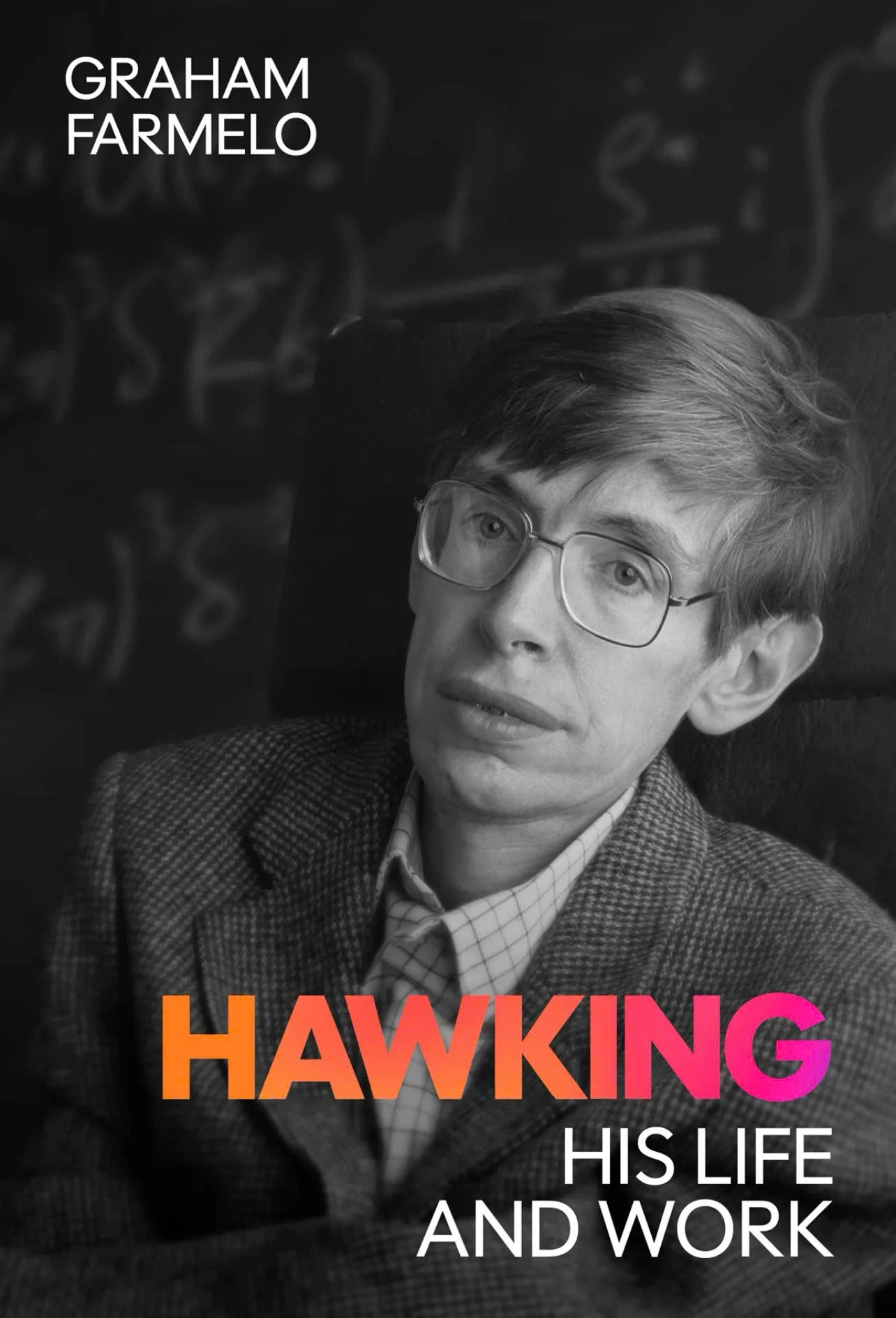 |
Cover of 'Hawking: His Life and Work'. *Photo: Penguin Random House* |
Stephen Hawking (1942-2018) was a theoretical physicist and cosmologist who taught Mathematics at Cambridge University, England, for 30 years. At 21, he was diagnosed with amyotrophic lateral sclerosis (Lou Gehrig's disease), a condition that destroys the body's nerve cell system, and was initially given only two years to live. However, the form of the disease Hawking had progressed slower than usual, allowing him to live for more than half a century.
In 2013, Hawking received the Breakthrough Prize for his discovery of black hole radiation and contributed numerous studies on early quantum cosmology. He had an extensive writing career. In 1988, the author released *A Brief History of Time*, which has been reprinted multiple times worldwide. His other books include: *A Briefer History of Time* (1988), *Black Holes and Baby Universes and Other Essays* (1993), *The Universe in a Nutshell* (2001), *On The Shoulders of Giants* (2002), and *The Grand Design* (2010).
In September 2020, Hawking's final book was released, comprising his notes, interviews, and lectures from over many years, compiled and edited posthumously by his family and friends.
By Phuong Linh (Source: Guardian, People, The Week)