


It is true that animal offal often contains saturated fat, which can contribute to high cholesterol and cardiovascular diseases, so consumption should be limited. However, fish organs have distinct characteristics. Among them, fish liver and roe are considered two highly nutritious parts with low toxicity. Notably, the liver of certain species, such as loach and stingray, is known for its rich, buttery taste and is regarded as a rare delicacy by many gourmets. Fish roe is also an abundant source of healthy fats, particularly omega-3. This active compound has been shown to prevent cardiovascular disease, stroke, support treatment for rheumatoid arthritis, depression, and help improve women's skin.
Conversely, other parts like the heart, swim bladder, and especially fish intestines, carry several risks. While fish intestines are often praised for their rich and savory taste, they are the dirtiest part, containing many impurities. If fish live in polluted environments, their intestines can accumulate heavy metals and toxins, posing a danger to young children, the elderly, or individuals with compromised immune systems. Furthermore, fish bile should never be consumed. Many mistakenly believe fish bile offers detoxification or nutritional benefits, but in reality, this organ contains dangerous toxins. Even a small amount can cause acute poisoning, liver and kidney failure, and even be life-threatening.
In summary, to maximize nutritional benefits and ensure safety, carefully select the type of fish organs you consume. Prioritize liver and roe, and always discard intestines and bile. Most importantly, consumers must choose fish from clean sources, cook them thoroughly, and eat in moderation. Absolutely avoid raw or undercooked preparations to prevent parasitic infections.
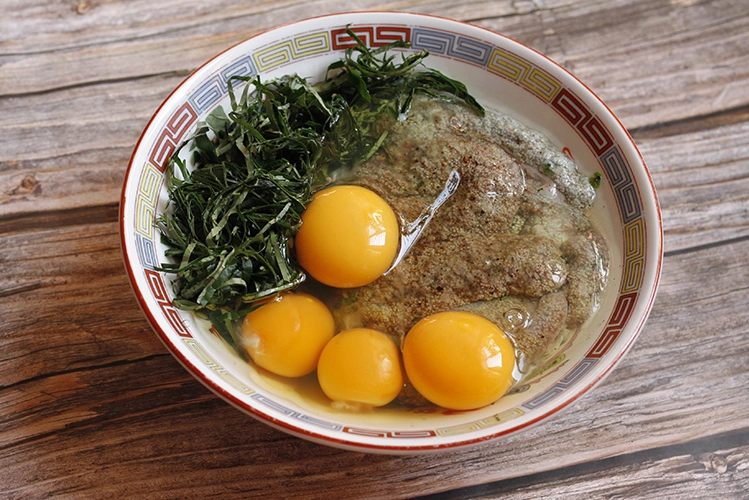 |
Fish roe is rich in omega-3, beneficial for health. Photo: Bui Thuy |
Fish roe is rich in omega-3, beneficial for health. Photo: Bui Thuy
Associate Professor Dr. Nguyen Duy Thinh
Former lecturer, Institute of Biotechnology and Food Technology, Hanoi University of Science and Technology


