


On 12/1, the Ministry of Health announced that 2025 recorded over 190,000 dengue fever cases, a 28,4% increase from the previous year. Hand, foot, and mouth disease also rose by nearly 29%, reaching over 107,000 cases. Although both diseases are currently showing a downward trend, some areas continue to report numerous patients in severe or critical condition. These cases present significant treatment challenges, incur high costs, and risk long-term sequelae. A primary factor contributing to this severity is often delayed hospital admission due to patient complacency, leading to advanced-stage illness and increased complication risks.
The Ministry of Health attributes the surge in dengue fever to shifting weather patterns and urbanization, which foster numerous mosquito breeding sites in residential areas, construction zones, boarding houses, and production facilities. Local epidemic prevention efforts have also been insufficient. Regarding hand, foot, and mouth disease, the rise in cases is linked to inadequate personal hygiene, poor environmental sanitation, and insufficient surface disinfection, alongside low community awareness of preventive measures.
Both dengue fever and hand, foot, and mouth disease are entirely preventable. Consequently, the Ministry of Health recommends that the public actively implement preventive measures.
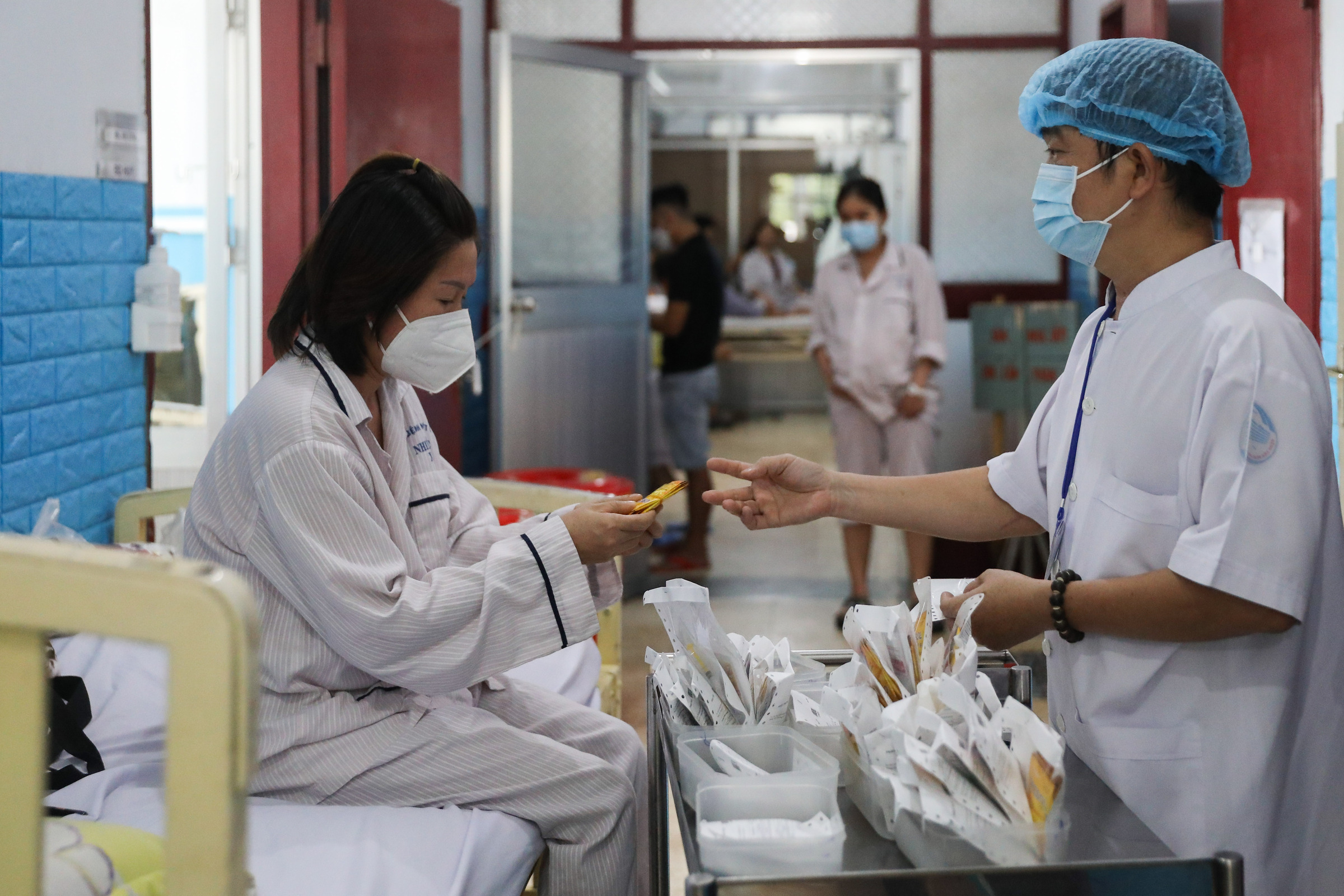 |
Patients receiving dengue fever treatment at the Hospital for Tropical Diseases, TP HCM. Photo: Quynh Tran |
Patients receiving dengue fever treatment at the Hospital for Tropical Diseases, TP HCM. Photo: Quynh Tran
To prevent dengue fever, it is crucial to cover or empty water-holding containers to stop mosquitoes from laying eggs and to eliminate larvae weekly. People should sleep under mosquito nets and wear long-sleeved clothing to prevent mosquito bites, even during the day. If a fever develops, seek medical examination at a healthcare facility immediately; do not self-treat at home.
Hand, foot, and mouth disease can be prevented by diligently practicing the "three cleans": ensuring clean food and drink, maintaining a clean living environment, and thorough hand hygiene. Children should not share napkins, handkerchiefs, or eating utensils such as cups, bowls, plates, or spoons. Since the virus can persist on surfaces within living spaces, it is essential to regularly clean everyday contact items like toys, school supplies, door handles, stair railings, tabletops, and floors using soap or standard detergents.
If a child develops a fever accompanied by blisters on the palms, soles, or inside the mouth, they must be taken to a healthcare facility. Children with the disease should stay home from school and avoid contact with other children. It is important not to break the blisters to prevent secondary infection and further spread of the illness. Encourage limited physical activity, provide enhanced nutrition, and offer soft, liquid foods such as porridge and soup.
Dengue fever is an acute infectious disease caused by the dengue virus, transmitted from infected individuals to healthy ones through the Aedes mosquito. Hand, foot, and mouth disease is an infectious illness spread person-to-person via the digestive tract and direct contact, often causing outbreaks, and is caused by various Enteroviruses. Both diseases are endemic in Vietnam, with high rates of infection, and can progress severely, potentially leading to fatalities if not detected and treated in a timely manner.
Le Nga


