The demand for aesthetic rejuvenation among women in their 60s and 70s is increasing as life expectancy and quality of life improve. However, bodies at this age undergo many changes, requiring more thorough safety assessments than for younger individuals. Recently, a 65-year-old woman died at a hospital in Ho Chi Minh City after two surgeries within four days, which included breast lift with augmentation, liposuction of the abdomen, flanks, and waist, and abdominoplasty.
Doctor Nguyen Phan Tu Dung, Medical Director of JW Korean Hospital, states that being 60 years old is not a contraindication for cosmetic surgery. The decision for intervention primarily depends on the patient's health and the type of surgery.
Individuals in their 40s or 50s with complex underlying health conditions or issues related to general or local anesthesia may still not be candidates for surgery. Conversely, a healthy 70-year-old with only excess eyelid fat, drooping eyebrows, or facial aging can still undergo surgery. For those over 80, major surgeries and extensive interventions should be limited unless absolutely necessary.
 |
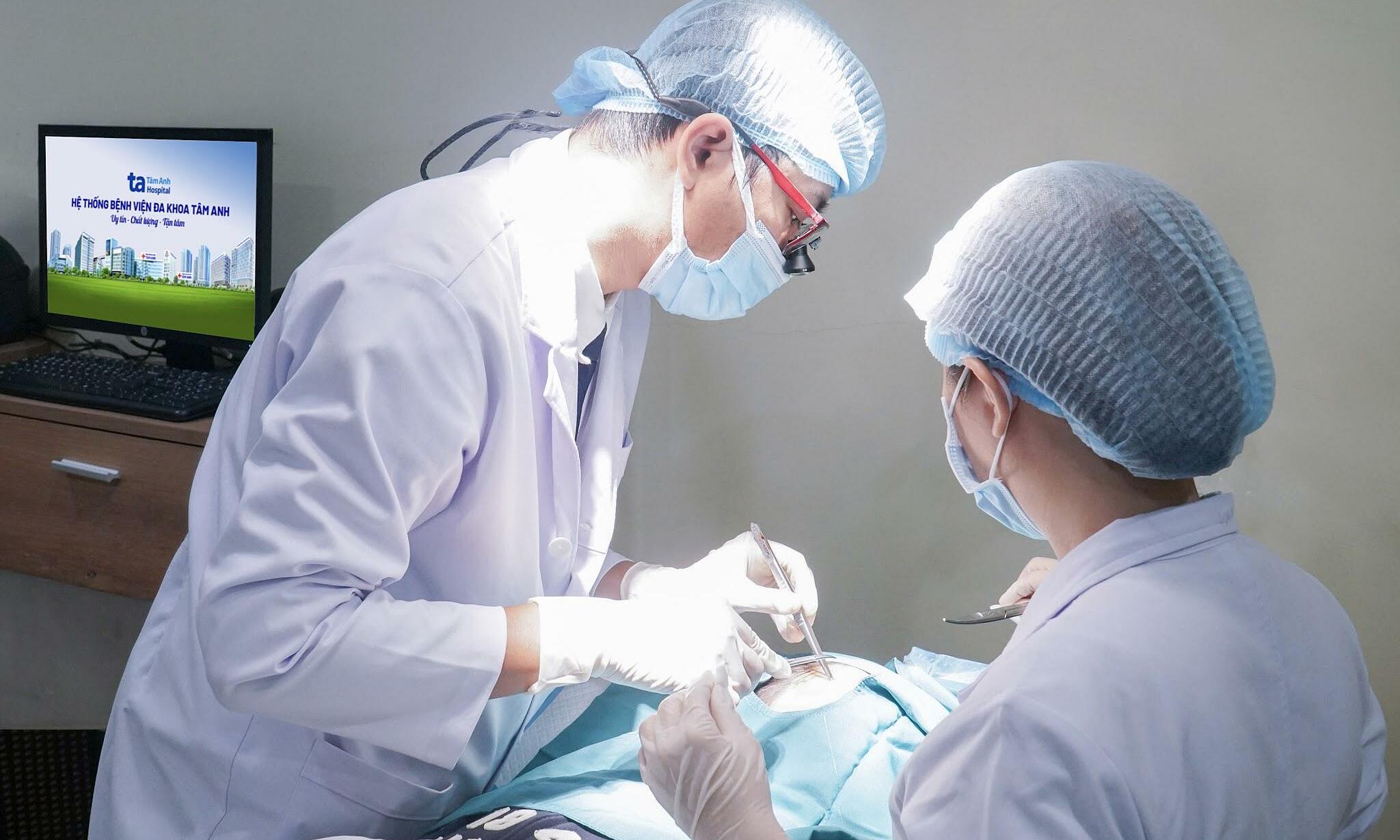
Doctor Tu Dung performing surgery on an older patient. Photo: Hospital provided |
Avoid combining multiple surgeries under a single anesthesia
According to Doctor Dung, combining multiple surgeries must be based on the type of intervention, the form of local or general anesthesia, the total duration, and the patient's health. Three minor procedures, such as removing excess skin and fat from the upper and lower eyelids and eyebrow lifting, each lasting about one hour, can be considered for simultaneous execution if local anesthesia is used and the patient meets the conditions. Conversely, if all surgeries require general anesthesia and last many hours, especially for older individuals, attempting them all at once should be avoided.
The doctor gives an example of a 70-year-old undergoing a tummy tuck for about four hours, simultaneously with an eyebrow lift and removal of excess skin and fat from the lower eyelids. The total anesthesia time could be 6-7 hours. The approach of "one anesthesia for everything" is not necessarily beneficial and can even increase the burden on the body.
Doctor Nguyen Thanh Tuan, Head of the Aesthetic Department at An Sinh General Hospital, also advises against arbitrarily combining major surgeries such as liposuction, abdominoplasty, breast augmentation, or facelifts. After one general anesthesia, the body needs time to recover before undergoing the next operation. At An Sinh, a minimum interval of 3-4 weeks is usually considered, but this is not rigidly applied; some cases may require waiting one to two months or longer.
Underlying health conditions are a critical factor
Before surgery, individuals over 60 need a thorough medical history taken, a general check-up, and evaluation of cardiovascular health, diabetes, liver and kidney function, and other systemic diseases. Doctor Dung suggests particular caution for those with severe diabetes, myocardial ischemia, especially if stents have been placed; impaired liver function, kidney failure, or systemic diseases like lupus.
Doctor Tuan notes the medications older patients are currently taking, especially anticoagulants to prevent stroke risk. If this information is overlooked and not managed appropriately before surgery, patients may face the risk of uncontrollable bleeding.
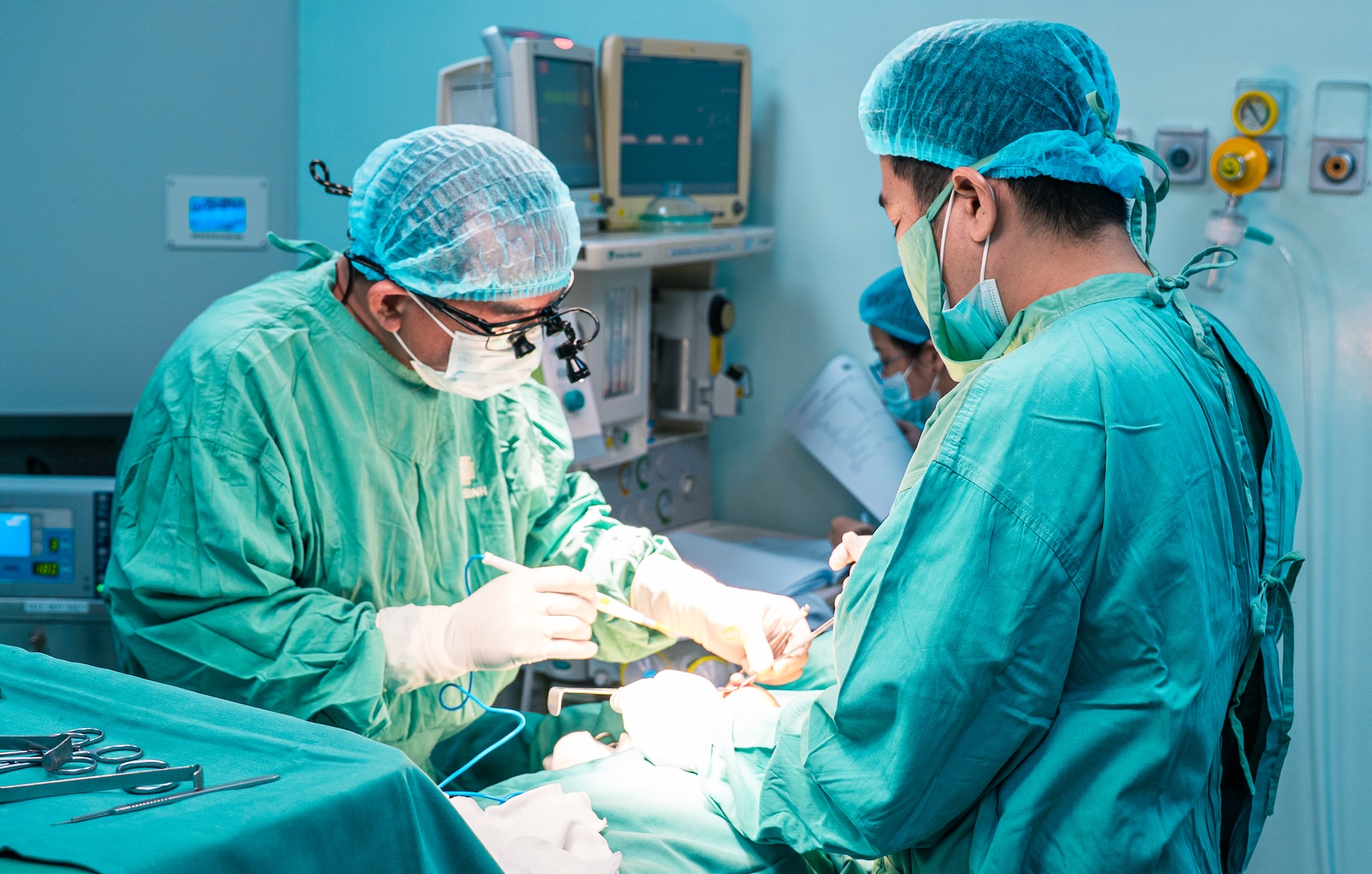 |
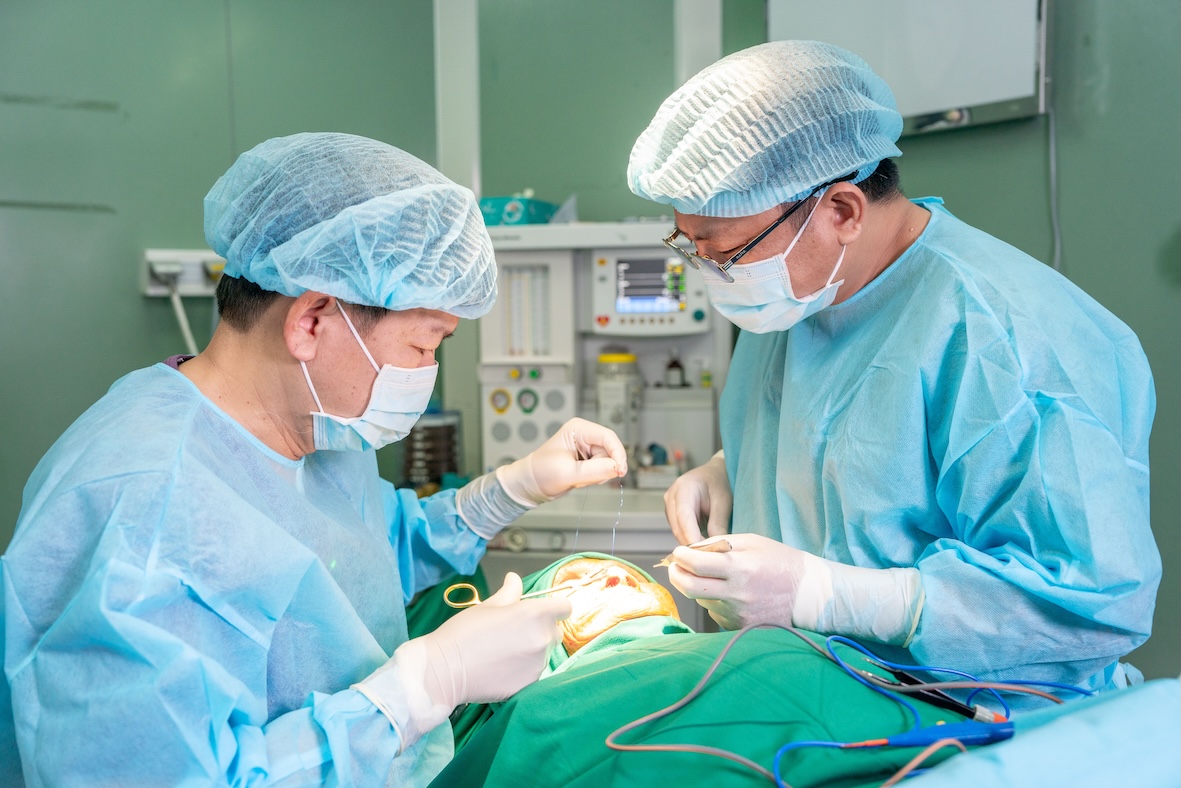
Cosmetic surgery at An Sinh General Hospital. Photo: Hospital provided |
Diabetes can also delay wound healing, while uncontrolled hypertension increases risks during and after surgery. Older individuals also typically recover physical strength and heal wounds more slowly. Beyond underlying conditions, surgical duration, blood loss, tissue damage, surgical technique, and anesthesia recovery all impact the ability to recuperate.
Individuals not meeting health requirements may consider less invasive methods such as laser, ultrasound, radiofrequency, or certain injection techniques, depending on the case. Doctors advise that regardless of the chosen method, older patients still need a health assessment before proceeding, considering the facility, surgeon, technique, anesthesia plan, and post-operative monitoring.
Le Phuong