The draft amendment to Decision No. 22/2023, on credit for individuals who have completed prison sentences, is currently open for public comment until 14/6.
This proposal from the Ministry of Public Security aims to address a significant demand among ex-offenders for overseas employment, a purpose not covered by current loan schemes. Over two years since the decision's implementation, more than 1,230 billion dong has been disbursed to over 14,400 individuals, helping them rehabilitate and sustainably reintegrate into society. However, practical implementation revealed limitations as loans were only available for vocational training or business production, without provisions for working abroad.
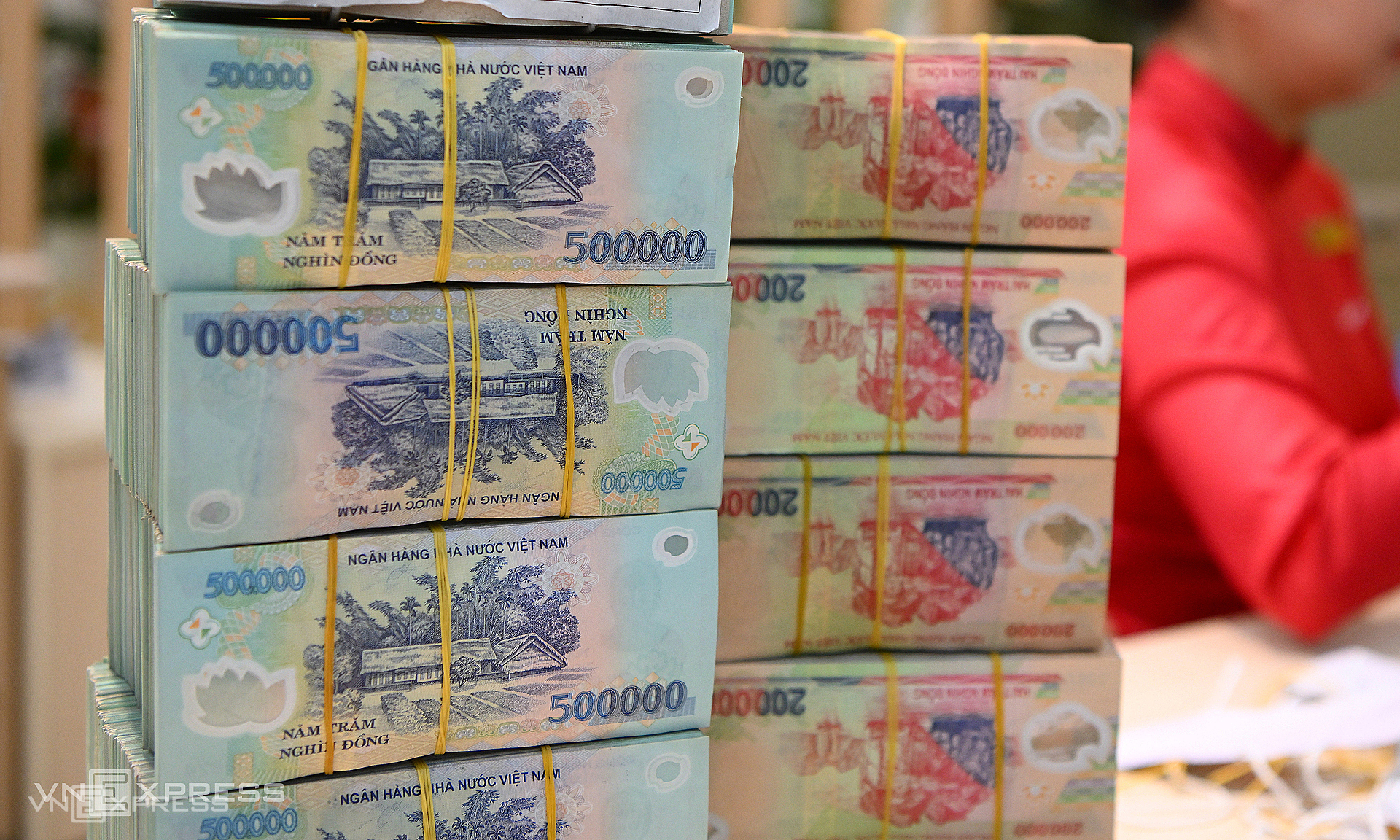
Therefore, the Ministry of Public Security added this provision to the draft, designing a flexible mechanism for borrowers. Loan funds will cover expenses specified in overseas employment contracts, signed between the borrower and state-licensed service enterprises or public non-business units. The most notable point is that the maximum loan amount can cover 100% of the total costs workers must pay before commencing employment. The maximum loan term will match the duration of the labor contract, excluding any contract extensions.
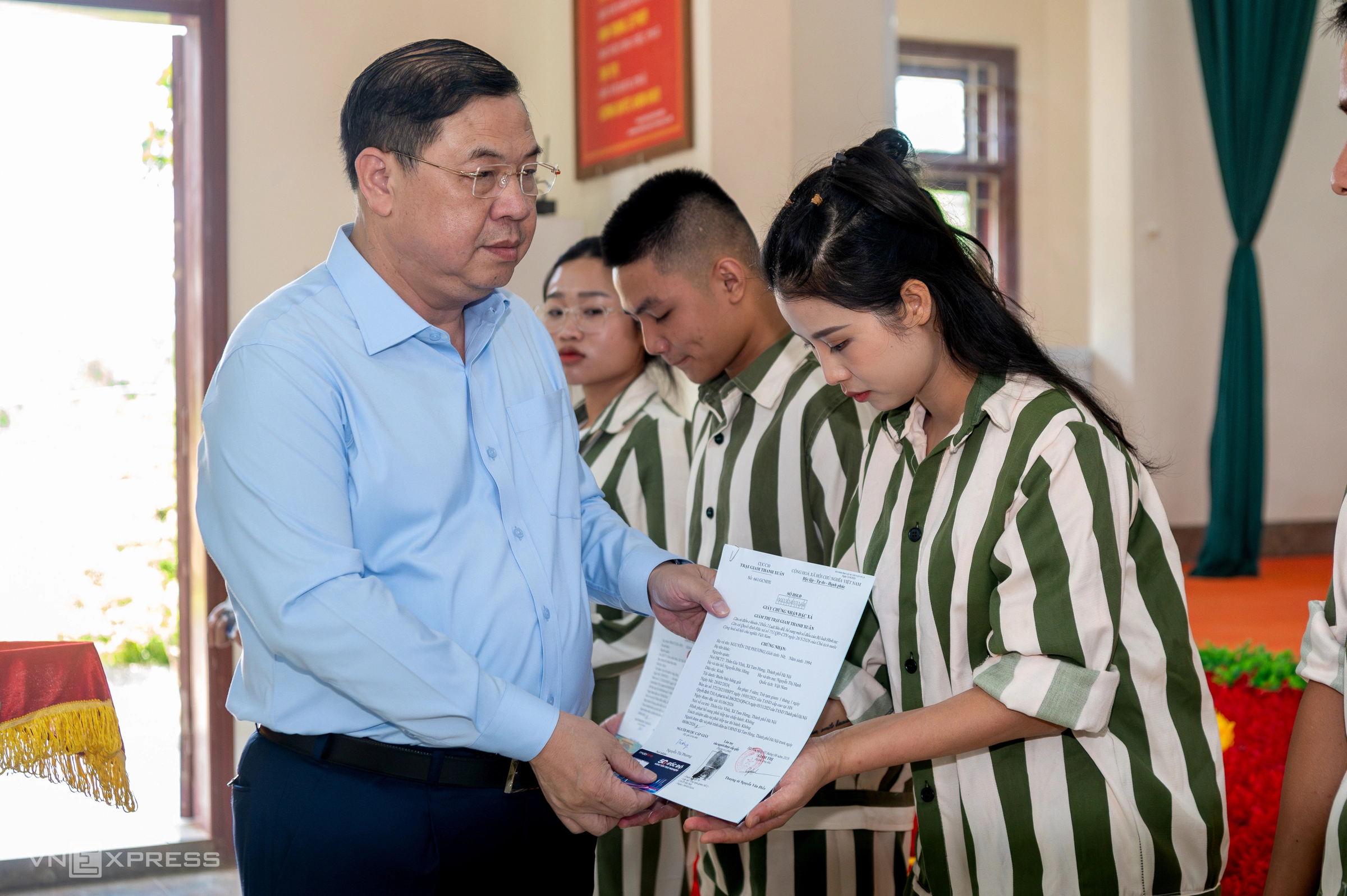 |
Permanent Deputy Prime Minister Pham Gia Tuc presents a pardon certificate to an inmate at the pardon announcement ceremony at Thanh Xuan prison, on the morning of 1/6. Photo: The Bang
Borrowing up to 200 million dong without collateral
According to the draft, individuals who have completed their prison sentences, when borrowing for overseas contract employment, will not need to provide loan collateral for amounts up to 200 million dong. For loans exceeding 200 million dong, borrowers will only need to provide collateral for the amount exceeding 200 million dong, as guided by the Vietnam Bank for Social Policies. Under current regulations, only loans under 100 million dong do not require collateral.
Regarding interest rates, the draft proposes applying rates equivalent to those for poor households, as stipulated periodically. If overdue debt occurs, the interest rate will be 130% of the standard lending rate.
Conditions for borrowing for overseas labor export
The conditions for accessing these funds are proposed to be more lenient. Under current regulations, an individual has a maximum of 5 years after release from prison to apply for preferential loans. The draft proposes doubling this period to 10 years, giving ex-offenders more opportunities and time to plan their businesses and submit loan applications.
For example, under current rules, an individual who completed a prison sentence in 2019 could only access these loans until the end of 2024. If they devised a plan to raise livestock or open a workshop and needed a loan in 2025, they would no longer be eligible for this credit program. However, if the proposal is approved, the same individual would meet the time requirements to apply for a loan, as 6 years falls within the proposed 10-year timeframe.
Borrowers must be on a list compiled by communal police and confirmed by the communal People's Committee as having complied with legal regulations and not engaging in social vices. The draft also addresses difficulties for households with outstanding loans at the Vietnam Bank for Social Policies. Accordingly, borrowers may still be considered for funding if the total outstanding debt across similar credit programs does not exceed the stipulated maximum loan amount.
In addition to credit policies for ex-offenders, similar credit policies for individuals who have completed drug rehabilitation have been effective since 1/5. They can borrow up to 200 million dong for business production over 10 years at interest rates comparable to those for poor households. Businesses employing individuals who have completed rehabilitation can borrow up to 2 billion dong.
Hai Thu