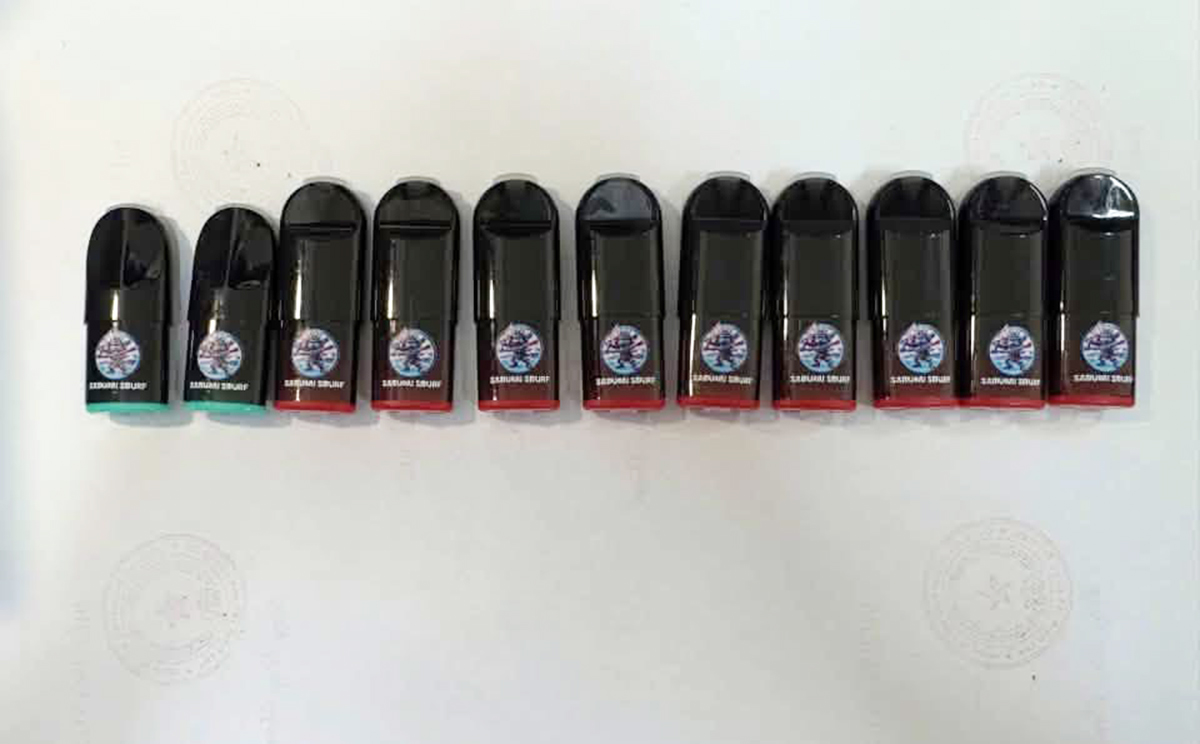
On May 29, the Hanoi People's Court commenced the trial of 16 defendants involved in a bribery and brokerage case within the Private Medical and Pharmaceutical Practice Management Department under the Hanoi Department of Health.
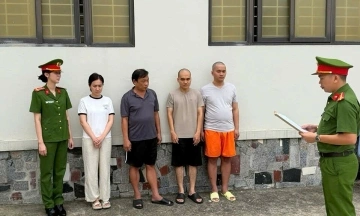
Eight individuals, including former leaders and officials of this department, face charges of receiving bribes. These include Nguyen Van Duc, head of the department; two deputy heads, To Tu Anh and Tran Thi Bach Tuyet; along with five other officials and specialists. Do Doan Tien, a driver for the Department of Health, is also among those indicted.
Two former Hanoi Department of Health employees, Ngo Thi Hong Phuong, an office specialist, and Nguyen Dinh An, an employee of the Drug and Cosmetics Testing Center, along with five other "freelance brokers," are charged with brokerage of bribery.
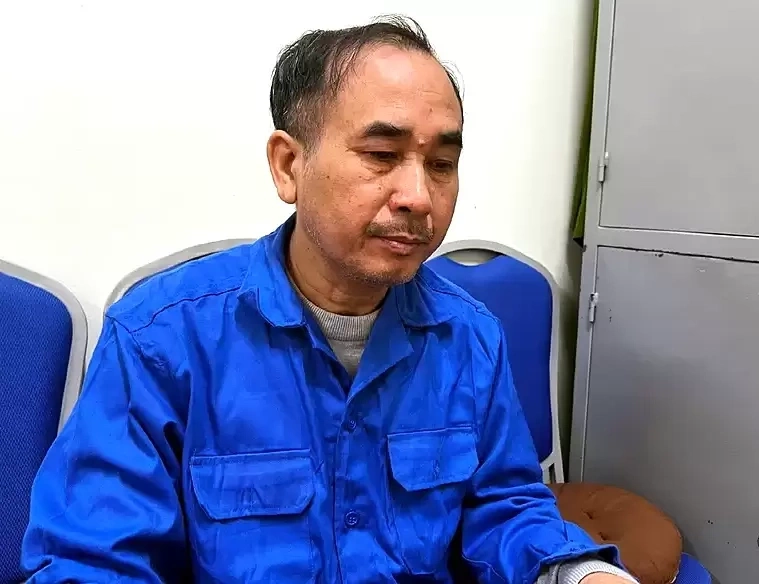 |
Nguyen Van Duc, former head of the Private Medical and Pharmaceutical Practice Management Department under the Hanoi Department of Health. Photo: Police provided
"Buying" medical examination licenses for 70 million dong
The case originated from complaints by businesses and drug retailers in late 2024. Investigations revealed a systemic corruption scheme that ran from 2019 to 2024 within the Private Medical and Pharmaceutical Practice Management Department.
This department held significant power over private pharmacies and medical examination and treatment facilities. It directly advised the Department of Health on managing private medical and pharmaceutical practices, issuing operating licenses, medical examination and treatment permits, and certificates of eligibility for business.
Many facility owners lacking the necessary operating conditions and standards still sought licenses. They actively contacted "brokers" and agreed to pay between 15 and 70 million dong, with the highest amounts for medical examination and treatment operating licenses.
Brokers would connect with department officials to arrange "favorable conditions." They provided guidance on how to address deficiencies, reduced the number of reported violations, or overlooked infractions, ensuring quick license issuance for private medical and pharmaceutical facilities.
This tactic also extended to the pharmaceutical and medical examination and treatment sectors, handled by different groups of officials.
In the pharmaceutical sector, officials accepted money to overlook violations such as: mixing medicines with non-medicinal products, failing to present drug import inspection records, storing medicines in shared living areas, and incomplete drug price listings.
Brokers connected with two department specialists, agreeing to "facilitate" licenses for 15-50 million dong, depending on the type of permit.
The Prosecutor's Office alleges these violations directly undermined state management, allowing substandard businesses to introduce drugs to the market.
In the medical practice management sector, violations primarily involved issuing operating licenses for specialized clinics like dental, maxillofacial, and obstetrics and gynecology facilities.
To obtain new or renewed medical examination and treatment licenses, private facilities paid brokers 35-120 million dong.
Common violations overlooked after payments included: unqualified personnel; clinics lacking separate, enclosed rooms; failure to meet room size standards; substandard medical equipment; and absence of medical equipment purchase records.
79 instances of receiving bribes via a driver
The case also involved complicity from Do Doan Tien, a driver for the appraisal team, and Ngo Thi Hong Phuong, a one-stop-shop employee of the Department of Health.
They acted as intermediaries, receiving money from brokers to transfer to appraisal team members before on-site inspections.
Phuong reportedly received 500,000 to one million dong for each "assistance." She is accused of receiving a total of 180 million dong. Tien proactively kept tens of millions of dong for himself before transferring the rest to the working group.
Department heads and deputy heads, including Duc, Tu Anh, and Tuyet, admitted receiving a total of nearly 1,4 billion dong from "brokers." Deputy head Tu Anh received the most, over 1,3 billion dong, with 79 instances received indirectly through his private driver's account.
The defendants providing brokerage services allegedly received 8,67 billion dong from 686 private medical and pharmaceutical facilities to expedite licenses and connect with officials. They reportedly kept approximately 850 million dong for themselves.
The two most prominent "brokers," Nguyen Thi Bich and Bui Lan Anh, received a total of 5,2 billion dong from 473 facilities. They not only collected money directly but also distributed it to other brokers or directly gave it to Department of Health officials.
"Brokers" like Nguyen Thi Thu Hoai and Nguyen Thi Hai Yen also advised clinics on how to arrange documents and decorate facilities to "cope" with inspections. They also directly prepared envelopes clearly addressed to specific officials.
The entire process, from receiving applications at the one-stop-shop to appraisal and approval, was transformed by brokers and officials into a chain of illegal fee-based services.
Two former department heads not prosecuted for "unawareness and no personal gain"
The Prosecutor's Office determined that two former department heads from an earlier period claimed they were unaware of and received no reports about officials receiving envelopes during the process of issuing licenses and certificates to private medical and pharmaceutical facilities.
These two individuals also asserted they received no money or material benefits. In their role as inspection team leaders, they did not create difficulties, demand favors, or request gifts from facilities to overlook violations.
They testified that facilities did not offer money or material benefits to the team. They were unaware of how appraisal team members received money from facilities after inspections, and no one reported it to them. Therefore, the investigative agency decided not to prosecute these two former department heads.
Thirty officials from coordinating units, such as the Testing Center or district health departments, received "thank you" envelopes. However, due to their subordinate roles, lack of decision-making authority, and the small amounts received, authorities decided not to pursue criminal charges.
Similarly, pharmacy and clinic owners, despite being the ones who paid the money, were deemed to have acted passively, feeling compelled to pay to avoid difficulties or repeated rejections of their applications. Their active cooperation in reporting also led to the decision not to pursue criminal charges against them.
Thanh Lam