European football federations are increasingly concerned about potential financial losses at the upcoming World Cup 2026, primarily due to escalating costs and disparities in tax exemption agreements. This issue was jointly raised by about 10 national federations at the UEFA annual congress held in Brussels, Belgium, two weeks ago. The matter was also informally presented to senior FIFA leaders, with one anonymous executive from a UEFA member federation noting that some FIFA officials appeared "embarrassed" by the situation.
In 12/2025, FIFA approved a record prize fund of 730 million USD for World Cup 2026. However, this amount is reportedly insufficient to offset expenses or prevent a decline in profits for national teams, which view the World Cup as a crucial revenue source for their operations. Each qualified national team will receive 9 million USD from FIFA along with 1,5 million USD for preparation. While these figures are comparable to World Cup 2022 in Qatar, the daily allowance for each delegation member has been reduced from 850 USD to 600 USD. One federation estimates a deficit of about 500.000 USD if their team remains for a full month at World Cup 2026, which is the largest event with 48 teams and the longest in history with 104 matches.
An investigation by the British newspaper Guardian and the British news agency PA Media revealed these widespread concerns. Some federations calculate that profits from the tournament in the United States, Canada, and Mexico will be significantly lower than those from Qatar. A federation that regularly participates in major tournaments told Guardian that they would even incur substantial losses if their team is eliminated in the group stage or the first knockout round.
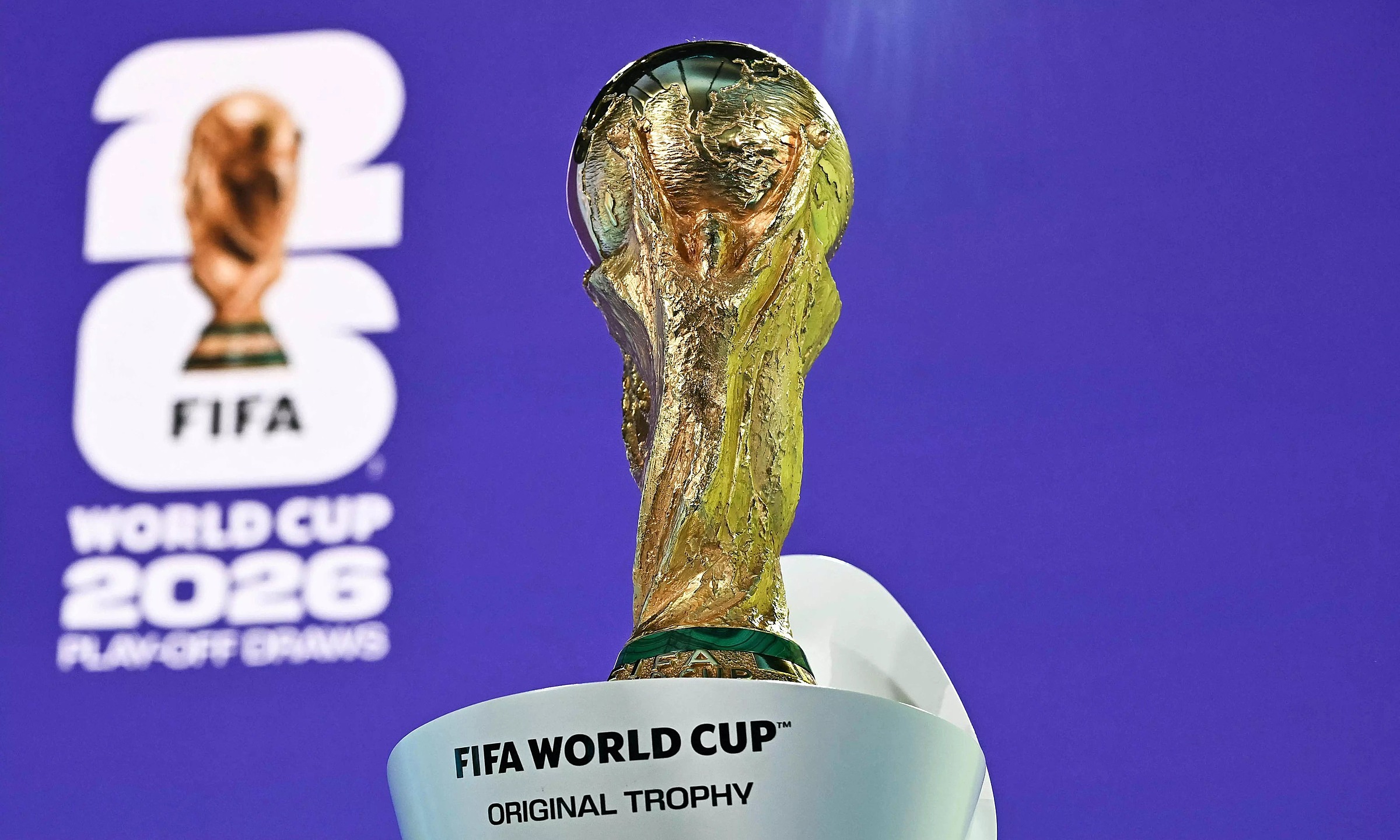 |
World Cup 2026 is the largest edition with 48 participating teams. *Photo: AFP*
The most frustrating point for many federations is the unfairness in tax agreements. World Cup host nations are obligated to provide tax exemption regulations for participating federations. However, while Canada and Mexico have agreed to these terms, the United States has not yet reached a similar agreement. This means that the financial outlook for nations will differ significantly depending on where they are drawn to play.
Tax rates in US states vary widely. In California, where Los Angeles and San Francisco will host matches, the highest tax rate is up to 13,3%. In New Jersey, site of the final at MetLife Stadium, this figure is 10,75%. Teams based in low-tax states or outside US territory will have a financial advantage unless a general agreement is reached in the next three and a half months. In this context, federations are also disappointed at having to seek their own tax advice instead of receiving specific support from FIFA.
Other factors driving up costs include the need for constant travel between venues, unfavorable exchange rates against the USD, rising ticket prices, and the extended duration of the tournament. In Qatar, the time difference between the opening match and the final was four weeks, whereas in World Cup 2026, the 28-day mark will only be the start of the quarterfinals.
Some acknowledge that federations are responsible for player bonus structures, which will undoubtedly be a significant expense. However, they emphasize that a bonus package lower than what was committed in Qatar is unacceptable. Another aspect of risk mitigation discussed is the long-term benefit of accessing the vast North American market.
FIFA has not yet officially commented on this issue.
*Hoang Thong (according to Guardian)*