 |
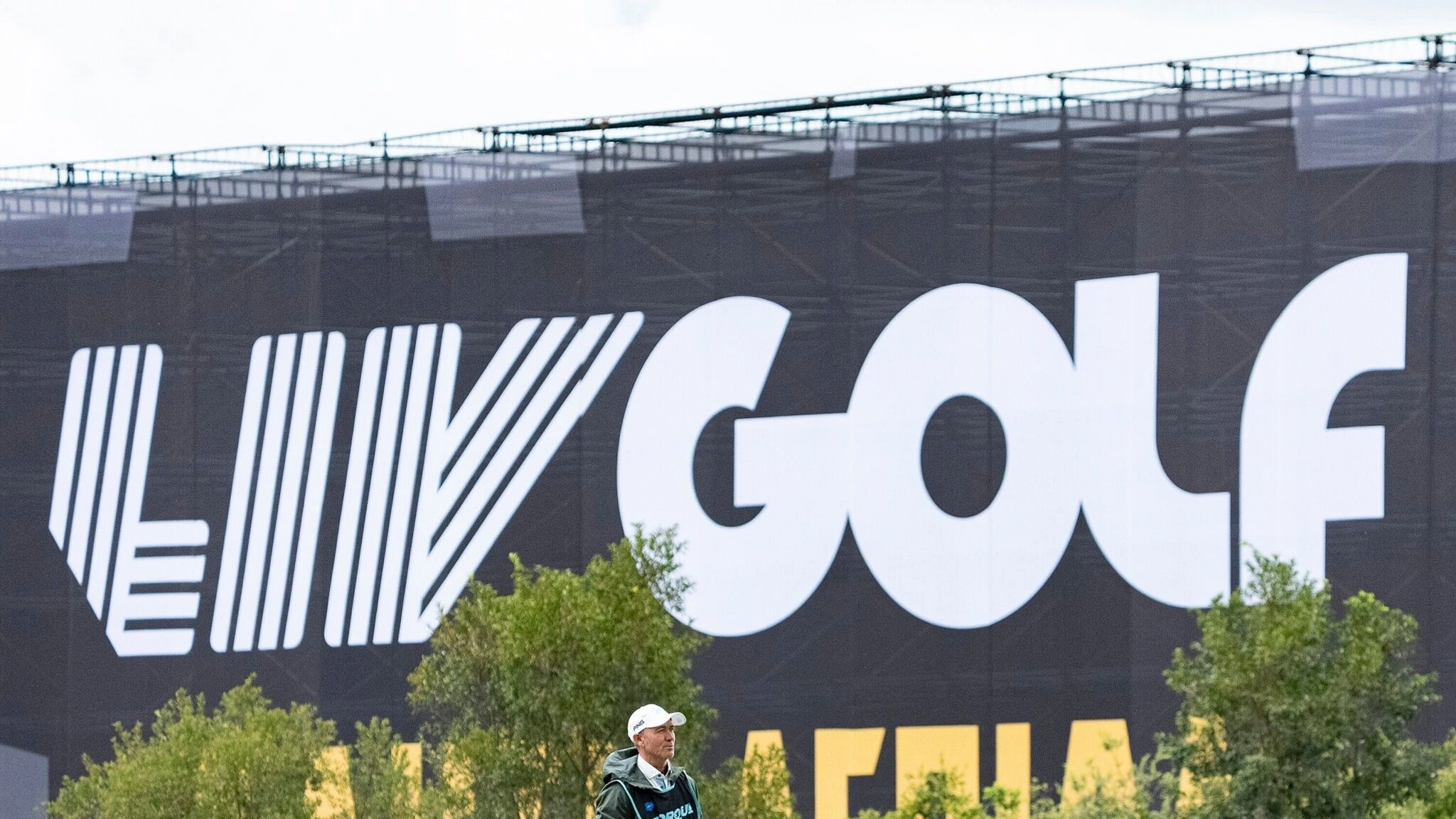
Despite spending over 5 billion USD to challenge the PGA Tour's dominance in golf, LIV Golf is on the verge of collapse. |
Reports that Saudi Arabia might withdraw funding from LIV Golf have spread rapidly, despite reassurances from Danny Townsend, CEO of SURJ, a Riyadh-based sports investment company owned by PIF. On the Money Maze podcast last week, he stated that the nation remains committed to and serious about sports.
"What people will see over the next decade is a sustained commitment to sports, driven by financial returns, social change, and gender equality," Townsend emphasized. "This is not a 10-year plan, but a 50-year commitment to transform the country. Our achievements over the past 10 years will continue to develop and accelerate over the next 40 years, as we have a leadership with a long-term vision."
SURJ's mission, and Townsend's, is closely tied to the national sports strategy, which prioritizes 20 sports in Saudi Arabia. However, it is difficult to convince others when one is both a primary, long-term investor and simultaneously preparing to withdraw from their largest, most high-profile project.
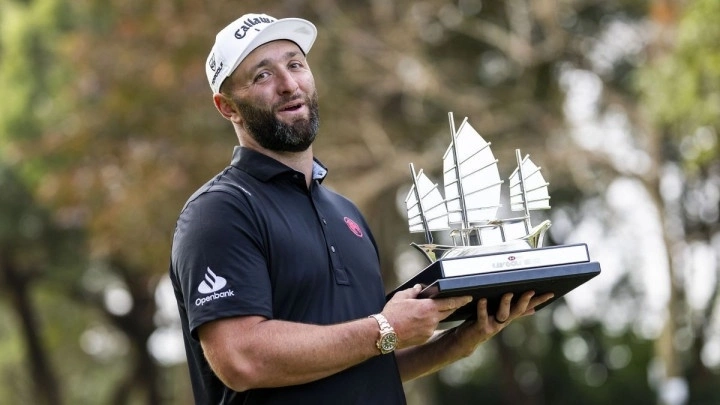 |
Former world number one golfer Jon Rahm celebrates his LIV Golf title in Hong Kong (China) in March 2026. Photo: Reuters |
Currently, LIV Golf has not officially "closed down". The system also predates SURJ's establishment, so it is not directly part of the company's investment portfolio. However, SURJ's involvement has been substantial. Therefore, if LIV Golf faces collapse, many have reason to worry about a domino effect.
While many sports might breathe easier if Saudi Arabia stops destabilizing the market with massive funds, boxing and women's tennis are likely concerned.
Boxing is a sport heavily dependent on Saudi Arabian funding. The multi-million dollar fights associated with the Riyadh Season brand may not continue in the future. PIF is clearly demonstrating that it is a professional investor, not a philanthropist. Regardless of how grand the goals of nation-building or societal perception change may be, these objectives remain secondary to a crucial factor: investment returns.
SURJ is re-evaluating its entire investment portfolio. While men's tennis continues to receive funding, women's tennis has been cut. The WTA Finals have been held in Riyadh for the past two years, and this November will conclude the three-year contract. The WTA wishes to extend, but Saudi Arabia does not.
This is more than just three years of hosting a tennis event. During those three years, top women's tennis players came to Saudi Arabia to compete and spoke positively about the location. It is fair to say that for three years, the nation used money to legitimately "rebrand" its image. However, it is difficult to call this a long-term strategy for societal change.
The WTA Finals were held in a 3,500-seat university arena, which at times was only half full. This setting does not resemble a grand investment campaign for a lofty goal.
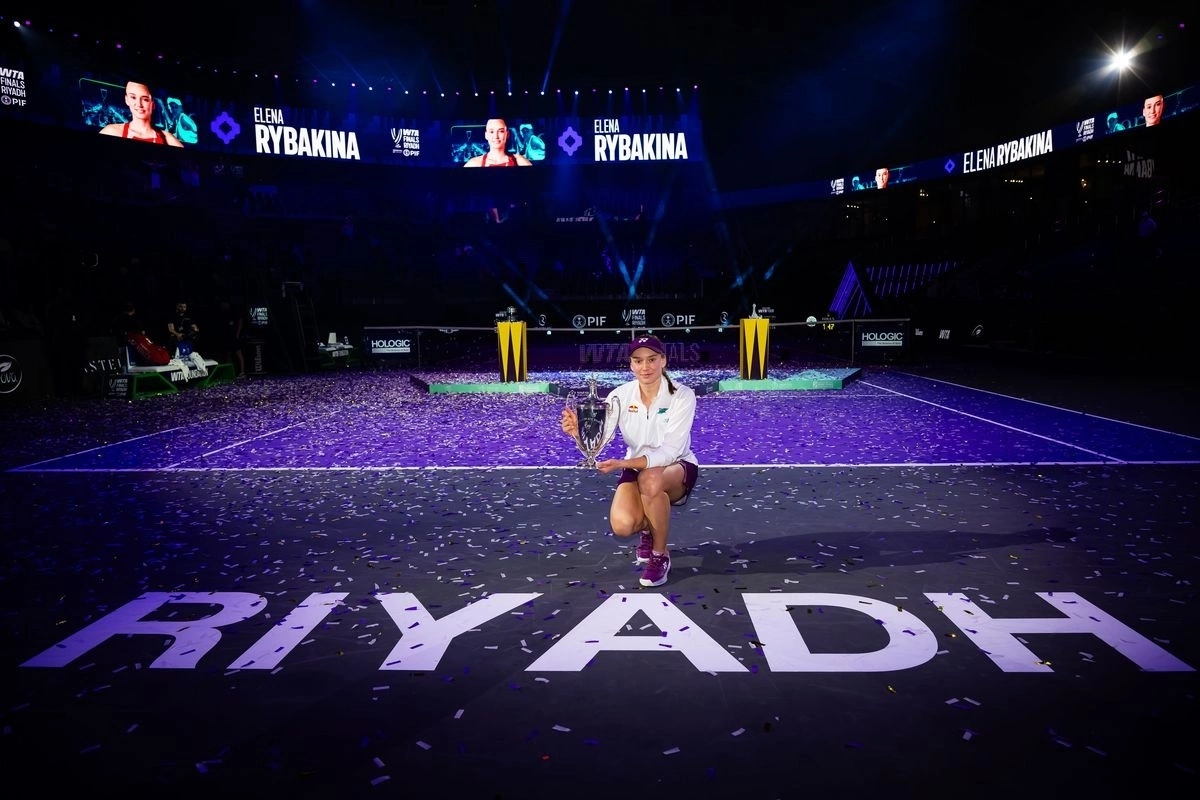 |
World number two women's tennis player Elena Rybakina celebrates her WTA Finals title with a record 5,23 million USD prize money at King Saud University, Riyadh, Saudi Arabia on 8/11. Photo: Reuters |
Recently, The Athletic reported that recovering the investment, approximately 25 million USD annually, is almost impossible. This leads to a clear conclusion: profitability is more important than creating value and meaning from sports events.
However, no investment more clearly exemplifies throwing money out the window than LIV Golf. To date, the system's losses have exceeded 1.4 billion USD. Even insiders admit they will not be profitable for at least 5 to 10 more years.
One day, LIV Golf will become a classic example of investment failure in business management textbooks. Currently, PIF's account holders face a complex problem: how to withdraw while minimizing damage to legitimacy and credibility?
In football, Saudi owners recently sold some shares in Al Hilal, a top club in the Saudi Pro League. Observers suggest they intend to do the same with Newcastle, another project that has not met expectations.
Last week, PIF announced its next five-year strategy. The core point is that funds will now prioritize the domestic market, with international investments accounting for only 20%. For LIV Golf and the boxing world, this is not a positive sign.
Some experts note that the new plan does not even mention the word "sports". Regardless, the current situation suggests this is likely the end of an era where Saudi billionaires injected unreasonable amounts of money into sports, distorting the market and creating unrealistic valuations for golfers and footballers over 30.
In the podcast, Townsend spoke about Saudi Arabia's 40-year vision for sports. However, according to European media, the "lifespan" of such grand statements may not be long.
By Vy Anh